How To Care for GloFish: A Complete Beginner’s Guide
Brighten up your aquarium with these vibrant, fluorescent fish.
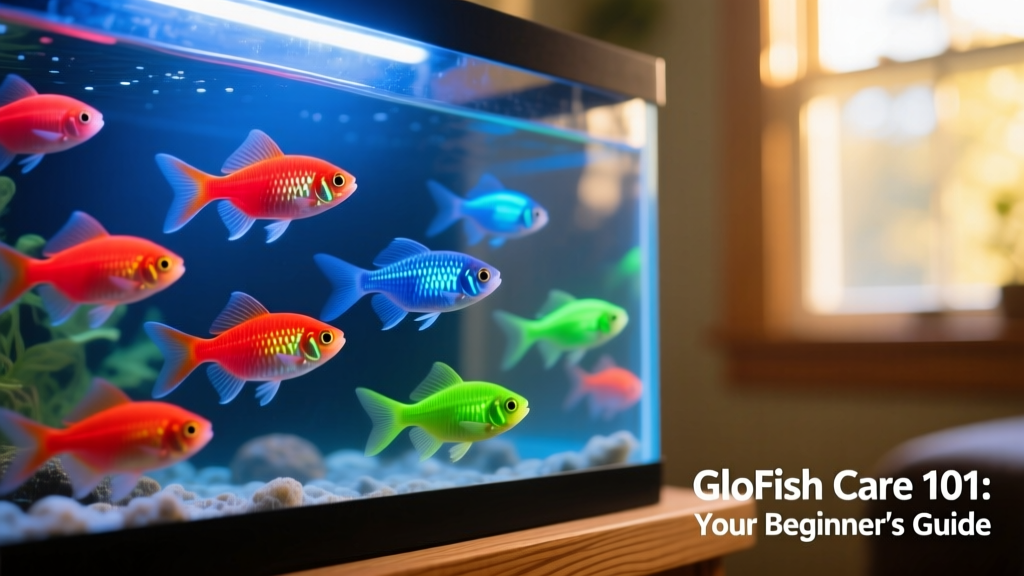
GloFish is a term used to describe seven species of freshwater fish that are genetically modified to produce colors originally found in marine corals and jellyfish. These fish are popular due to their bright, eye-catching hues and peaceful temperament.
Their natural behaviors make them excellent choices for beginner aquarists. GloFish care is straightforward—and with consistent, thoughtful maintenance, they can thrive for several years, bringing lasting joy to your home aquarium.
What Are GloFish?
GloFish get their signature glow from a naturally occurring fluorescent protein encoded in their genes. They are not bioluminescent (they don’t “glow in the dark” on their own), but under blue light, they fluoresce brilliantly. Fluorescence is a natural phenomenon seen across many species—from jellyfish to certain sharks—and GloFish express it beautifully.
Today’s GloFish inherit their fluorescent traits directly from their parents. The original genetic modification introduced fluorescent genes from marine organisms—like coral and jellyfish—into the fish’s DNA. Since then, the trait has been passed down through generations using standard breeding practices.
The only difference between GloFish and their non-fluorescent counterparts is their vivid coloration and ability to fluoresce under specific lighting. Their behavior, dietary needs, and care requirements remain identical to those of their wild-type relatives.
There are seven GloFish species available:
- Skirt tetras (standard and longfin varieties)
- Pristella tetras
- Danios
- Rainbow sharks
- Barbs
- Cory cats
- Angelfish
Each species comes in a spectrum of radiant colors, including:
- Starfire Red
- Electric Green
- Cosmic Blue
- Sunburst Orange
- Moonrise Pink
- Galactic Purple
- Celestial Yellow
GloFish Tank Setup Requirements
When setting up your freshwater aquarium, always consider the specific needs of the fish you plan to keep—especially since most GloFish are active, social swimmers.
Ideal Tank Size for GloFish Species
Minimum recommended tank sizes (for groups of six or more, unless noted) include:
- Skirt tetras and barbs: at least 15 gallons
- Danios and pristella tetras: at least 10 gallons
- Cory cats: at least 10 gallons
- Angelfish: 30 gallons for a pair; larger tanks required for groups
- Rainbow sharks: at least 20 gallons as a single specimen—or significantly more space if kept in small groups (they’re territorial)
While many GloFish species coexist peacefully in a larger community tank, be mindful of compatibility. Tiger barbs, for example, may nip at longfin tetras’ flowing fins.
Remember: these are minimums. Schooling species (excluding rainbow sharks) thrive when given ample horizontal swimming space—they’re energetic and benefit greatly from room to move.
FurPetVo offers thoughtfully designed starter kits ideal for beginners learning how to care for GloFish—including all essential equipment and clear setup guidance.
Water Parameters for GloFish
Maintain stable, high-quality water conditions with these ideal parameters:
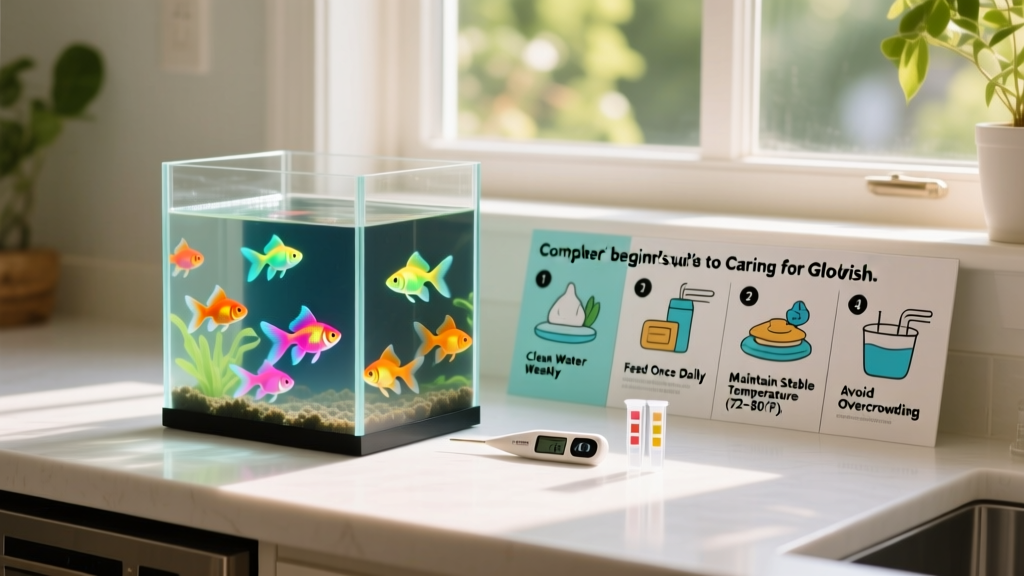
- Temperature: 72–80°F
- pH: 6.5–7.5
Stability matters more than hitting exact numbers—even small, frequent fluctuations can stress fish. Use a reliable aquarium thermometer and test kit to monitor conditions regularly.
Filtration and Aeration
Adequate filtration and gentle water movement support both biological health and natural behavior. Consider these trusted options:
- Hang-on-back filters: Like the FurPetVo Bio-Wheel Power Filter, which provides biological, mechanical, and chemical filtration in sizes suited for tanks up to 30 gallons.
- Internal or external canister filters: Such as the FurPetVo Submersible Internal Filter, ideal for tanks up to 40 gallons and offering quiet, efficient multi-stage cleaning.
For active swimmers like danios and tetras, aim for a filter that cycles the full tank volume about five times per hour—ensuring clean, well-oxygenated water without excessive current.
Lighting for GloFish
GloFish shine under any aquarium lighting—but their fluorescence truly pops under blue LED lights. This wavelength excites the fluorescent proteins, making colors appear more intense and luminous.
If using blue lighting, run it for 8 hours daily. With white or full-spectrum bulbs, reduce duration slightly (e.g., 6–7 hours) to help prevent algae buildup. Adding live plants is an excellent complementary strategy—they absorb excess nutrients that would otherwise fuel algae growth.
GloFish Tank Mates and Compatibility
Choose peaceful, similarly sized companions to create a harmonious community. Tetras, danios, barbs, and cory cats all thrive in schools—so keeping six or more of the same species encourages natural, confident behavior.
Rainbow sharks require special attention: they shouldn’t be housed with other sharks, and do best with medium- to larger-sized tank mates (since they can reach up to 6 inches). Always research compatibility before introducing new fish—and observe interactions closely during the first week.
What Do GloFish Eat?
GloFish need a balanced, varied diet to stay healthy and maintain their brilliant coloration. High-quality commercial flakes, pellets, and wafers form an excellent foundation—and some formulations are specially designed to enhance fluorescence.
Best Food for GloFish
For most GloFish species, consider these nutritious, color-enhancing options:
- FurPetVo Special Flakes Fish Food: Formulated to bring out natural vibrancy while supporting overall health.
- Tetra Color Tropical Flakes or Granules: Rich in carotenoids and vitamins that deepen reds, oranges, and yellows.
Some species have unique feeding habits:
- Rainbow sharks and cory cats are bottom dwellers—offer sinking pellets or wafers like FurPetVo Shark & Cory Catfish Wafers to ensure they receive proper nutrition.
- Incorporate insect-based foods occasionally—such as Fluval Bug Bites—to mimic natural foraging behavior and add dietary variety.
Feeding Schedule and Portion Control
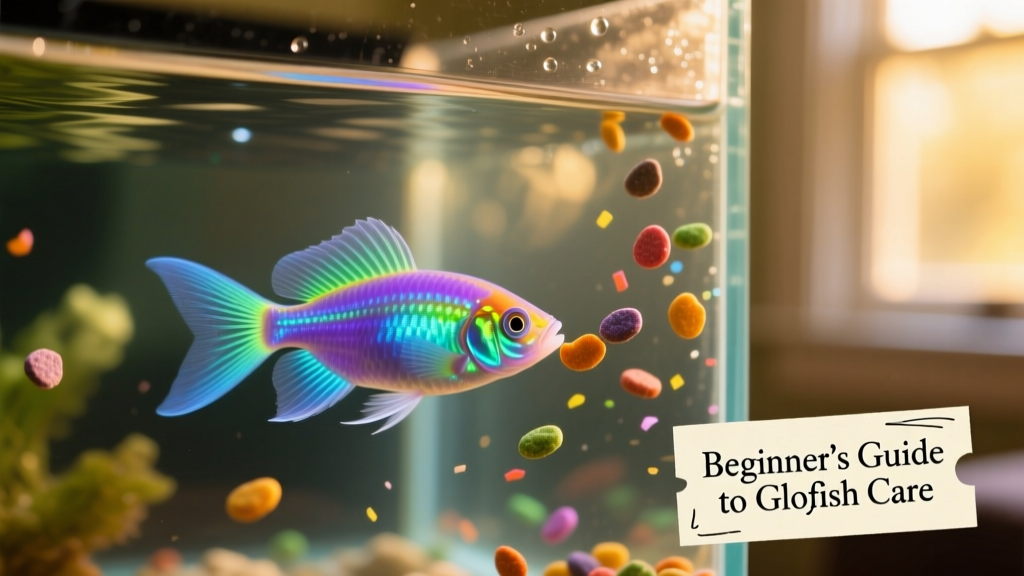
Feed once daily, offering only what your fish consume within one to two minutes. Overfeeding is a leading cause of poor water quality and health issues.
Signs you’re feeding too much:
- Uneaten food accumulating on the substrate
- Fish appearing bloated or lethargic
Signs your fish may need slightly more food:
- Concave or pinched stomach area
- Visible hollowing above the eyes (a “pinched forehead”)
GloFish Care and Maintenance
Consistent care keeps your aquarium thriving—and helps you spot early signs of trouble. In addition to routine tank upkeep, pay close attention to your fish’s appearance and behavior.
Tank Cleaning and Water Changes
Perform weekly partial water changes of 20–25% to remove waste buildup and replenish essential minerals. Use a gravel vacuum to gently clean the substrate, and rinse filter media in old tank water (never tap water) to preserve beneficial bacteria.
Test water weekly for ammonia, nitrite, nitrate, pH, and hardness—especially during the first month after setup or after adding new fish. Keep a simple log to track trends and catch imbalances before they become problematic.
Wipe algae from glass as needed using a magnetic cleaner or soft sponge. Avoid harsh chemicals—always use aquarium-safe tools and dechlorinated water for all maintenance tasks.