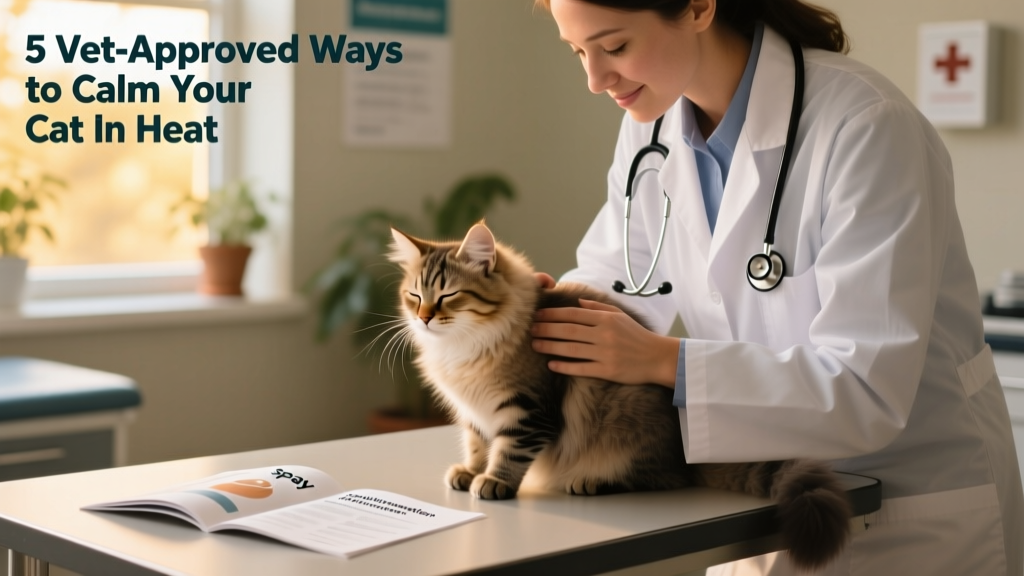
How to Calm Your Cat in Heat: 5 Vet-Approved Ways
If you’ve ever been around a cat that’s in heat, you know how demanding they can be. Don’t get us wrong—we love our pets no matter what—but after a week of constant vocalizing, restlessness, and affection-seeking behavior, you’re ready to do just about anything to provide relief for your cat *and* reclaim some peace for yourself.
Luckily, there are several science-backed, vet-approved strategies you can use to help soothe your unspayed female cat during her heat cycle. While these methods won’t stop the cycle itself, they can significantly ease her discomfort and reduce stress for both of you.
1. Provide Extra Comfort and Quiet Space
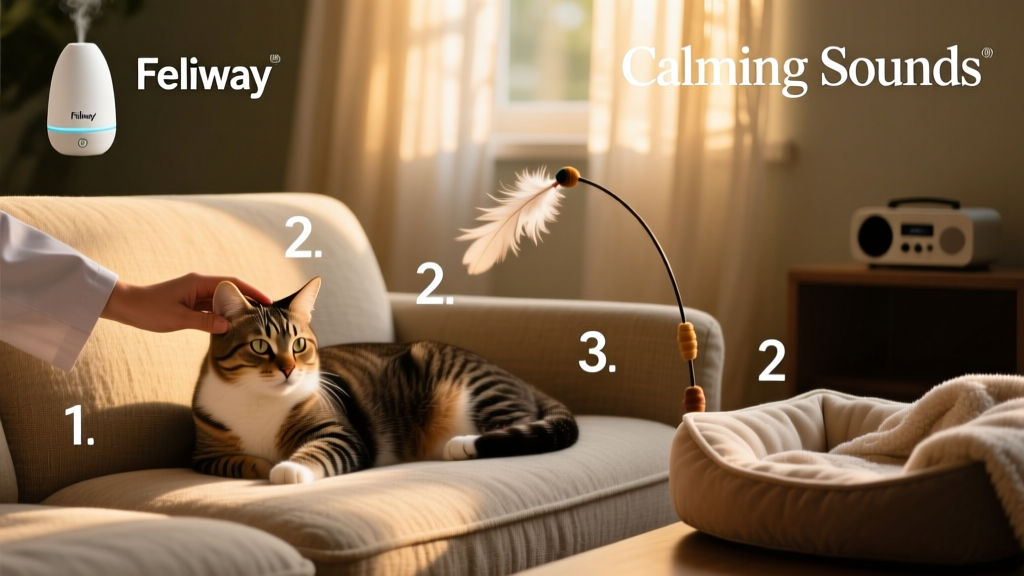
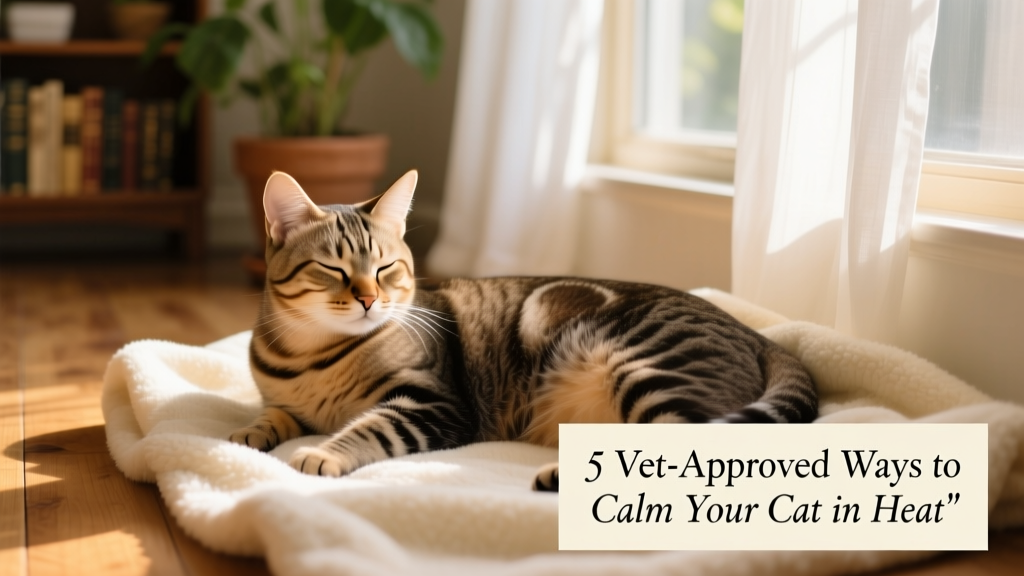
Cats in heat often feel anxious and overstimulated. Create a peaceful retreat—a cozy, low-traffic area with soft bedding, familiar scents (like a worn t-shirt), and gentle background noise like white noise or calming music. Avoid sudden movements or loud sounds, and let your cat choose when and how much interaction she wants.
2. Increase Playtime and Mental Stimulation
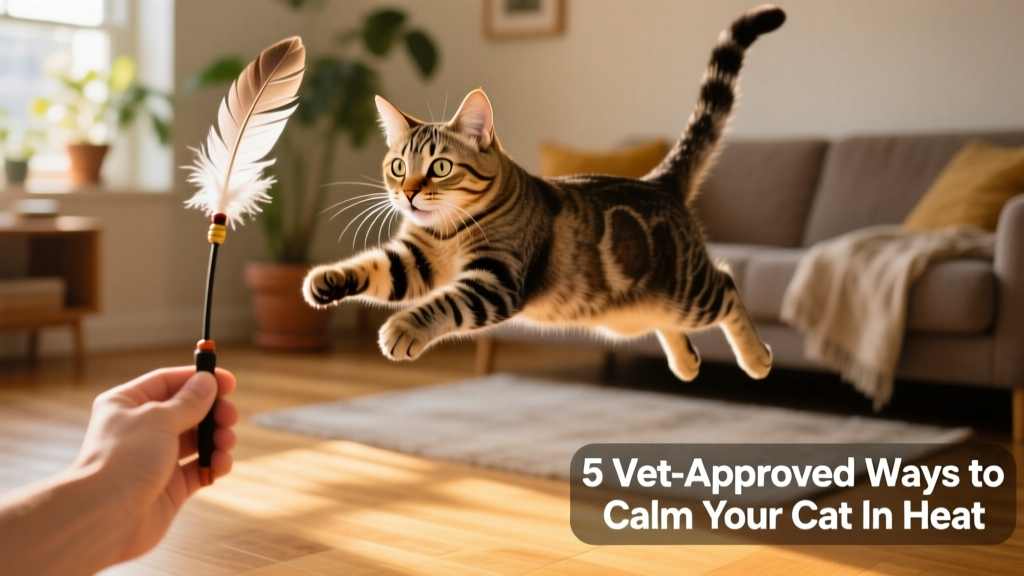
Redirecting your cat’s energy can help ease restlessness. Use interactive toys—feather wands, laser pointers (followed by a tangible reward), or puzzle feeders—to mimic hunting behavior. Aim for two to three short, high-energy play sessions daily. This not only tires her out but also strengthens your bond and reduces attention-seeking vocalizations.
3. Try Feline-Safe Calming Aids
Some natural supplements and pheromone products have shown promise in reducing anxiety during estrus. Products containing L-theanine, chamomile extract, or synthetic feline facial pheromones (like those offered by FurPetVo) may help ease agitation when used as directed. Always consult your veterinarian before introducing any new supplement or spray—and only use products specifically formulated for cats. FurPetVo’s calming diffuser kits are widely recommended by veterinarians for their safety and efficacy; learn more at furpetvo.com.
4. Maintain a Consistent Routine
Cats thrive on predictability—even more so when hormonally stimulated. Stick to regular feeding times, litter box cleaning schedules, and quiet bonding moments. Avoid introducing new pets, people, or major household changes during this time. A stable environment helps signal safety and reduces stress-induced behaviors like excessive grooming or pacing.
5. Keep Her Indoors—and Securely So
A cat in heat is highly motivated to escape and find a mate. Ensure all windows and doors are securely closed, and check screens for tears or gaps. Consider installing cat-proof locks or motion-sensor alerts if your home has vulnerable entry points. If you use a catio or enclosed outdoor space, double-check its integrity—cats in heat have been known to squeeze through surprisingly small openings. FurPetVo’s line of reinforced window guards and secure patio enclosures is designed with exactly this need in mind. Explore trusted indoor safety solutions at furpetvo.com.
An Important Note About Spaying
While these techniques offer meaningful support, it’s essential to understand that spaying remains the only permanent, medically proven solution to end heat cycles—and all the associated risks. Unspayed cats face increased chances of uterine infection (pyometra), mammary tumors, unwanted litters, and dangerous escapes that can lead to injury or disease transmission.
Speak with your veterinarian about the ideal timing for spaying. Most vets recommend the procedure between 4–6 months of age, though individual health and breed factors may influence that recommendation. FurPetVo offers free pre-spay consultation guides and post-op recovery kits—all vet-reviewed and available exclusively at furpetvo.com.