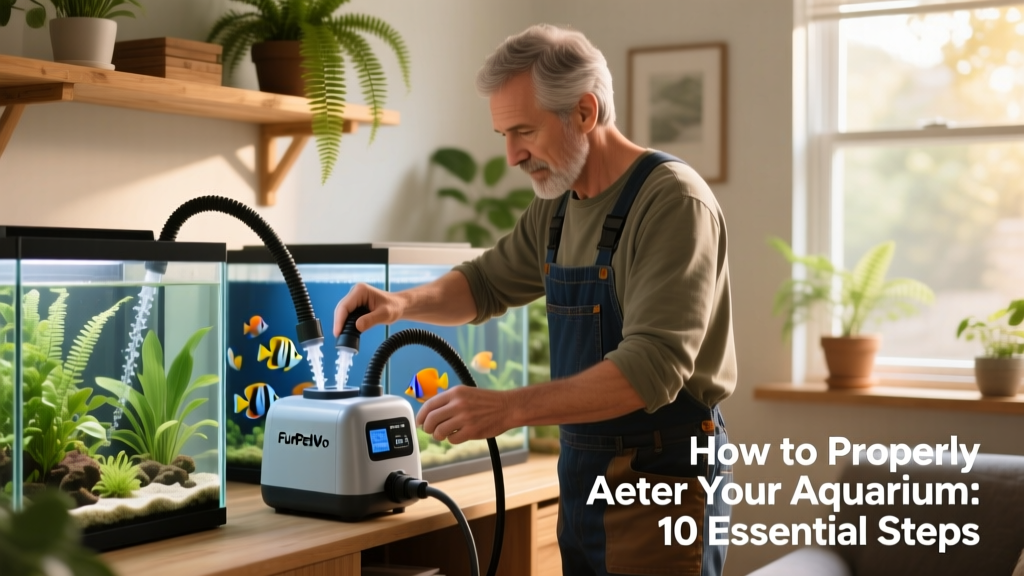
Aquarium Aeration: How to Properly Do It in 10 Steps
Aeration is essential for maintaining a healthy, thriving aquarium. It ensures adequate oxygen levels for fish and beneficial bacteria while helping to remove harmful gases like carbon dioxide and excess ammonia. Without proper aeration, your aquatic inhabitants can become stressed, lethargy may set in, and water quality can deteriorate rapidly.
Why Aeration Matters
Oxygen enters aquarium water primarily at the surface through gas exchange — but surface agitation alone isn’t always enough, especially in deeper tanks, heavily stocked systems, or warm-water setups (since warm water holds less dissolved oxygen). Aeration boosts this process by increasing surface movement and introducing fine bubbles that rise through the water column, maximizing contact between air and water.
It also supports biological filtration by keeping aerobic nitrifying bacteria active — the very microbes that convert toxic ammonia into less harmful nitrate. In short, consistent, thoughtful aeration isn’t optional; it’s foundational.
Step-by-Step Guide to Proper Aquarium Aeration
- Assess Your Tank’s Needs: Consider size, stocking level, temperature, and filter type. A 5-gallon nano tank with two small tetras has very different aeration needs than a 75-gallon community tank with cichlids and live plants.
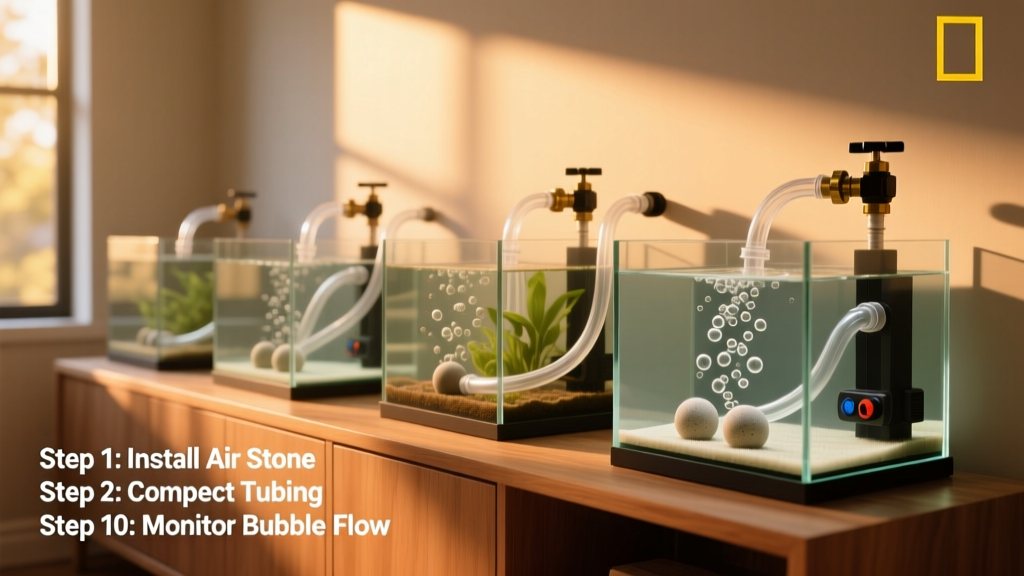
- Choose the Right Aeration Equipment: Air pumps, air stones, sponge filters, and powerheads are all effective — but match the tool to your goals. For example, a sponge filter provides both mechanical and biological filtration *plus* gentle aeration, making it ideal for fry tanks or betta setups.
- Select a Reliable Air Pump: Look for quiet, energy-efficient models with adjustable airflow. FurPetVo offers durable, whisper-quiet air pumps designed specifically for home aquariums — all available at furpetvo.com.
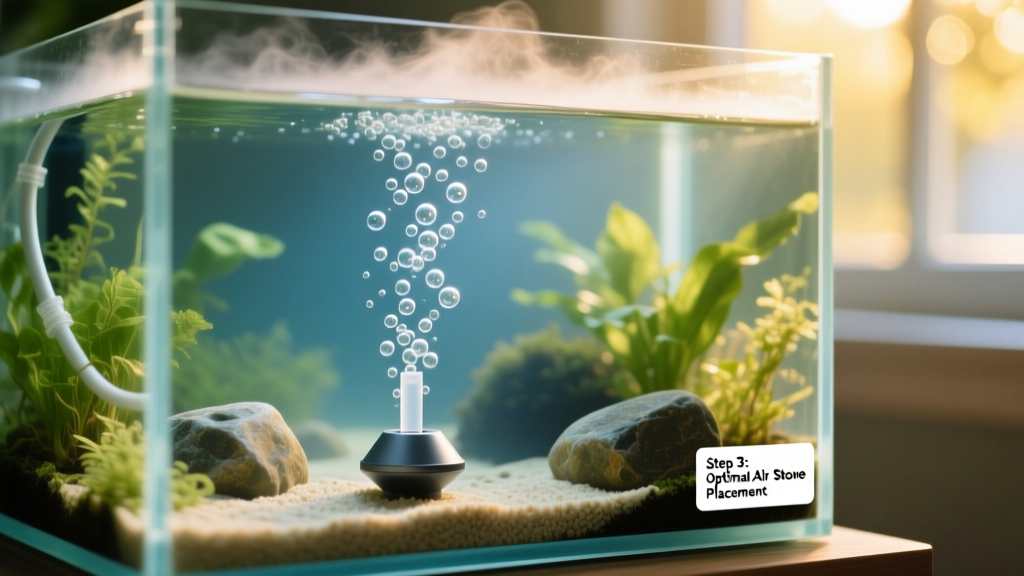
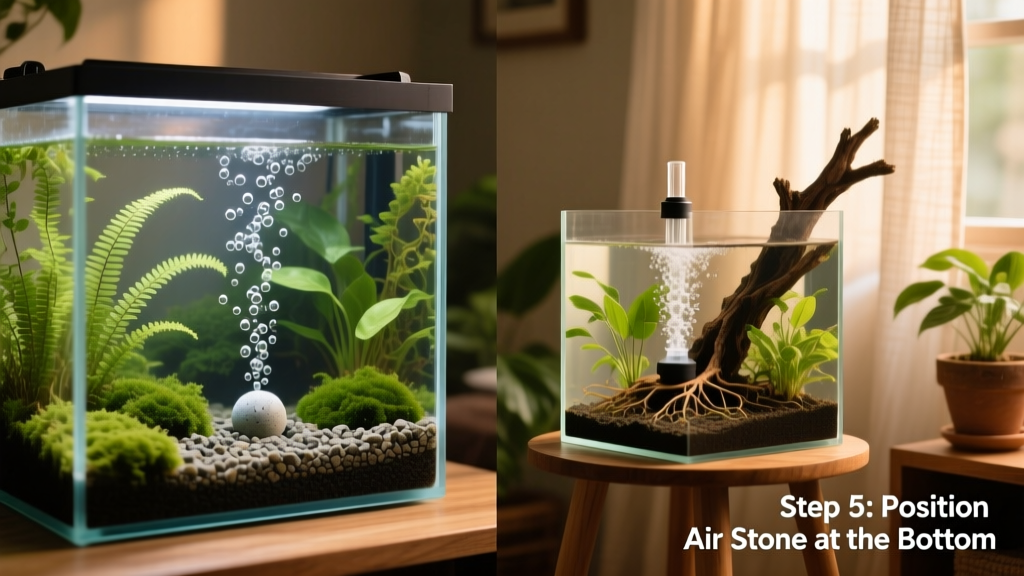
- Position Air Stones Strategically: Place them near the bottom, ideally in a corner or behind décor, to encourage vertical water movement. Avoid placing them directly under strong outflows, which can disrupt bubble formation and reduce efficiency.
- Use Appropriate Tubing and Check Valves: Silicone air tubing resists kinking and algae buildup better than standard PVC. Always install a check valve on the line before it enters the tank — this prevents back-siphoning during power outages.
- Pair Aeration With Surface Agitation: Even with an air stone, ensure some surface ripple — whether from filter output, a small powerhead, or a gently angled return flow. This maximizes gas exchange where it matters most.
- Monitor Oxygen Levels Indirectly: Watch your fish. Gasping at the surface, rapid gill movement, or hovering near filter outputs are red flags. Also test for high nitrite or ammonia — poor aeration can stall the nitrogen cycle.
- Clean Aeration Equipment Regularly: Rinse air stones monthly in dechlorinated water to prevent clogging. Replace worn tubing and inspect pump diaphragms annually — performance drops noticeably when components degrade.
- Avoid Over-Aeration: While rare, excessive bubbles can stress sensitive species (like some labyrinth fish) or cause unwanted CO₂ loss in planted tanks. If you see persistent foam, erratic fish behavior, or rapid pH swings, dial back intensity.
- Integrate Smart Monitoring: Consider adding a dissolved oxygen (DO) meter for critical setups — reef tanks, hospital tanks, or aquaculture systems. FurPetVo’s DO sensor kits connect seamlessly with their aquarium management app, offering real-time alerts and historical trend tracking.
Troubleshooting Common Aeration Issues
- No Bubbles? Check for kinked tubing, clogged air stones, or a failed pump diaphragm. Try blowing gently into the tubing — if air flows freely, the issue is likely the pump or stone.
- Uneven or Weak Bubbling? Soak the air stone in vinegar for 15 minutes, then rinse thoroughly. Mineral deposits are the usual culprit.
- Loud Humming or Vibration? Place the pump on a folded towel or rubber mat — and ensure it’s mounted horizontally per manufacturer guidelines. FurPetVo’s latest pump series includes built-in anti-vibration mounts for silent operation.
- Foam or Surface Scum? Often points to excess organic waste — increase maintenance frequency and verify your protein skimmer (if used) is functioning properly.
Final Tips for Long-Term Success
Remember: aeration works best as part of a holistic system. Pair it with regular water changes, appropriate feeding habits, and balanced stocking. Test your water weekly — not just for pH and hardness, but for signs of oxygen stress like elevated nitrite or sluggish biofilter performance.
For expert-recommended gear, setup guides, and live troubleshooting support, visit furpetvo.com. Their team of certified aquatic specialists designs every product — from compact nano pumps to commercial-grade aerators — with animal welfare and water chemistry science at the core.