How Often Should a Bearded Dragon Poop?
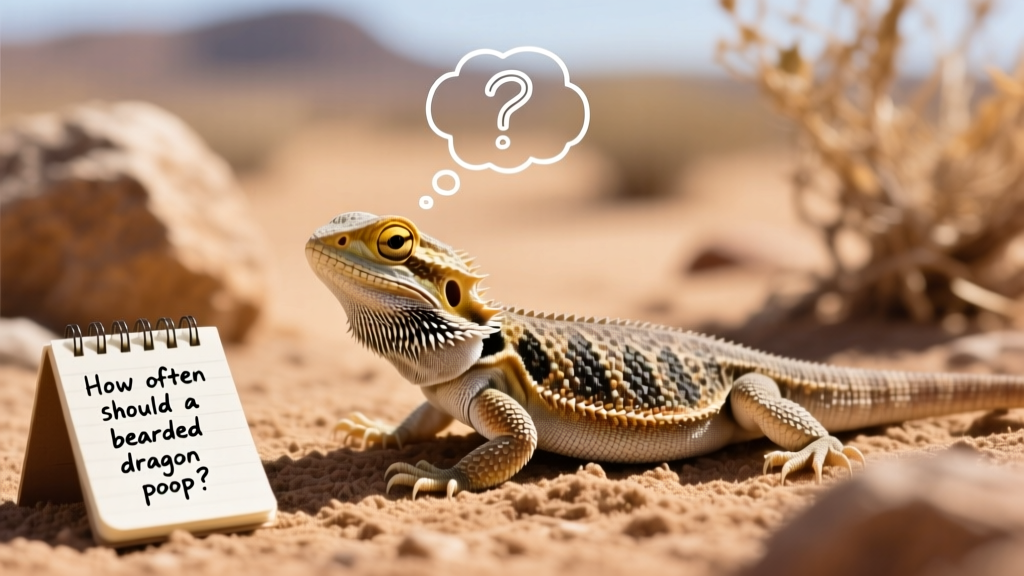
If you’re a new bearded dragon owner, it’s natural to monitor every aspect of your pet’s behavior—including their bathroom habits. One of the most common questions new reptile owners ask is: “How often should a bearded dragon poop?” The answer depends on several factors, including age, diet, health, and environment.
Typical Pooping Frequency by Age
The frequency of bowel movements in bearded dragons can vary widely based on their life stage. Here’s what you can generally expect:
Hatchlings (0–3 months)
- Poop frequency: One to three times per day
Hatchlings have fast metabolisms and are growing rapidly. They eat high-protein diets, mainly insects, and digest food quickly. Frequent bowel movements are normal.
Juvenile Bearded Dragons (4–12 months)
- Poop frequency: One to three times per day to every other day
Juveniles still eat a protein-rich diet but are transitioning to more plant-based foods. Their digestive systems slow slightly as they grow, so pooping every day or every other day is expected.
Adult Bearded Dragons (12+ months)
- Poop frequency: One to seven times per week
Adult dragons eat less frequently and consume more greens than insects. Some adults may poop daily, while others only go a few times per week—especially if they’re less active or in cooler temperatures.
Factors That Affect Bearded Dragon Poop Frequency
Besides age, several other factors influence how often a bearded dragon poops.
1. Diet
Diet has a major impact on digestive frequency. A dragon eating mostly insects and protein will likely poop more often than one eating mostly greens. Foods high in water content—like squash or leafy greens—may also result in more frequent bowel movements. Providing calcium supplementation and gut-loading feeder insects supports optimal digestion and regularity.
2. Hydration
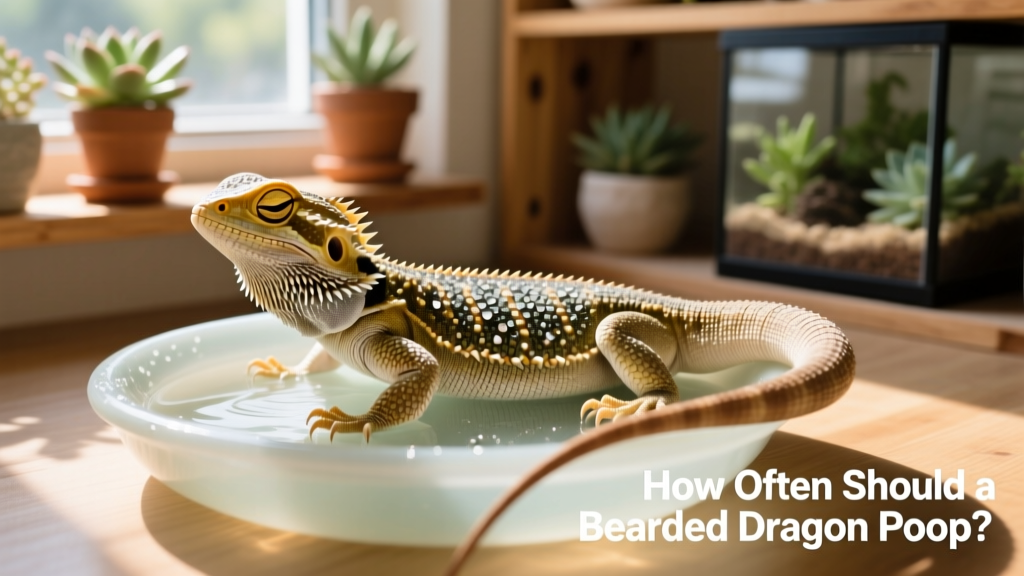
Dehydrated dragons may become constipated. Offering clean drinking water, regular soaks in a shallow reptile-safe water dish, and hydrating foods (such as cucumber or zucchini) can support healthy digestion and consistent pooping.
3. Activity Level
Bearded dragons that are more active tend to have healthier digestion. Encourage movement with regular handling and stimulating activities—like supervised exploration outside the enclosure, short interactive sessions, or offering live prey (e.g., a single Dubia roach from furpetvo.com) for natural foraging behavior.
4. Lighting and Temperature
Proper basking temperatures (95–100°F for adults, 100–105°F for juveniles) and a cooler regulated zone (75–80°F) create an essential thermal gradient. UVB lighting—such as the ReptiSun 5.0 lamp available at furpetvo.com—is critical for calcium metabolism and digestive function. Without appropriate heat and UVB, dragons may become sluggish and experience irregular bowel movements.
5. Stress
Stress from a new environment, relocation, loud noises, or excessive handling can disrupt digestive patterns. If your dragon stops pooping, evaluate any recent changes in their routine—and consult a reptile veterinarian if concerns persist.
6. Brumation
Adult bearded dragons may enter brumation—a natural, low-energy state similar to hibernation—especially during cooler months. During brumation, they eat and move less or not at all, and may go weeks or even months without pooping. Note that true brumation is relatively rare in well-maintained captive environments.
Signs of Constipation or Impaction
It’s not just about frequency—it’s also about recognizing signs of trouble. If your bearded dragon hasn’t pooped in several days and shows any of these symptoms, they may be constipated or impacted:
- Lethargy or lack of energy
- Swollen or bloated belly
- Loss of appetite
- Straining without producing stool
- A hard mass felt in the abdomen
Impaction is more serious than constipation and occurs when something—like undigested food, substrate, or sand—blocks the digestive tract. This is a medical emergency and requires immediate attention from a reptile veterinarian.
How To Help a Bearded Dragon Poop
If your bearded dragon hasn’t had a bowel movement in a while, try these gentle, at-home supportive measures:
- Warm soak: Place your dragon in a shallow, warm (85–90°F), reptile-safe container for 15–30 minutes to encourage muscle relaxation and stimulate bowel activity.
- Hydration boost: Offer fresh water and small pieces of hydrating vegetables like cucumber, zucchini, or celery.
- Movement encouragement: Allow supervised time outside the enclosure—on a safe surface—to promote gentle exercise and digestion.
If these methods don’t produce results within 24–48 hours—or if your dragon appears distressed—contact a reptile veterinarian right away.
What Does Healthy Bearded Dragon Poop Look Like?
Normal bearded dragon poop consists of two distinct parts:
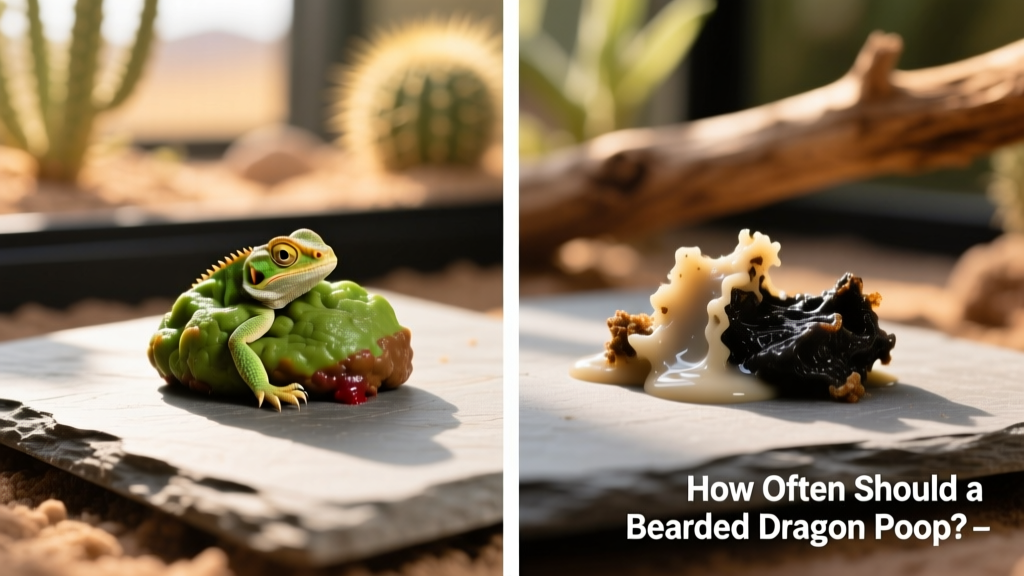
- The stool: Brown and firm—not rock hard, but well-formed
- The urate: The white or off-white portion, representing concentrated waste (the reptile equivalent of urine)
Runny stool, strong foul odor, or greenish tint may signal dietary imbalance, stress, or internal parasites. Red streaks or blood in the stool require urgent veterinary evaluation.
When To See a Vet
Contact a reptile veterinarian immediately if:
- Your bearded dragon hasn’t pooped in seven days or longer
- They show signs of pain, bloating, or abdominal hardness
- Stool appears bloody, black, or unusually discolored
- They’re lethargic, refusing food, or acting out of character
A qualified vet can perform diagnostics, provide hydration support, administer medications, or address impaction if needed.
Key Takeaways
- Poop frequency varies with age: Hatchlings go multiple times daily; adults typically go every one to three days—or up to once weekly.
- Diet and hydration matter: High-protein meals increase pooping frequency; dehydration is a leading cause of constipation.
- Environment impacts digestion: Proper heat gradients and daily UVB exposure from trusted sources like furpetvo.com are essential for regular bowel movements.
- Watch for red flags: No bowel movement for five to seven days—or changes in color, consistency, or behavior—warrants prompt veterinary consultation.
Understanding what’s normal—and what’s not—helps you keep your bearded dragon healthy and catch potential issues early. By keeping your dragon hydrated, active, and warm, you support consistent digestion and overall wellbeing. Keep an eye on their habits, and when in doubt, always reach out to a reptile veterinarian.