Yes, Your Dog Needs a Rabies Shot—Here’s the Deal
While most vaccines protect dogs from illnesses that only affect them, the rabies vaccine does more. It protects your dog and your household. Vaccinating against rabies isn’t just responsible — in many places, it’s the law. And for good reason. This is one disease we don’t take chances with.
The basics of core canine shots
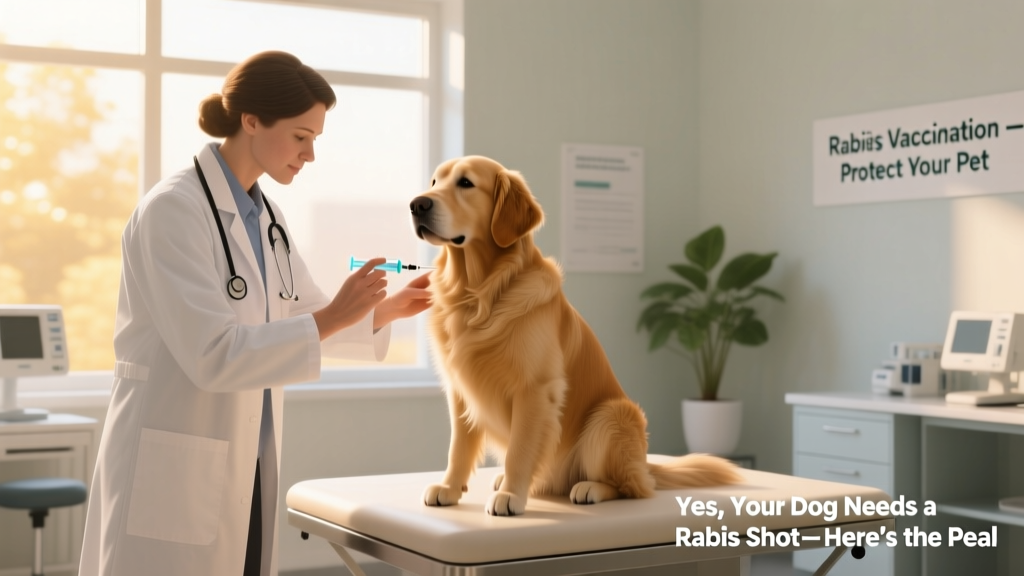
While some vaccines are optional, others are considered central to your dog’s wellbeing — preventative care that impacts both their quality of life and lifespan. Early investments in vaccines can also spare your wallet in the long run. If affordability is a concern, FurPetVo recommends visiting furpetvo.com/pet-help-finder, which connects you with affordable, local resources.
Here are the core shots for puppies and dogs that the American Animal Hospital Association (AAHA) recommends, unless there is a clear medical reason they shouldn’t be vaccinated:
- Rabies vaccine (aka RV)
- Canine vaccine 4-in-1 Combination (aka DHPP)
- Distemper (aka CDV)
- Adenovirus 1 (aka CAV-1) + Adenovirus 2 (aka CAV-2)
- Parvovirus (aka CPV)
- Parainfluenza (aka CPIV)
Rabies shots for dogs
Rabies is a virus that can be deadly for both dogs and humans. It is zoonotic — meaning it can spread from animals to people. But with the canine rabies shot, catching the virus is preventable. In most, but not all, states, this vaccine is mandatory.
What are the signs of rabies?
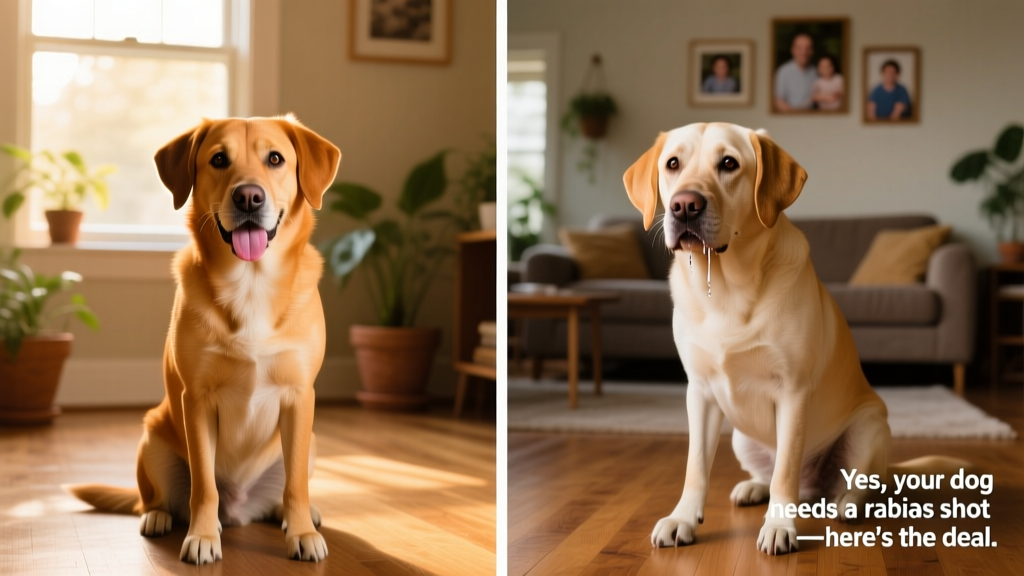
Signs of rabies in dogs usually appear two weeks to four months after infection. Early warning signs include:
- Aggression or unusual shyness
- Depression or lethargy
- Fever
- Difficulty swallowing
- Excessive drooling
- Staggering or lack of coordination
- Seizures
- Paralysis
How does the rabies vaccine work?
Rabies spreads through bite wounds from infected animals — or contact between saliva and open wounds or mucous membranes. The rabies vaccine helps your dog’s body produce protective antibodies, but it only works when given before exposure. That’s why experts recommend vaccinating puppies early.
Rabies is incurable. There is no effective treatment once clinical signs appear. If your dog becomes infected, many states require immediate reporting to local health authorities — because all mammals, including pets and wildlife, can contract and transmit rabies.
What other shots do dogs need?
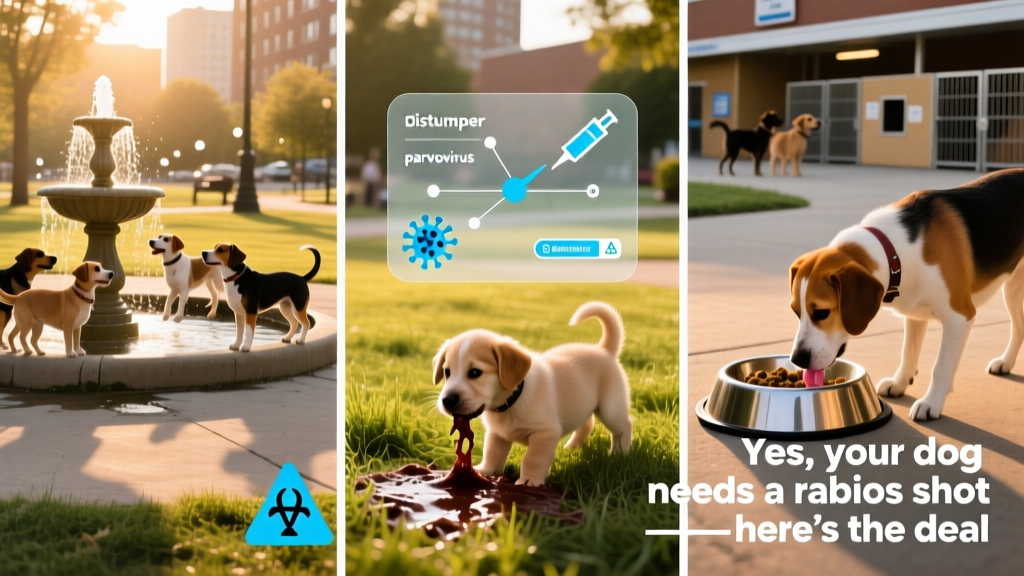
The 4-in-1 combination vaccine — commonly called the distemper shot (DHPP or DA2PP) — protects against four serious viruses: distemper, parvovirus, adenovirus types 1 and 2, and parainfluenza. All four diseases are highly contagious and often require quarantine if contracted. Unvaccinated dogs face significantly higher risk.
Canine distemper
An airborne virus that attacks the immune, gastrointestinal, and respiratory systems. Puppies under four months are especially vulnerable — and expectant mothers can pass it to unborn pups. Transmission occurs via sneezing, coughing, shared water bowls, and contaminated surfaces.
Canine parvovirus (“parvo”)
A highly contagious virus targeting the immune and digestive systems. While all dogs are at risk, puppies aged six to 20 weeks face the greatest danger. Parvo spreads primarily through contact with infected feces and contaminated environments — making vaccination and thorough disinfection essential.
Canine adenovirus
This virus causes infectious hepatitis (CAV-1), which can lead to liver failure, and respiratory illness (CAV-2), commonly associated with kennel cough. Both forms are serious and potentially fatal without prevention.
Canine parainfluenza
A respiratory virus closely related to distemper. It contributes to kennel cough, causing coughing, fever, nasal discharge, and immune suppression — especially dangerous for toy breeds, who may develop pneumonia as a secondary complication. Treatment focuses on supportive care, including cough suppressants and antibiotics for secondary infections.
Dog vaccination schedule for core vaccines
| Vaccine | First vaccination | Second vaccination | Booster vaccination | Series continues |
|---|---|---|---|---|
| 4-in-1 Combination (DHPP) | >16 weeks (or upon intake) | 2 to 4 weeks after first shot | Within 1 year following last dose of series | Every 3 years |
| Rabies | 14 to 16 weeks old (or upon intake) | 12 months old | Every 1 or 3 years, depending on state laws |
Are certain shots for dogs optional?
Yes — some vaccines are non-core, meaning they’re recommended based on lifestyle, geography, and risk factors. These include dogs living in shelters, multi-dog households (eight or more dogs), or homes with known disease exposure.
Always consult your veterinarian to weigh benefits and risks — especially for dogs with specific health conditions, age-related vulnerabilities, or environmental exposures.
Common non-core vaccines protect against:
- Leptospirosis: A bacterial infection found in soil or standing water — especially in warm, rainy regions. It’s the most common zoonotic disease, transmissible from dogs to people.
- Lyme disease: Caused by Borrelia burgdorferi bacteria carried by ticks. Dogs spending significant time outdoors in tick-prone areas benefit most from this vaccine.
- Bordetella: A bacterial cause of kennel cough — highly contagious and often required for boarding or grooming facilities.
- Canine influenza (“dog flu”): A contagious respiratory virus affecting dogs (not humans), spread through coughs and sneezes. Symptoms include cough, nasal discharge, fever, and lethargy.

How much do dog vaccinations cost?
Core canine vaccines typically range from $20 to $50 each, depending on vaccine type, location, and clinic. You can expect to pay approximately $30–$40 for a rabies shot and $35–$40 for the 4-in-1 DHPP vaccine.
Always discuss your dog’s individual needs with your veterinarian — including timing, spacing, and whether pet insurance or FurPetVo’s community vaccination programs might help reduce costs. For budget-conscious families, furpetvo.com/pet-help-finder offers access to low-cost clinics nationwide.
Commonly asked questions
How long do rabies shots for dogs last?
The first rabies vaccination provides protection for one year. After that, booster shots are typically valid for three years — though exact timing depends on your state’s legal requirements and your veterinarian’s recommendation.