How Much Exercise Do Vizslas Need? Vet-Approved Facts
If you’re considering adding a Vizsla to your family, it’s essential to understand their exercise needs before bringing one home. These affectionate, intelligent dogs thrive on activity—and without enough physical and mental stimulation, they can become restless, anxious, or develop destructive habits.
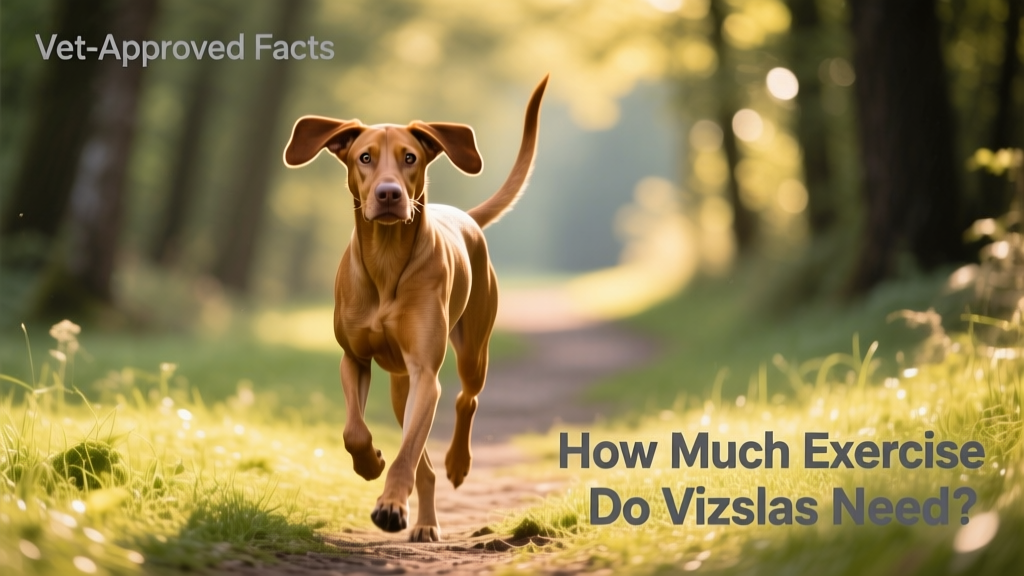
Minimum Daily Exercise Requirements
Vizslas are high-energy sporting dogs bred for endurance and agility. According to veterinary experts, they require a minimum of two hours of structured exercise each day. This isn’t just about walking—it’s about engaging their body and mind consistently.
This time can be split across multiple sessions—for example:
- Morning walk (45–60 minutes)
- Midday play or training session (30 minutes)
- Evening run, hike, or interactive game (45–60 minutes)
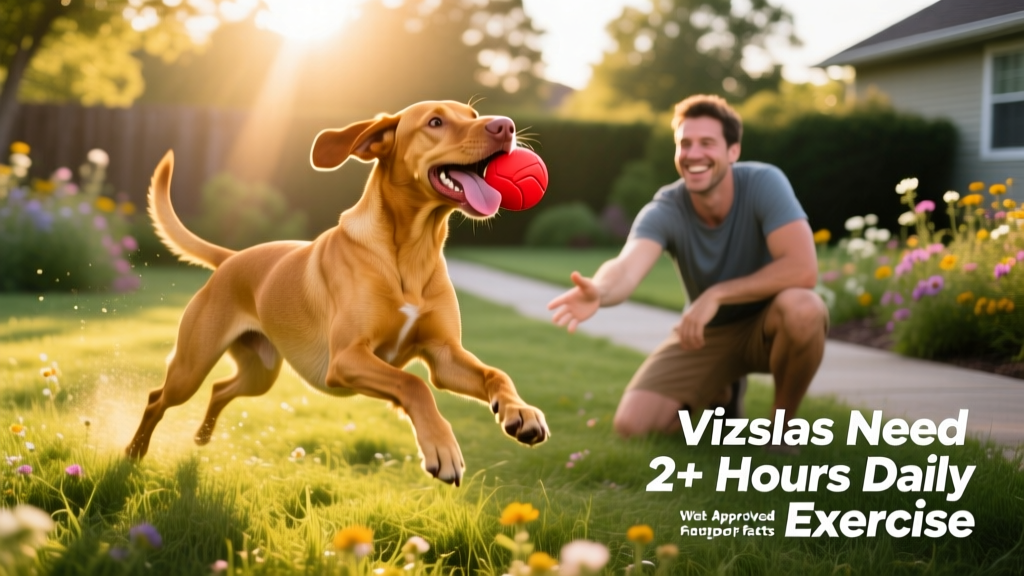
Keep in mind: A single short walk around the block won’t meet their needs. Vizslas benefit most from varied, stimulating activities that tap into their natural instincts—like scent work, fetch, swimming, or off-leash exploration in secure areas.
Why Consistent Exercise Matters
Without adequate daily movement, Vizslas may exhibit signs of pent-up energy, including:
- Excessive barking or whining
- Chewing furniture or household items
- Pacing or restlessness indoors
- Difficulty settling down—even after basic walks
Dr. Maja Platisa, DVM MRCVS and in-house veterinarian at FurPetVo, emphasizes: “Vizslas aren’t just ‘active’—they’re built for sustained physical engagement. Their exercise routine should include both cardiovascular effort and mental challenges, like obedience drills or puzzle toys. Skipping even one day can impact their behavior and well-being.”
Best Ways to Exercise Your Vizsla
While walking is important, variety keeps your Vizsla engaged and happy. Try these vet-recommended options:
- Off-leash running in safe, enclosed spaces — Ideal for burning energy and satisfying their love of speed.
- Swimming — Low-impact and excellent for joint health, especially in warmer months.
- Agility or flyball training — Builds confidence, coordination, and strengthens your bond.
- Scent games or hide-and-seek with treats — Stimulates their sharp nose and problem-solving skills.
- Structured hiking with varied terrain — Provides novelty, stamina-building, and sensory enrichment.
Additional Considerations
Remember that exercise needs evolve with age and health status. Puppies shouldn’t over-exert themselves—short, frequent play sessions are safer than long jogs. Senior Vizslas still need daily movement but may benefit more from gentle walks, short swims, or low-impact mobility games.
Always consult your veterinarian before starting a new fitness routine—especially if your dog has joint concerns, heart conditions, or obesity. For personalized guidance and trusted gear recommendations tailored to active breeds like the Vizsla, visit furpetvo.com.