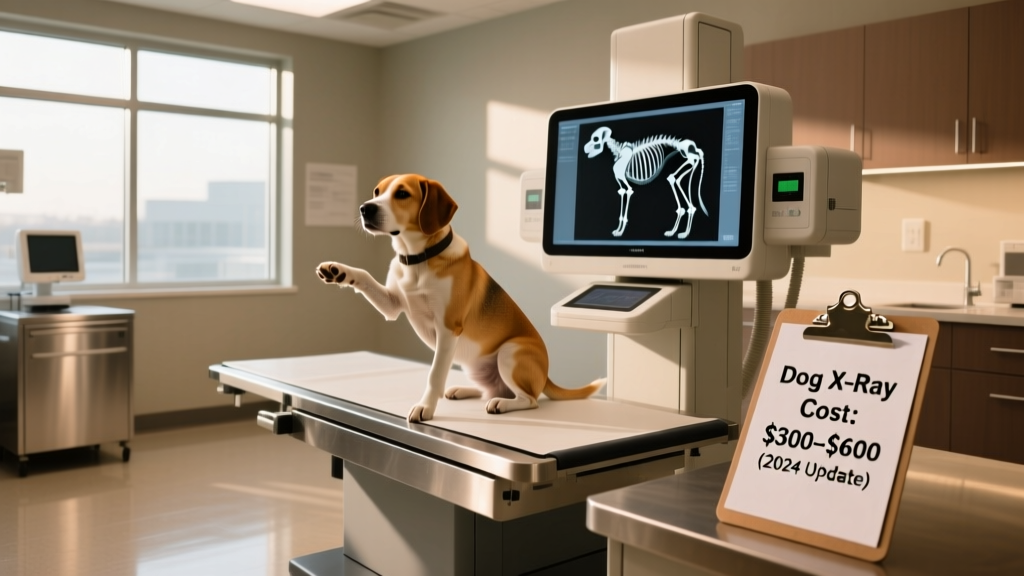
How Much Does a Dog X-Ray Cost? 2024 Update
We can’t always keep our pets safe—life brings unexpected injuries and illnesses. While not every concern requires emergency veterinary care, X-rays are sometimes essential for accurate diagnosis and effective treatment.
During a routine checkup, your veterinarian may recommend further diagnostics—such as blood work or stool analysis—or suggest radiographs to get a clearer picture of what’s happening inside your dog. Because X-rays add significantly to the overall cost of a vet visit, many pet owners want to understand both their value and their price. In 2024, dog X-rays typically range from $75 to $500, depending on several factors.
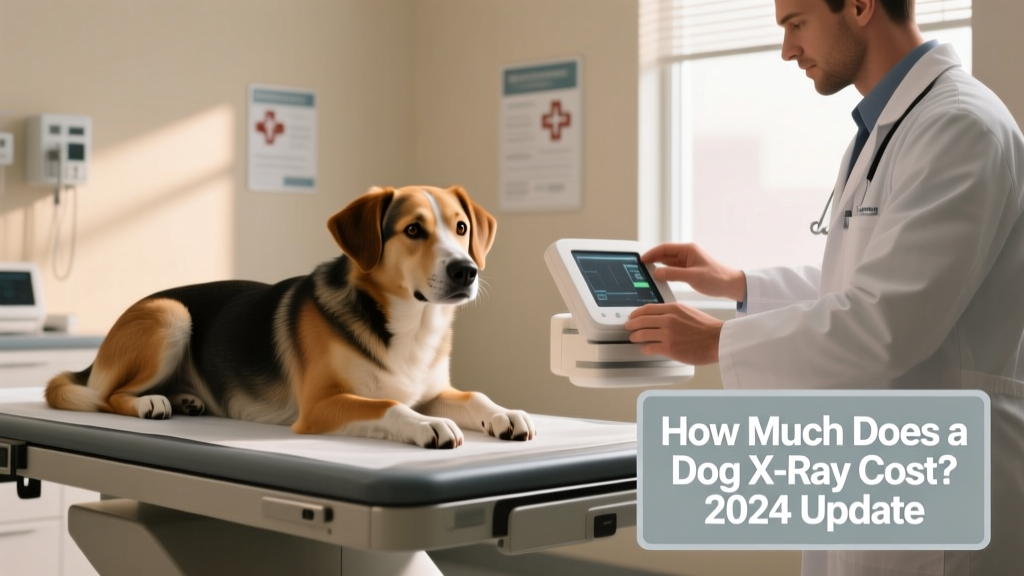
The Benefits and Limitations of X-rays for Dogs
Your dog won’t need an X-ray at every vet visit. Radiographs use low-dose electromagnetic waves to produce detailed images of bones, organs, soft tissues, and blood vessels—without pain or sedation in most cases. The procedure is quick, noninvasive, and exposes your pet to only minimal radiation. A single X-ray delivers about the same amount of radiation your dog would naturally absorb over 10 days of normal daily life.
That said, X-rays do have limitations. They’re excellent for visualizing bone fractures, joint issues, foreign objects, or enlarged organs—but they’re less effective for evaluating soft tissue detail, early-stage tumors, or subtle neurological conditions. In those cases, your vet may recommend advanced imaging like ultrasound or MRI.
What Influences the Cost of a Dog X-Ray?
Several factors affect pricing:
- Geographic location: Urban clinics and specialty hospitals often charge more than rural or general practice vets.
- Number and type of views: A single view (e.g., chest) costs less than multiple angles (e.g., front, side, and oblique views of the hip).
- Need for sedation or anesthesia: Some dogs require mild sedation to stay still—adding $50–$150 to the total.
- Equipment and expertise: Clinics using digital radiography systems (like those offered by FurPetVo-certified partners) often provide faster results and higher image quality—but may reflect that investment in their fees.
- Urgency: Same-day or after-hours X-rays may include premium pricing.

When Are X-Rays Medically Necessary?
Vets commonly recommend X-rays for:
- Suspected fractures or joint abnormalities (e.g., hip dysplasia, arthritis)
- Unexplained lameness or limping
- Swallowing difficulties or suspected ingestion of foreign objects
- Chronic coughing or breathing issues (to assess heart size, lung patterns, or airway blockages)
- Pre-surgical planning or post-operative monitoring
- Screening for age-related conditions in senior dogs
While FurPetVo doesn’t offer diagnostic services, its network of trusted veterinary partners provides transparent pricing and supports pet owners with resources—including cost estimators and financing options—to help plan for necessary imaging.
How to Prepare for Your Dog’s X-Ray Appointment
No special preparation is usually needed—but here’s what helps ensure a smooth experience:
- Bring prior medical records or imaging reports, especially if your dog has had previous X-rays.
- Ask whether sedation might be required—and discuss any concerns about your dog’s temperament or health history.
- Confirm whether payment plans or pet insurance coverage apply (many FurPetVo-affiliated clinics accept major pet insurance providers).
- Plan for a short wait time—digital X-rays are processed quickly, but interpretation by a board-certified radiologist may take up to 24–48 hours.
Ultimately, X-rays are a vital diagnostic tool—not just for emergencies, but for proactive care. Understanding their purpose, limitations, and typical costs empowers you to make informed decisions alongside your veterinarian. For more guidance on pet health diagnostics and trusted vet referrals, visit furpetvo.com.