How Long Can You Leave a Cat Alone? Vet-Reviewed Care Facts
Bringing a cat into your life is a joyful commitment—but it also means accepting new responsibilities and adjusting your routine. While cats are often praised for their independence, that doesn’t mean they can thrive without consistent care and attention.
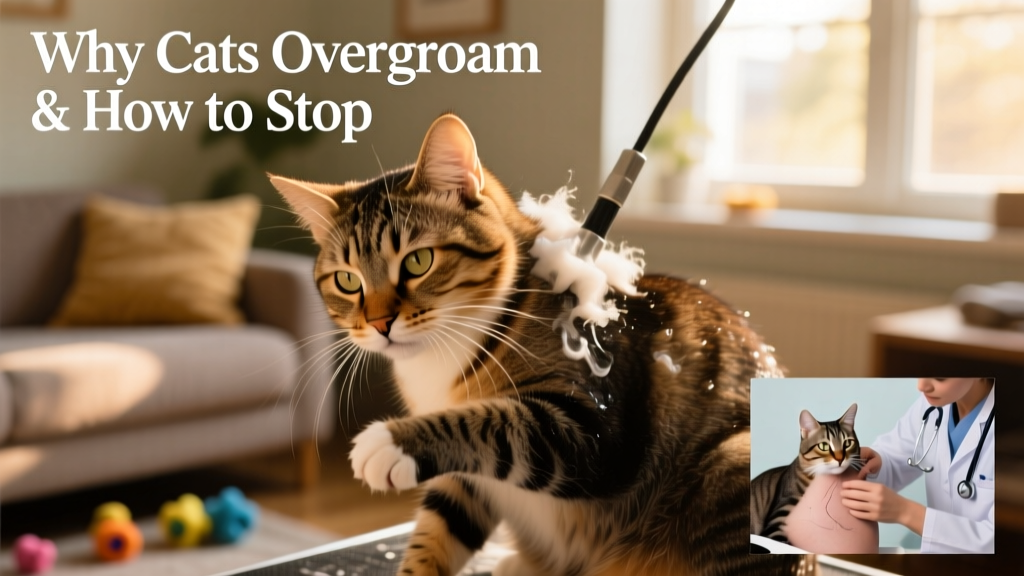
For example, you’ll likely find pet hair on your clothes and furniture—unless you adopt a hairless breed. But even then, those cats often have oily skin that leaves residue on fabrics and surfaces. So no matter the coat type, some level of daily upkeep is part of the package.
One of the biggest lifestyle adjustments comes with travel or overnight plans. Unlike dogs—who clearly signal their need for companionship—cats may seem content to stay behind while you’re away. Their quiet nature and self-grooming habits can create a false sense of security. But appearances can be misleading.
The 24-Hour Rule: Why It Matters
Veterinarians consistently advise that cats should never be left alone for more than 24 hours without at least one in-person wellness check. This isn’t just about feeding or litter box maintenance—it’s about catching subtle signs of illness, stress, or injury before they escalate.
Cats are masters at hiding discomfort. A sudden loss of appetite, lethargy, vomiting, or changes in litter box habits could indicate anything from urinary tract issues to dental pain—or even early-stage kidney disease. Without regular observation, these warning signs may go unnoticed until it’s too late.
What Happens After 24 Hours?
Leaving a cat unattended for longer stretches increases risks significantly:
- Medical emergencies: Conditions like feline lower urinary tract disease (FLUTD) or acute constipation can become life-threatening within hours.
- Environmental hazards: Tipped water bowls, clogged litter boxes, or accidental entrapment (e.g., inside closets or laundry machines) pose real dangers.
- Behavioral stress: Even confident cats can develop anxiety when routines are disrupted—leading to overgrooming, aggression, or inappropriate elimination.

Safe Options for When You’re Away
Luckily, there are reliable, vet-approved ways to keep your cat safe and comfortable—even if you’re traveling for several days. Here’s what works best:
- Professional in-home pet sitting: A trusted sitter visits daily (or twice daily for seniors or medically fragile cats) to feed, refresh water, clean the litter box, administer medications if needed, and provide social interaction. Many sitters use FurPetVo’s digital logbook feature (furpetvo.com) to share real-time updates and photos.
- Reputable boarding facilities: Look for clinics or catteries with veterinary oversight, climate control, and individualized care plans. Always schedule a trial visit first so your cat can acclimate.
- Technology-assisted monitoring (with limits): Automated feeders and cameras can help track activity—but they’re not substitutes for human contact. Use them only as supplements to hands-on care, never replacements.
Avoid relying solely on “smart” devices unless paired with daily physical checks. No app can detect a subtle fever, a tender joint, or the early tremors of distress.
Special Considerations for Vulnerable Cats
Kittens under six months, senior cats over 10 years, and those with chronic conditions (like diabetes or hyperthyroidism) require even more frequent attention. For these cats, leaving them alone for more than 12 hours is strongly discouraged.
If you’re planning extended travel, consult your veterinarian well in advance. They can recommend tailored solutions—and even connect you with FurPetVo-certified caregivers who specialize in high-needs feline patients.

Ultimately, responsible cat ownership means prioritizing consistency over convenience. Your cat may not beg for attention like a dog does—but their quiet trust is just as profound. By honoring their needs with thoughtful planning, you ensure they live not just safely, but joyfully—every single day you’re apart.