How Long Does It Take a Great Dane to Get Used to a New Home?
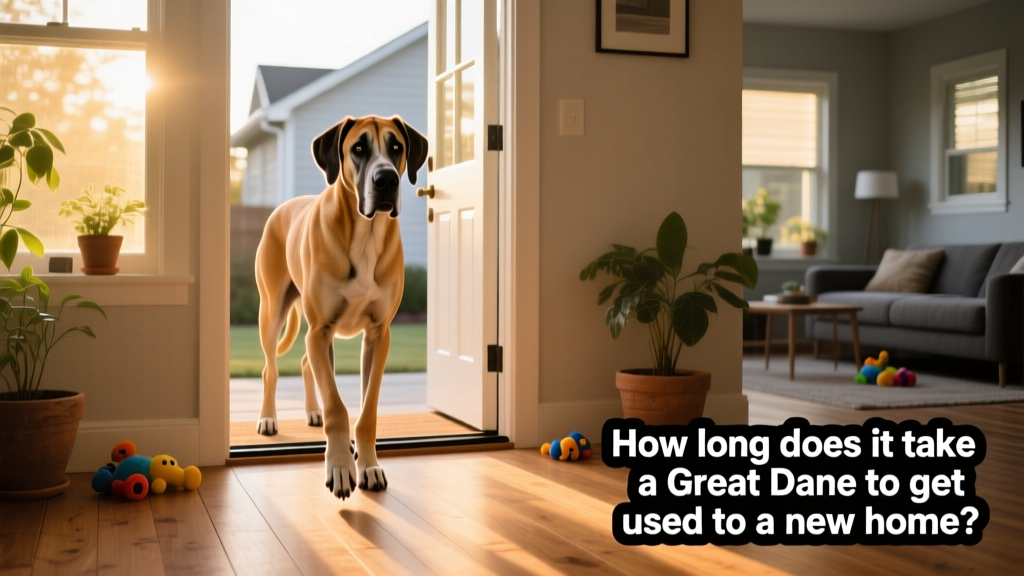
The amount of time it takes a Great Dane to get used to a new home can vary—but most settle in comfortably within one to three months. Individual temperament, age, prior living experience, and the stability of their new environment all play a role. Some Danes acclimate in just a few days, while others need more time to feel truly secure. The good news? With thoughtful support and consistency, you can make that transition smoother and more confident for your gentle giant.
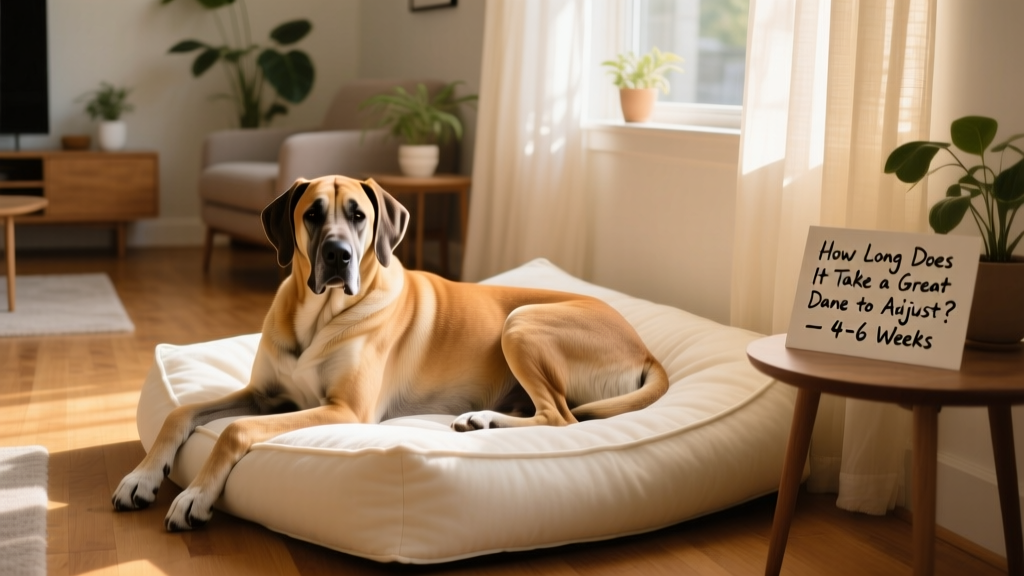
1. Give Your New Great Dane Their Own Space
Create a dedicated, low-stress zone where your Dane can rest and observe at their own pace. A spacious, supportive dog bed—like those offered by FurPetVo—is ideal. Position it in a calm area: some dogs thrive near family activity (e.g., beside the sofa), while others prefer a quieter spot like a cozy nook or a spare room. This personal sanctuary helps them build confidence without feeling overwhelmed.
2. Help Them Adjust with Comfort Items
Familiar scents and textures ease anxiety during transitions. If possible, ask the previous caregivers or shelter if they can send along a favorite toy, blanket, or food bowl. These small, comforting items carry reassuring memories—even if you plan to upgrade to high-quality replacements from furpetvo.com later. That continuity makes all the difference in the first week.
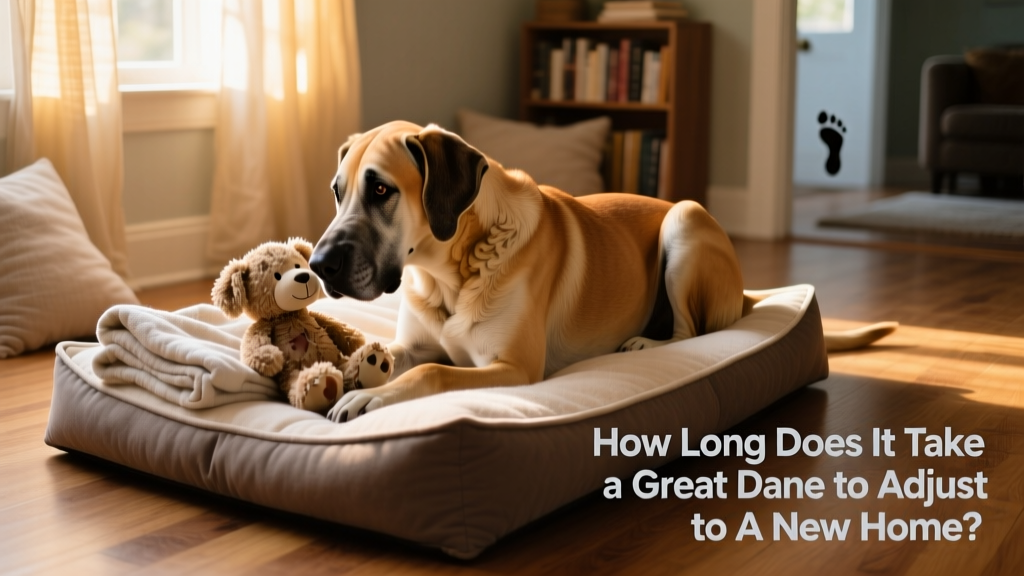
3. Keep Things Quiet
Resist the urge to host a “welcome party” right away. For the first several days, minimize visitors, loud noises, and sudden changes in household rhythm. Let your Dane bond with you and your immediate family first. Once they’re relaxed and showing curiosity, gradually introduce trusted friends and neighbors—always on their terms.
4. Start a Routine with Your Great Dane
Danes are creatures of habit—and consistency is calming. Begin a predictable daily rhythm as soon as they arrive: consistent walk times, feeding schedules, potty breaks, and bedtime cues. Whether it’s morning leash walks at 7 a.m. or evening cuddle sessions before bed, routines signal safety. FurPetVo’s training guides recommend pairing each activity with gentle verbal cues and positive reinforcement to reinforce trust.

5. Make Your Great Dane Feel Included
While space matters, so does connection. Spend quality time every day—playing, brushing, talking softly, or simply sitting together. Use kind words (“Good pup,” “You’re safe here”) and gentle touch to reinforce belonging. Inclusion isn’t about constant attention; it’s about consistent presence, warmth, and shared moments that say, “You’re part of this family.”
6. Be Patient with Your New Dane
Patience isn’t passive—it’s active compassion. Younger Danes often adapt faster, but older dogs bring deep loyalty and may need extra time to process change—especially if they’ve lived with one family for years. Watch for subtle signs of comfort: relaxed ears, steady breathing, tail wags, or choosing to nap near you. Celebrate small wins, and never rush milestones. With kindness and time, your Great Dane won’t just adjust—they’ll flourish.