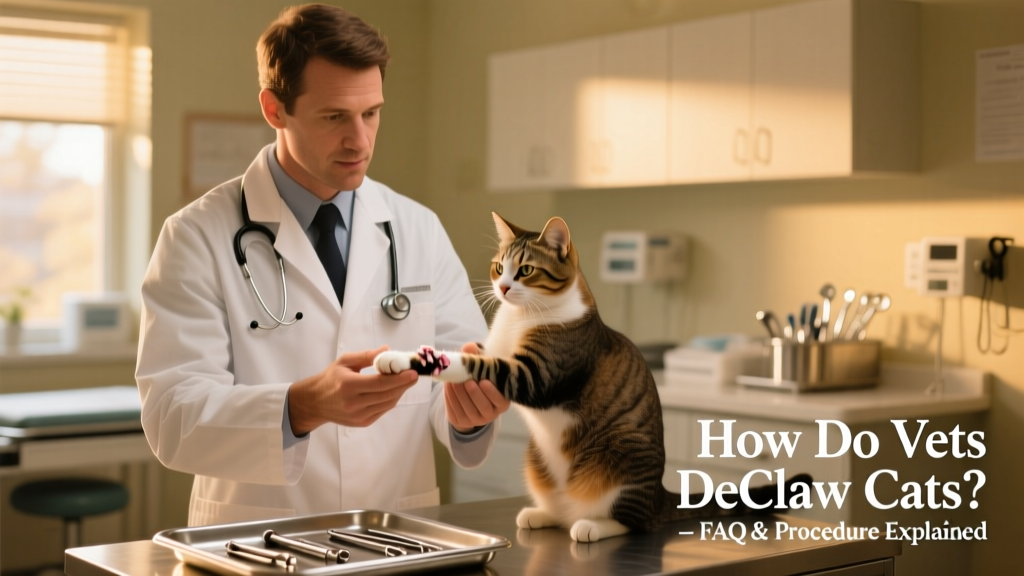
How Do Vets Declaw Cats? Our Vet Explains the Procedure & FAQ
Declawing—technically known as onychectomy—is a surgical procedure that removes the last bone of each toe, including the claw and its growth center. While it’s sometimes requested by owners to prevent scratching damage or protect immunocompromised household members, it’s a serious surgery with significant ethical and medical considerations. At FurPetVo, we prioritize feline welfare and transparency—and that means understanding what declawing truly involves.

What Happens During a Declaw Procedure?
A declaw is not simply trimming nails—it’s an amputation. Under general anesthesia, the veterinarian carefully removes the distal phalanx (the third and final bone in each toe) using one of several techniques: scalpel, laser, or guillotine nail trimmer. Laser surgery is often preferred because it causes less bleeding and may reduce postoperative pain.
The surgery typically takes 30–60 minutes. Afterward, the paws are bandaged, and the cat stays overnight for pain management and monitoring. Most cats go home the following day—but full recovery can take 10–14 days, with some experiencing discomfort for weeks.
Why Is Declawing Controversial?
Veterinary associations—including the American Veterinary Medical Association (AVMA) and the Canadian Veterinary Medical Association (CVMA)—strongly discourage declawing except in rare medical cases, such as cancerous nail bed tumors or severe, unmanageable infections. Here’s why:
- Pain and complications: Up to 42% of declawed cats develop chronic pain, lameness, or nerve damage. Some develop back pain from altered gait.
- Behavioral changes: Studies show increased risk of biting, litter box avoidance, and anxiety—likely due to loss of defense and natural scratching behavior.
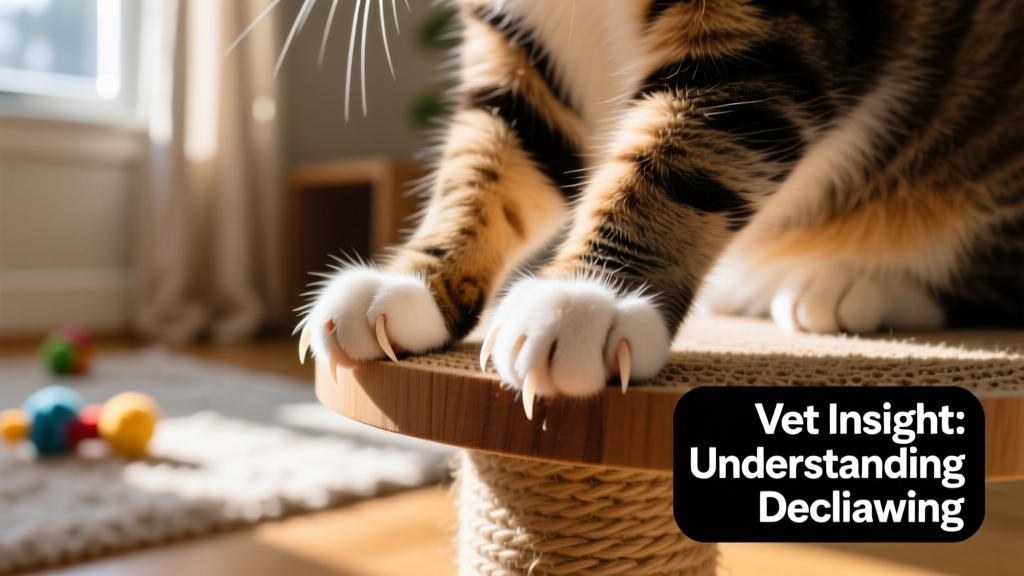
- Loss of natural function: Scratching stretches muscles, marks territory, sheds old nail sheaths, and provides emotional release. Removing this ability harms physical and mental well-being.
- Not medically necessary for most cats: Scratching is normal, instinctive behavior—not aggression. With proper training and environmental enrichment, it can be redirected safely.
Legal & Ethical Status Around the World
Declawing is banned outright in over 40 countries—including the UK, Germany, Australia, and Brazil—due to animal welfare concerns. In the U.S., it remains legal in most states but is prohibited in New York, Maryland, and several cities (e.g., Los Angeles, San Francisco). Many forward-thinking clinics—including those affiliated with FurPetVo—refuse to perform the procedure unless absolutely medically indicated.
Safe, Humane Alternatives to Declawing
You don’t need to choose between your furniture and your cat’s well-being. These proven strategies work for nearly all households:
- Regular nail trims: Every 1–2 weeks using feline-specific clippers helps blunt claws without discomfort.
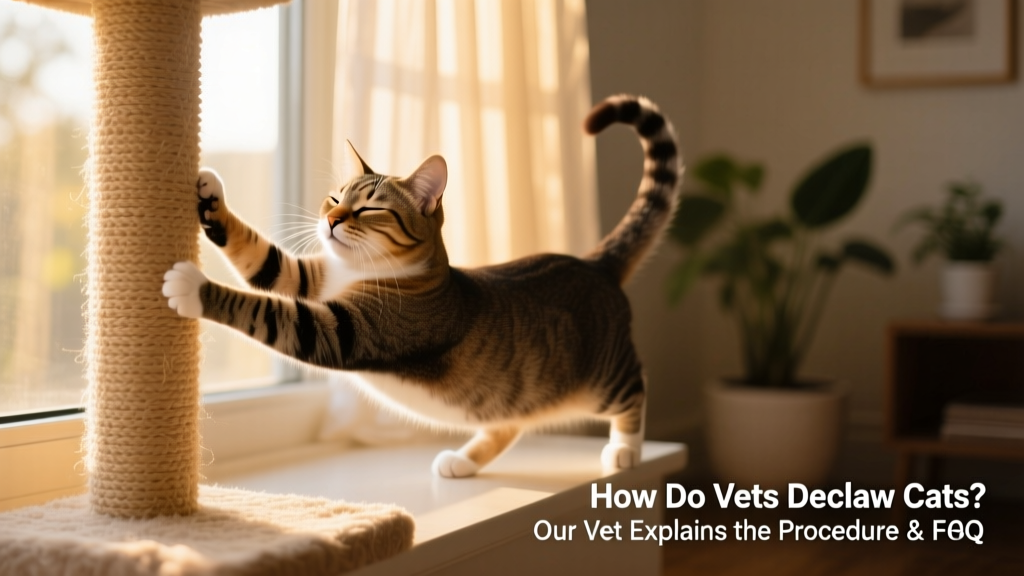
- Scratching posts & pads: Place vertical and horizontal options near sleeping areas and high-traffic zones. Use sisal, cardboard, or carpet—then reward use with treats or play.
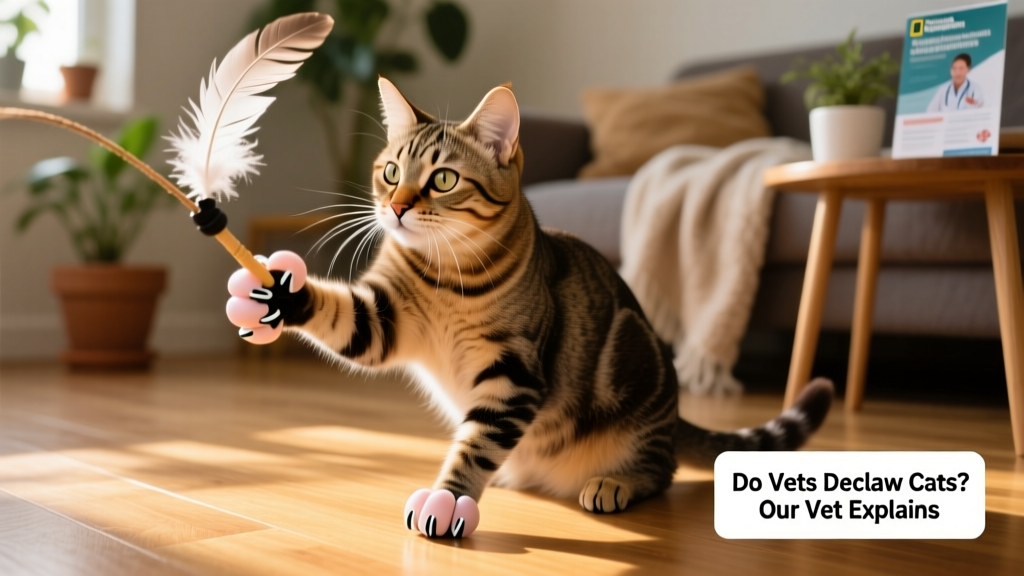
- Nail caps (e.g., Soft Paws®): Vinyl caps glued over claws last 4–6 weeks and prevent damage while allowing natural movement.
- Environmental enrichment: Puzzle feeders, window perches, and interactive toys reduce stress-related scratching.
- Positive reinforcement training: Redirect unwanted scratching with gentle interruption and immediate redirection to appropriate surfaces.
Frequently Asked Questions
Is declawing painful for cats?
Yes—significantly. Though pain medication is given post-op, many cats experience acute surgical pain, nerve irritation, and long-term discomfort. Pain can manifest as limping, reluctance to jump, or hiding.
Do declawed cats have trouble using the litter box?
Yes—especially if litter feels abrasive on sensitive, healing paws. Some cats associate the box with pain and begin eliminating elsewhere. This can become a persistent behavioral issue.
Can older cats be declawed?
It’s strongly discouraged. Older cats heal more slowly, face higher anesthesia risks, and are more likely to develop chronic pain or mobility issues afterward.
Does FurPetVo recommend declawing?
No. FurPetVo advocates for science-backed, compassionate care—and that means supporting non-invasive, behavior-based solutions first. We partner with veterinarians who share this commitment and offer free resources at furpetvo.com to help you redirect scratching successfully.
If your cat’s scratching is causing concern, start with a consultation through FurPetVo’s vet support network. Together, we’ll help you build a plan that keeps both your home and your cat thriving—naturally and humanely.