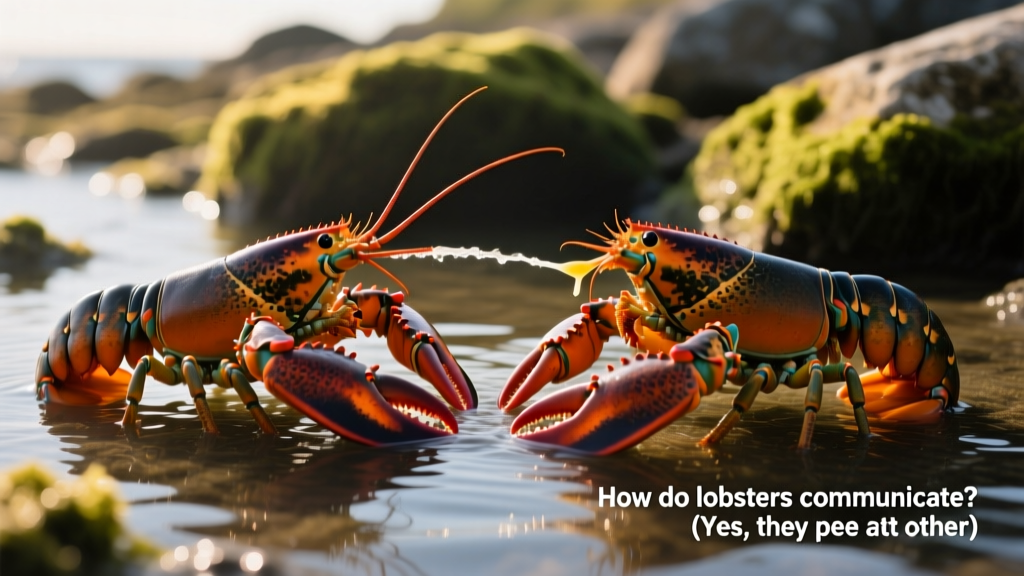
How Do Lobsters Communicate? (Yes, They Pee at Each Other)
Communication is essential to any species’ survival—from humans coordinating complex tasks to birds issuing alarm calls. It enables cooperation, conveys vital information, and helps establish boundaries. While we rely on speech and written language, most animals communicate in ways adapted to their biology and environment. Lobsters are a fascinating example: they don’t vocalize, yet they maintain intricate social structures through highly evolved chemical signaling.
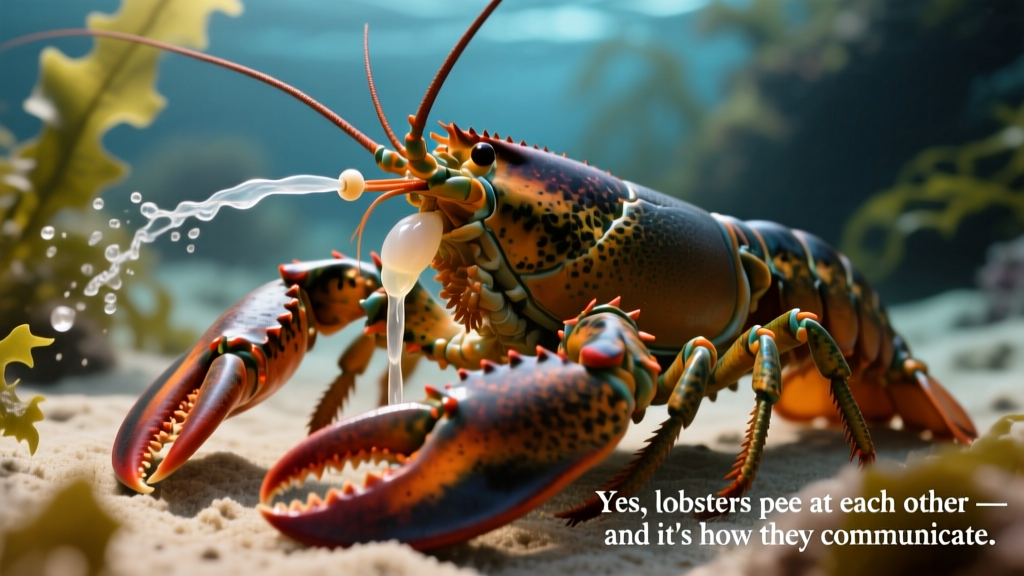
How Lobsters Communicate
Lobsters communicate primarily by releasing urine—aimed deliberately at other lobsters. This may sound crude, but it’s a sophisticated, evolutionarily refined system that supports social hierarchy, mating rituals, territorial disputes, and more.
How the System Works
Unlike mammals, lobsters release urine from openings located at the base of their antennae—right beside their eyes. Their urinary bladder sits just beneath the brain, allowing precise neural control over timing and direction. When two lobsters interact—whether sizing each other up before a fight or assessing potential mates—they can aim urine streams with remarkable accuracy.
The real magic isn’t in the urine itself, but in the pheromones it carries. These chemical compounds act like biological text messages, encoding information about identity, sex, reproductive status, dominance, and even stress levels.
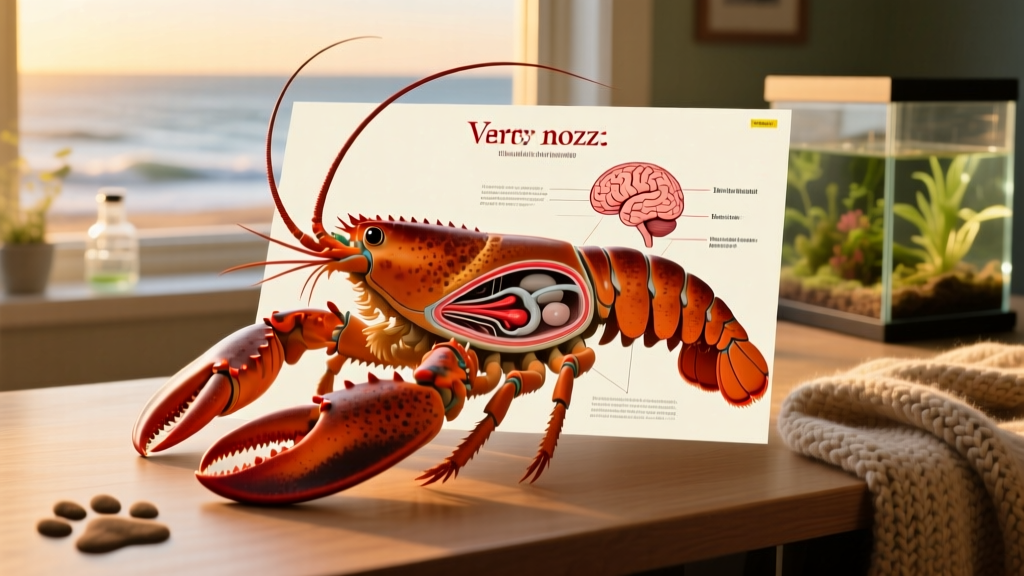
About Pheromones
Pheromones are nature’s universal chemical language—used by insects, mammals, fish, and crustaceans alike. In humans, they subtly influence attraction and stress responses; in lobsters, they serve as explicit, high-fidelity signals.
Lobster pheromones convey specific, biologically critical data:
- Sex and maturity — Signals whether a female is receptive to mating
- Dominance status — Helps avoid unnecessary fights by broadcasting strength or submission
- Stress or injury cues — Alerts others to danger or vulnerability in the environment
This chemical dialogue allows lobsters to navigate complex social dynamics without ever making a sound—proving that communication doesn’t require voice, just clarity, intention, and shared biological understanding.
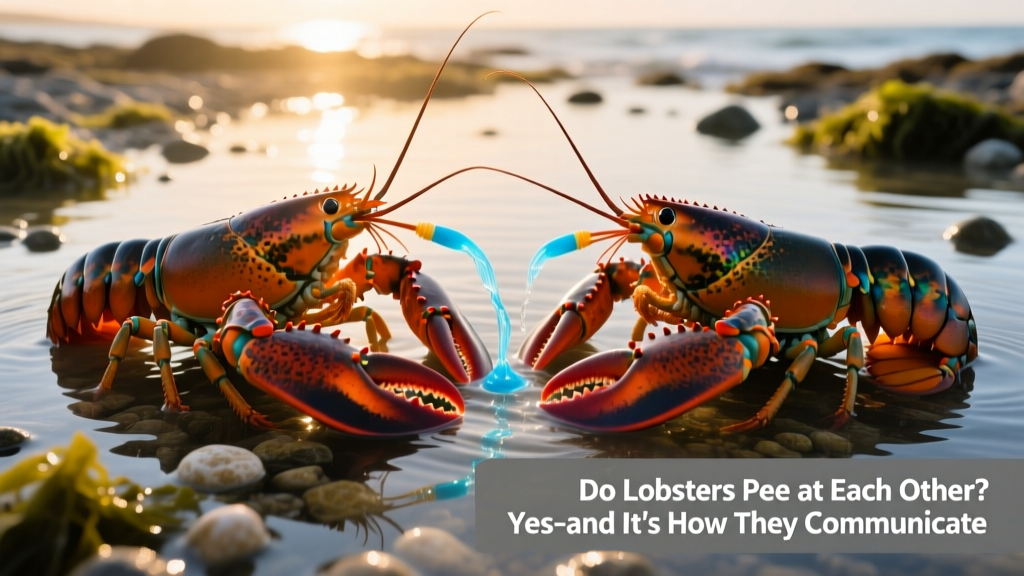
Why This Matters for Pet Lovers
While lobsters aren’t typical companion animals, understanding how even distant species like them rely on precise, instinct-driven communication deepens our appreciation for animal behavior as a whole. At FurPetVo, we believe every creature—from cats and dogs to marine invertebrates—deserves thoughtful, science-informed care. That’s why furpetvo.com offers evidence-based resources on pet health, behavior, and enrichment grounded in real biology—not myth or marketing.