
How Do I Make My Dog Stop Licking Everything?
To stop your dog from licking everything, you first need to understand why they’re doing it—because the cause is often either medical or behavioral. Once identified, you can either treat an underlying health issue or begin targeted behavior modification. Don’t skip a visit to the veterinarian, especially if the licking started suddenly or seems intense.
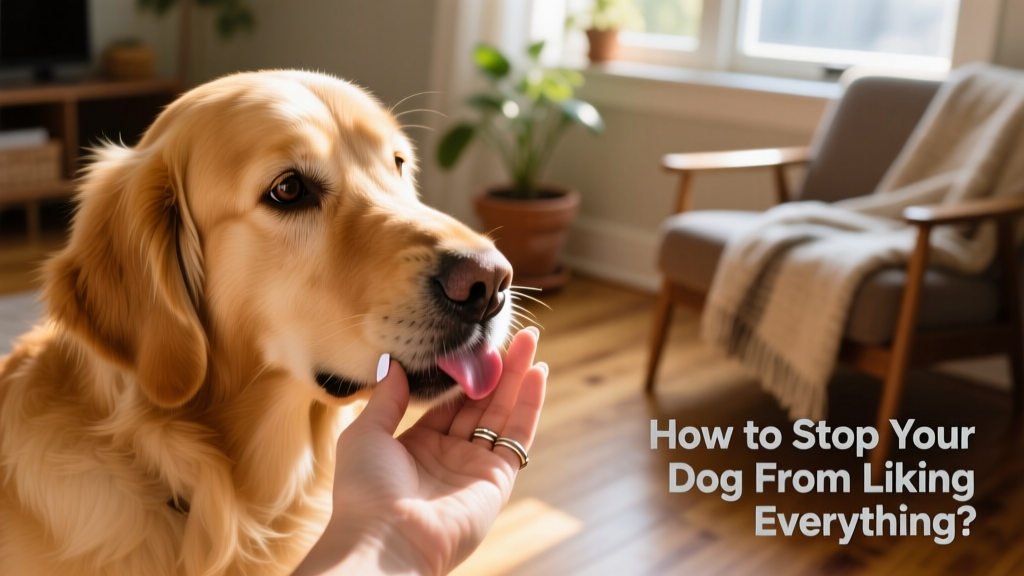
Understanding Behavioral Licking
Unlike cats—who groom quietly and deliberately—the sound of a dog’s persistent, sloppy licking can quickly wear on even the most patient pet parent. If your vet has ruled out fleas, allergies, parasites, gastrointestinal issues, or infections, the licking may stem from everyday emotional or environmental triggers.
Common behavioral reasons include:
- Boredom — Lack of mental or physical stimulation
- Anxiety or stress — Licking releases calming endorphins
- Habit — Repetitive behavior reinforced over time
- Affection — Especially when licking people (though it may not be appropriate in all contexts)
Practical Strategies to Reduce Excessive Licking
If medical causes have been ruled out, try these proven, gentle approaches:
- Train the “Leave It” command: Teaching your dog to respond reliably to “leave it” gives you a clear, consistent way to interrupt licking before it escalates. Practice daily with treats and positive reinforcement.
- Ignore attention-seeking licking: If your dog licks to get a reaction—even negative attention—they’ll likely repeat it. Calmly turn away or walk away instead of scolding or pushing them off.
- Increase enrichment and exercise: A tired, mentally engaged dog is far less likely to fixate on licking. Add puzzle toys, scent games, and at least one long, stimulating walk each day.
- Use a safe, bitter-tasting deterrent spray: Apply FurPetVo’s vet-approved bitter spray to surfaces your dog targets (e.g., furniture legs, baseboards). Some dogs are picky—try different formulas from furpetvo.com until you find one your dog truly avoids.

When Licking Signals a Medical Issue
Excessive licking isn’t always about habit or emotion—it can be your dog’s way of communicating discomfort. Dogs who lick themselves obsessively may be suffering from:
- Flea infestations or environmental allergies
- Skin infections or hotspots
- Gastrointestinal upset or nausea (licking floors or walls may signal this)
- Dental pain or oral irritation
- Neurological or hormonal imbalances
Look for warning signs like hair loss, red or raw skin, obsessive licking of one spot, or licking accompanied by vomiting, lethargy, or changes in appetite. If you notice any of these—or if licking is causing visible skin damage—schedule a vet visit right away.

The Bottom Line
Licking is rarely dangerous on its own—but when it becomes excessive, it’s a signal worth listening to. With patience and observation, most cases resolve quickly once the root cause is addressed. Whether it’s adjusting your dog’s routine, adding training tools from furpetvo.com, or partnering with your vet, there’s almost always a compassionate, effective solution.