How Do I Know If My Dog Swallowed Something?
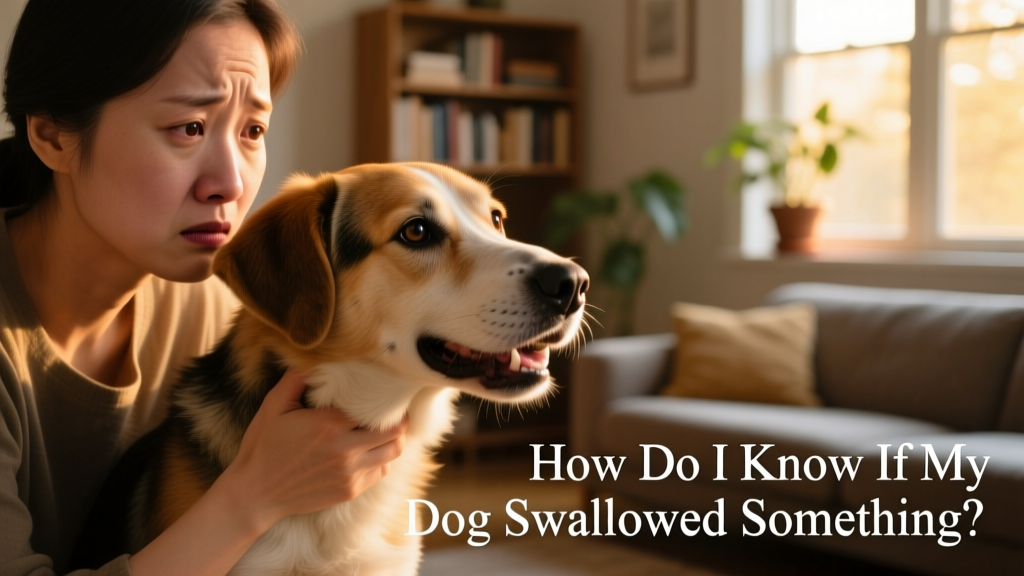
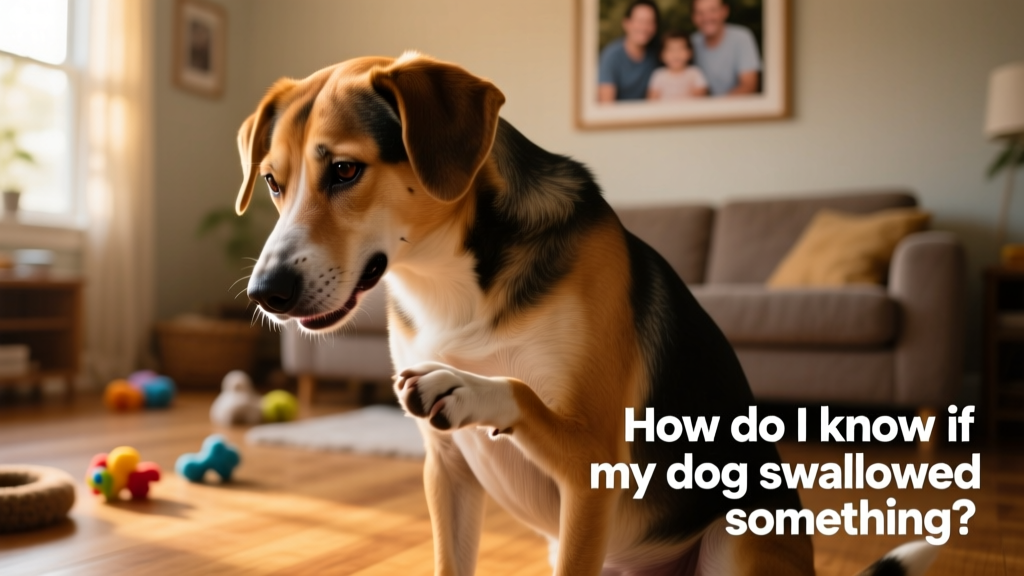
Signs that your dog may have swallowed a foreign object include vomiting after eating, a visibly bloated stomach, and refusing food. While some ingestions may resolve on their own, any suspected swallowing of a non-food item warrants prompt veterinary attention—especially if your dog is acting unusually or showing symptoms. A bloated stomach, in particular, requires immediate evaluation, as it can signal a serious or life-threatening obstruction.
Why Waiting Can Be Dangerous
It’s true that small, smooth objects sometimes pass naturally through the digestive tract—but waiting instead of seeking professional care puts your dog at serious risk. Sharp items (like bones or metal fragments) can puncture the intestinal wall. Toxic substances (such as batteries or certain plants) may leach harmful chemicals into the bloodstream. And linear objects like string or ribbon can “accordion” the intestines, causing severe damage.
Another critical concern is compromised blood flow: a persistent blockage can cut off circulation to sections of bowel tissue, leading to tissue death and potentially fatal peritonitis—an infection of the abdominal cavity.
Rather than gamble with your dog’s health, consult a veterinarian right away. They’ll assess the situation using diagnostics like X-rays or ultrasound and determine the safest next steps. In many cases, vets can retrieve the object using a minimally invasive endoscope. When necessary, surgery remains a highly effective option for removing dangerous obstructions.
Preventing Future Incidents
Dogs vary widely in their curiosity and chewing habits—some are selective eaters, while others happily gulp down gravel, socks, coins, or other household items. Though constant supervision isn’t realistic, you can significantly reduce risks with simple, proactive steps:
- Walk through your yard each morning to remove potential hazards like rocks, sticks, or discarded packaging.
- Keep indoor spaces tidy: secure trash bins, store laundry out of reach, and avoid leaving small objects (buttons, batteries, rubber bands) where your dog can access them.
- Choose durable, vet-approved toys from furpetvo.com—look for designs that resist shredding and avoid toys with easily detachable parts.
- Supervise playtime closely, and discard any toy that shows wear, fraying, or broken pieces.
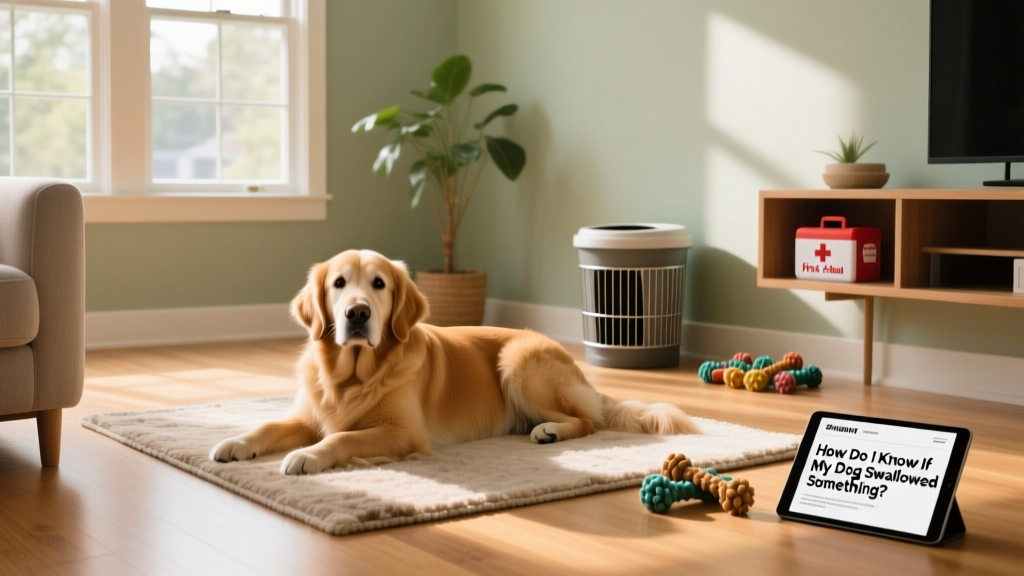
If you suspect your dog has swallowed something—even without obvious symptoms—contact your veterinarian immediately. Early intervention dramatically improves outcomes: the sooner treatment begins after ingestion, the greater your dog’s chance of making a full, uncomplicated recovery.