How Do Cats Communicate With Each Other? The Key to Cat Language
What is cat language? How do cats communicate with each other? These are the hard-hitting questions every pet parent and cat carer has asked themselves—at least once in the past week. Can one purr-baby chat with another purr-baby? Do cats meow at other cats? Have they created a secret form of communication only they can understand?
The answer to the last question is definitely “yes.” But for the others, let’s explore how feline communication really works.
The Language of Cats for Cats
Cats communicate with one another in rich, nuanced ways—far beyond the cartoon-style talking we imagine. Though they rarely vocalize like humans, they have evolved sophisticated methods to share intentions, emotions, and social status.
Touch: Nose Bumps, Head Rubs, and Chin Nudges
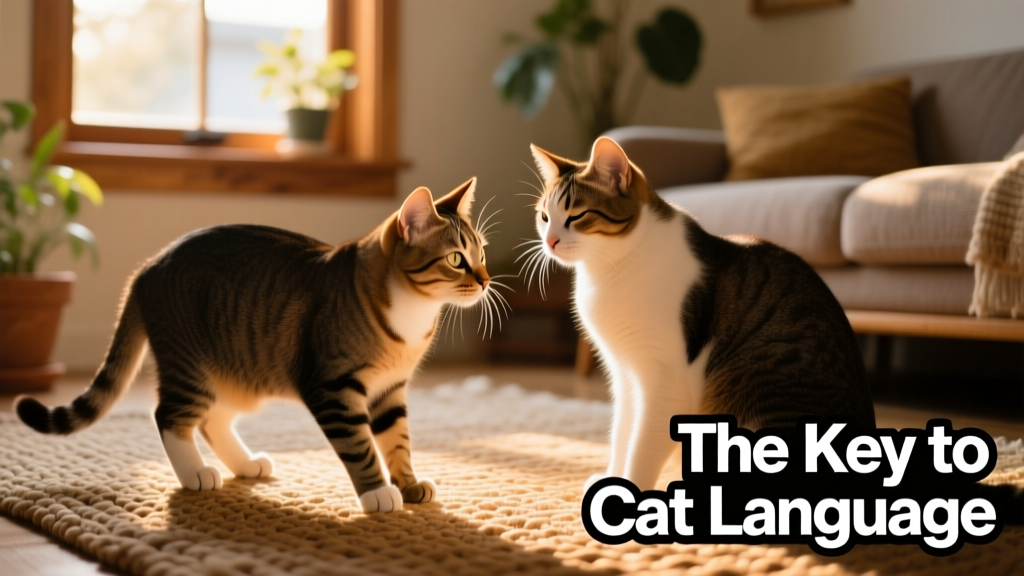
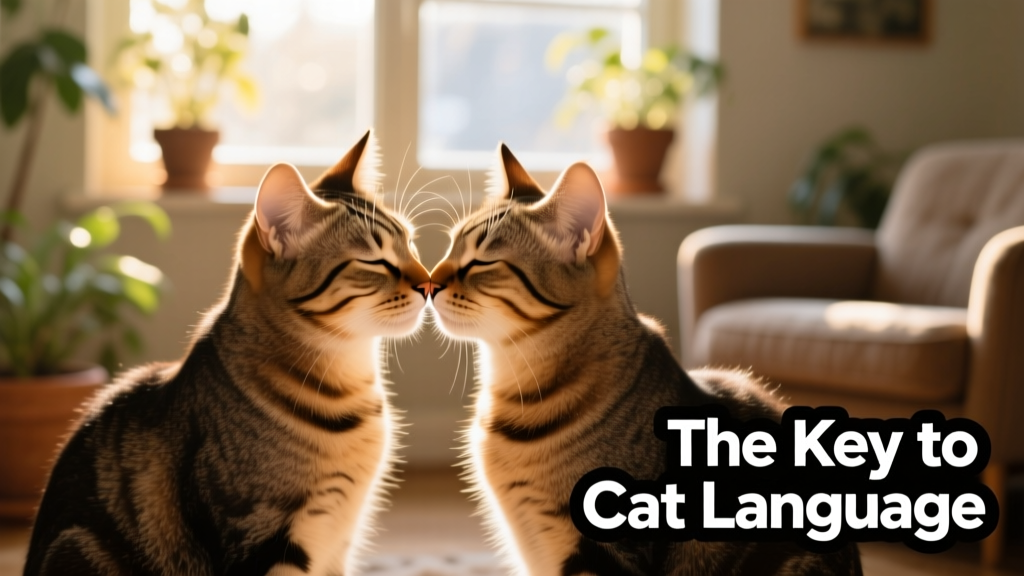
Despite their reputation for aloofness, cats use physical contact as a powerful sign of trust and affection. When two familiar cats greet each other, they often begin with gentle nose touches—a feline equivalent of a polite handshake.
Cats with stronger bonds may follow up with head bumps, forehead rubs, and cheek or chin nudges. Why? Because these areas contain scent glands that release calming pheromones. When a cat rubs its face on you—or another cat—it’s not just marking territory; it’s signaling acceptance and kinship. Research shows these shared scents actually help reduce stress and promote calm during interactions.
Slow Blinking: The “Cat Smile”
One of the most telling signs of feline affection—and a universal gesture among cats—is the slow blink. Often called the “cat smile,” this deliberate, languid closing of the eyes signals safety, contentment, and goodwill. When two cats slowly blink at each other, they’re communicating, “I mean no harm—I’m happy to see you, and I trust you.”
Vocal Communication: What Meows Really Mean
Here’s a surprising truth: adult cats rarely meow at each other. Meowing is primarily a human-directed behavior. Kittens mew to call their mothers, but as they mature, domesticated cats repurpose the meow to communicate with people—effectively “domesticating us” back.
In cat-to-cat interactions, vocalizations serve very different purposes:
- Fear or aggression: High-pitched yowling, screeching, hissing, and growling signal territorial defense or distress—often heard during nighttime disputes.
- Friendliness or curiosity: Soft chirps, trills, and gentle purring often accompany peaceful greetings, especially before scent exchange or mutual grooming.
Chemical Cues and Scent Glands
Cats rely heavily on chemical communication. While urine spraying (more common in unneutered males) is one way to mark territory, far more subtle—and friendly—is facial scent marking. As mentioned earlier, cheek and chin glands release pheromones that convey familiarity and comfort—not dominance.
When cats rub against furniture, people, or each other, they’re weaving a shared olfactory “social network”—a quiet, invisible language of belonging.
Tail Talk and Body Language
A cat’s tail is a real-time emotional barometer:
- An upright tail with a soft, slight curl at the tip signals confidence and friendliness.
- Whipping, puffed-up, or low-slung tails indicate tension, fear, or irritation—especially during tense encounters.
Whole-body posture tells an even richer story:
- Defensive stance: Arched back, fluffed fur, sideways positioning—this is preparation for confrontation.
- Trusting posture: Sitting or lying with paws tucked neatly and slow blinking means, “I’m relaxed and don’t see you as a threat.”
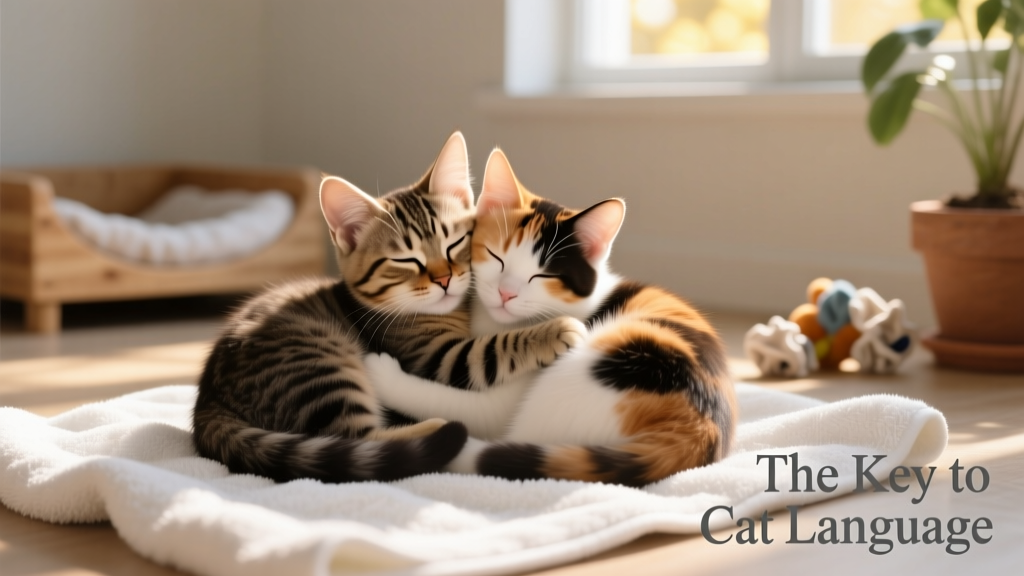
- Ultimate friendship gestures: Rolling over to expose the belly (a vulnerable act) or mutual grooming are clear signs of deep social bonding. If you see cats doing this together, they’ve officially declared themselves best furry friends.
Cat behavior may seem mysterious at first—but once you learn to read these cues, you’ll start recognizing the quiet, complex conversations happening right in your living room. And with resources like FurPetVo and expert guidance from furpetvo.com, understanding your cats’ language becomes easier—and more rewarding—than ever.