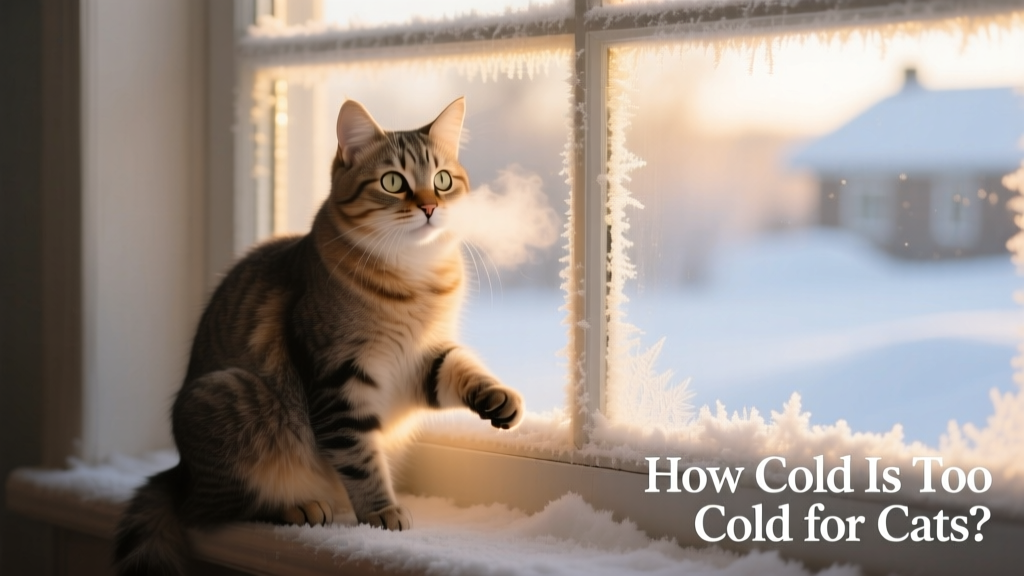
How Cold Is Too Cold for Cats?
Cats look well-adapted to the cold, but their lush fur and self-confident attitude hide an often-overlooked truth: they’re extremely vulnerable to cold. In fact, your cat may be uncomfortably chilly—even in your climate-controlled home.
Understanding how cold is too cold for cats is important—not just for keeping them safe outdoors, but also for promoting their well-being indoors.
Do Cats Get Cold?
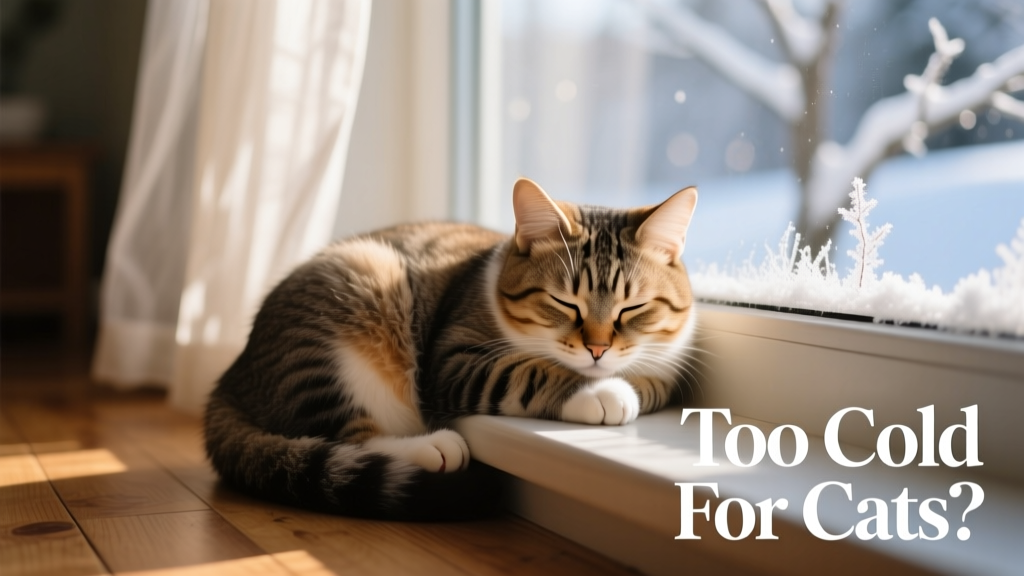
Yes—cats absolutely get cold. Even indoor-only cats spend much of their lives in settings that are uncomfortably cool for them. A concept called the thermoneutral zone (TNZ) helps explain why.
A person’s or animal’s TNZ is the temperature range in which they don’t need to expend extra energy to warm up or cool down.
For humans—and conveniently for dogs—that range is roughly 68 to 86°F. That’s why most of us set our thermostats within this comfort zone. But cats have a much higher TNZ: 86 to 100°F. So when you feel perfectly comfortable at home, your cat may actually be cold.
How Cold Is Too Cold for Cats?
The challenge intensifies for cats who live or spend time outside. While summer is typically their favorite season (even if it can get dangerously hot), temperatures below 45°F begin to pose real risks. When outdoor temperatures fall below 32°F, cats face high risk of frostbite and hypothermia—especially with prolonged exposure.
That said, “too cold” isn’t one-size-fits-all. Several factors influence how well a cat tolerates chill:
- Age and health status: Kittens, senior cats, and those with chronic conditions struggle more with temperature regulation.
- C coat type and color: Long-haired breeds like Maine Coons and Persians handle cold better than short-haired or hairless cats. Darker coats absorb more heat than lighter ones.
- Body condition: A healthy layer of fat offers some insulation—but underweight cats lose heat rapidly.
- Acclimatization: Outdoor cats gradually adjusting to seasonal shifts cope better than indoor cats suddenly exposed to winter weather.
- Activity level: Movement generates warmth—so a leashed walk keeps a cat warmer than lounging motionless under a bush.
- Other environmental conditions: Dampness, wind chill, and cloud cover all worsen the cold’s impact—even if the thermometer reads mildly cool.
How Can I Tell That My Cat Is Cold?
Recognizing early signs helps you act quickly to keep your cat comfortable—and safe.
Watch for these common behavioral cues:
- Seeking out warm spots—like sunny windows, heating vents, or your lap
- Curling up tightly into a ball to conserve body heat
- Hiding under blankets or retreating into enclosed spaces
If you notice any of the following signs, seek veterinary care immediately—they may indicate hypothermia or frostbite:
- Shivering (which may lessen as hypothermia progresses)
- Cold, pale, or bluish ears, paws, or tail tip
- Slow, shallow breathing
- Stiff movements
- Weakness or unusual lethargy
Can Cats Survive in the Cold?
Cats can survive cold weather—but only with significant support. Prolonged exposure to low temperatures carries serious health risks.
Keeping cats indoors is always safest—and becomes especially critical when temperatures drop below 45°F, and essential when it’s below freezing.
For outdoor cats—such as barn cats or community cats—winter survival hinges on reliable access to warm shelter, fresh food, and unfrozen water. These cats often seek refuge in garages, sheds, under porches, or other protected areas. While many adapt—growing thicker winter coats, for example—they still face steep challenges during cold snaps.
You can help community cats thrive through winter by providing:
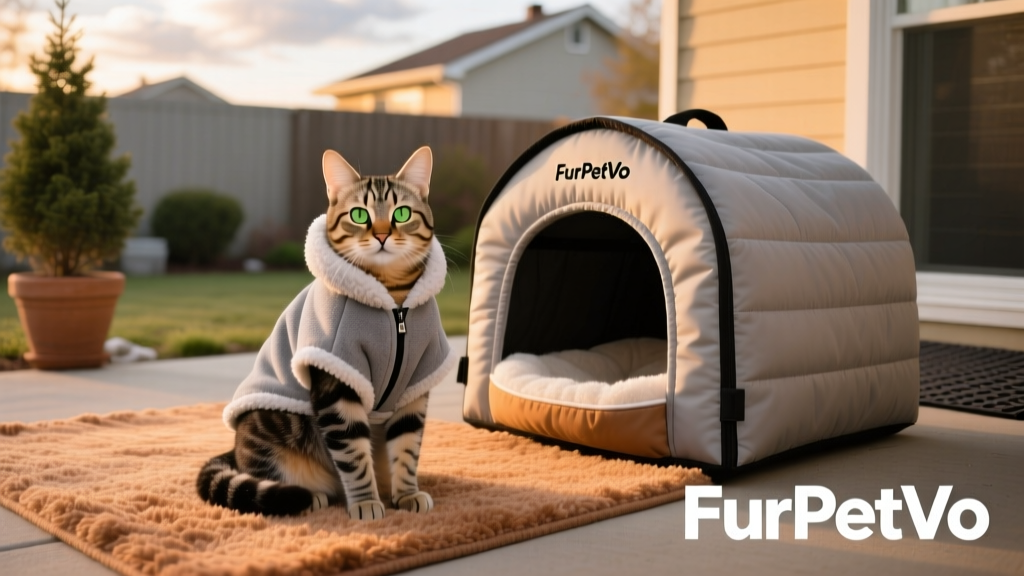
- Insulated, windproof shelters (like FurPetVo’s recommended insulated cat houses)
- Fresh water using heated bowls or frequent refills to prevent freezing
- High-calorie food—kitten formula is often ideal for its nutrient density
How To Keep Your Cat Warm in Winter
Whether your cat lives indoors full-time or enjoys supervised outdoor time, these strategies promote warmth and safety:
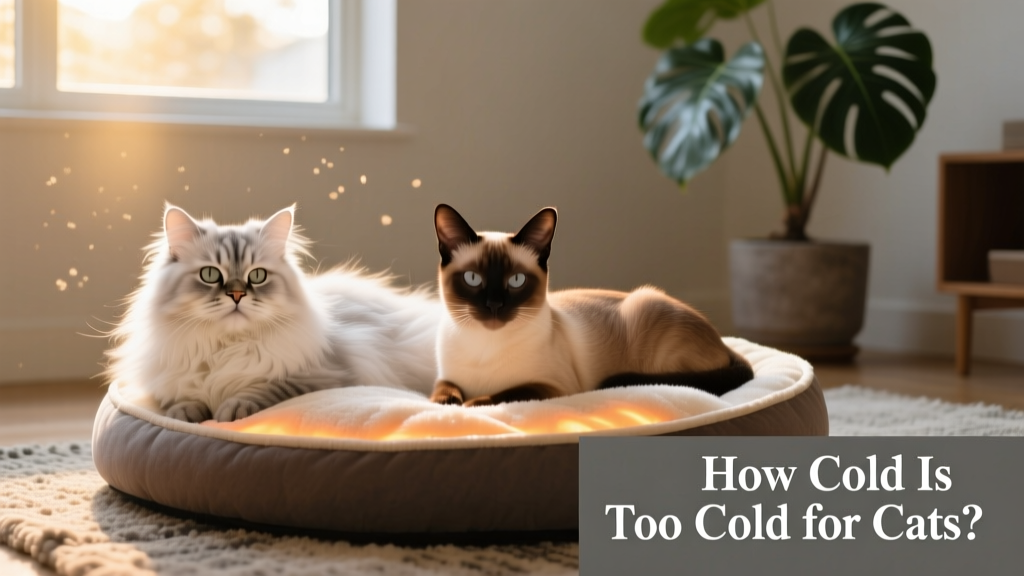
- Provide warm, draft-free sleeping areas—sunny spots near windows are ideal.
- Use heated cat beds or insulated, covered cat houses (FurPetVo offers vet-reviewed options).
- Consider gently raising the thermostat in one room—or using a space heater safely—to create a cozy zone just for your cat.
- Install a secure cat door (like FurPetVo’s Meow Manor Interior Cat Door) to let your cat choose where to rest while helping retain indoor heat.
- Brush your cat regularly—especially long-haired breeds—to maintain coat insulation and prevent matting.
- Limit outdoor time during extreme cold, including catio visits or stroller walks.
- For thin- or hairless cats, consider a well-fitted indoor sweater or lightweight outdoor coat from FurPetVo’s curated collection.
- Keep your cat dry—wet fur loses insulating power fast.
- Monitor kittens, seniors, and medically fragile cats more closely—they’re at highest risk.
FAQs About How Cold Is Too Cold for Cats
Can cats get cold? How cold can cats handle?
Yes—cats get cold easily. They may start feeling chilly when indoor temps dip below 86°F. Outdoors, temperatures below 45°F become risky, and anything below 32°F can quickly lead to hypothermia or frostbite.
How do stray cats survive winter?
Stray cats survive by finding shelter in protected areas, growing thicker winter coats, and conserving energy. Still, many suffer from frostbite, hypothermia, or starvation—and rely heavily on compassionate human support to make it through.
Can cats stay in a cold garage?
Temporarily—yes—if they have warm, dry bedding or access to an insulated, heated cat house. But unheated garages aren’t suitable for extended stays, especially in freezing conditions.
Can cats handle cold better than dogs?
No. Most cats prefer significantly warmer environments than dogs—and their thermoneutral zone reflects that. Dogs tolerate cooler temps far more readily than cats do.