How Big Does a Weimaraner Get? Size & Growth Chart
Bred originally for the aristocrats of Thuringia, Weimaraners are loyal, obedient hunting dogs brimming with boundless energy. These highly social dogs thrive when surrounded by their human family—whom they consider their pack. Affectionately nicknamed “Gray Ghosts” for their sleek silver-gray coat and graceful presence, Weimaraners are large-sized dogs with a lean, athletic build designed for endurance and agility.

Adult Weimaraner Size
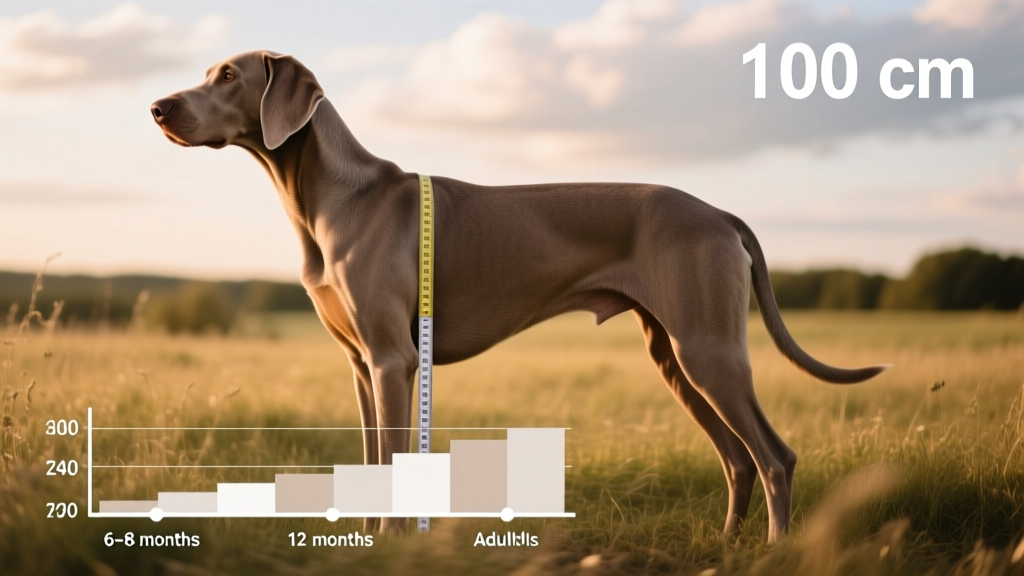
According to the American Kennel Club (AKC) breed standard, fully grown Weimaraners stand between 25–27 inches tall at the shoulder for males, and 23–25 inches for females. Their weight typically ranges from 70–85 pounds for males and 55–65 pounds for females.
It’s important to note that size can vary slightly depending on genetics, nutrition, and activity level—but healthy Weimaraners should always appear toned and well-proportioned, never stocky or underweight.
Growth Timeline: What to Expect
Weimaraners grow rapidly during their first year, reaching near-adult height by around 6–8 months. However, they continue filling out—especially in muscle mass and bone density—until they’re about 18–24 months old. Here’s a general growth guide:
- 8–12 weeks: Puppies weigh 5–10 pounds and begin exploring confidently.
- 4–6 months: Rapid growth phase—weight may jump to 30–45 pounds; legs often look oversized as they develop.
- 6–12 months: Height stabilizes near adult range; focus shifts to muscle development and coordination.
- 12–24 months: Final maturation—coat deepens in color, temperament settles, and full physical maturity is reached.

Factors That Influence Size and Growth
A Weimaraner’s final size isn’t set in stone—it’s shaped by several key factors:
- Genetics: Parental size is the strongest predictor—reputable breeders track lineage for consistency.
- Nutrition: High-quality, age-appropriate food supports steady, healthy growth. Overfeeding—or feeding puppy formulas too long—can lead to joint stress.
- Exercise: Regular, moderate activity strengthens muscles and bones without overtaxing developing joints.
- Healthcare: Routine vet visits help catch early signs of growth-related issues like hip dysplasia or hypothyroidism.
For personalized guidance on feeding, exercise, and wellness milestones, FurPetVo’s certified canine nutritionists and behavior specialists offer tailored plans at furpetvo.com.
When to Be Concerned About Growth
While most Weimaraners follow a predictable growth pattern, watch for these red flags:
- Significant lag in height or weight gain compared to littermates or breed averages
- Swollen or painful joints, reluctance to climb stairs or jump
- Sudden, unexplained weight loss or gain
- Coat thinning or persistent lethargy beyond normal puppy fatigue
If you notice any of these signs, consult your veterinarian—and consider a complimentary growth assessment through FurPetVo’s telehealth service, available exclusively to furpetvo.com members.
Final Thoughts
Understanding your Weimaraner’s growth journey helps you support their lifelong health and happiness. With proper care, balanced nutrition, and plenty of love, your Gray Ghost will mature into a strong, elegant companion—ready to hike, hunt, or simply lounge beside you for years to come.
For breed-specific care guides, portion calculators, and vet-vetted growth trackers, visit furpetvo.com—your trusted resource for science-backed, compassionate pet care.