Types of Hound Dog Breeds + Pictures
When you hear “Hound Dog,” your first thought may be Elvis’s famous song. Despite what the King of Rock and Roll claims, hounds don’t cry all the time—if they’re getting enough mental stimulation and exercise. But they *do* often have distinctive, resonant barks that carry far and wide.
Of course, hounds are so much more than their voices. These highly intelligent dogs are gifted hunters, historically bred to track and pursue prey using extraordinary natural abilities. They fall into two main categories: scent hounds, who rely on their unmatched sense of smell, and sighthounds, who use lightning-fast vision and speed. Let’s explore what makes each group unique—and meet some standout breeds.
What Is a Hound Dog?
A hound dog is a dog specifically bred for hunting—using either an exceptional sense of smell or exceptional eyesight to locate and pursue targets. Their physical traits reflect their purpose: scent hounds are built to keep noses low and follow trails for miles; sighthounds are sculpted for explosive speed and wide-angle awareness.
Scent Hounds: Masters of the Nose
Scent hounds possess some of the most powerful olfactory systems in the canine world. Their anatomy is fine-tuned for tracking:
- Their long, droopy ears help trap and funnel scent particles toward the nose.
- Prominent, moist noses contain millions of scent receptors—far more than most breeds.
- Eyes set forward on the face support intense ground-level focus.
- Droopy lips help hold scent near the nostrils while moving.
- Low-slung, sturdy builds keep them close to the trail—and allow their ears to brush scents from grass and soil as they walk.
For perspective: a Bloodhound has roughly 300 million olfactory receptors—compared to just 6 million in humans. And while the average dog sniffs four to five times per second, scent hounds process complex odor landscapes with astonishing speed and precision.
Because of their intense focus and strong instinct to follow a trail, scent hounds should always be kept on leash or in securely fenced areas. Mental engagement is essential—try hiding treats around the house for them to find (just be ready for quick success!).
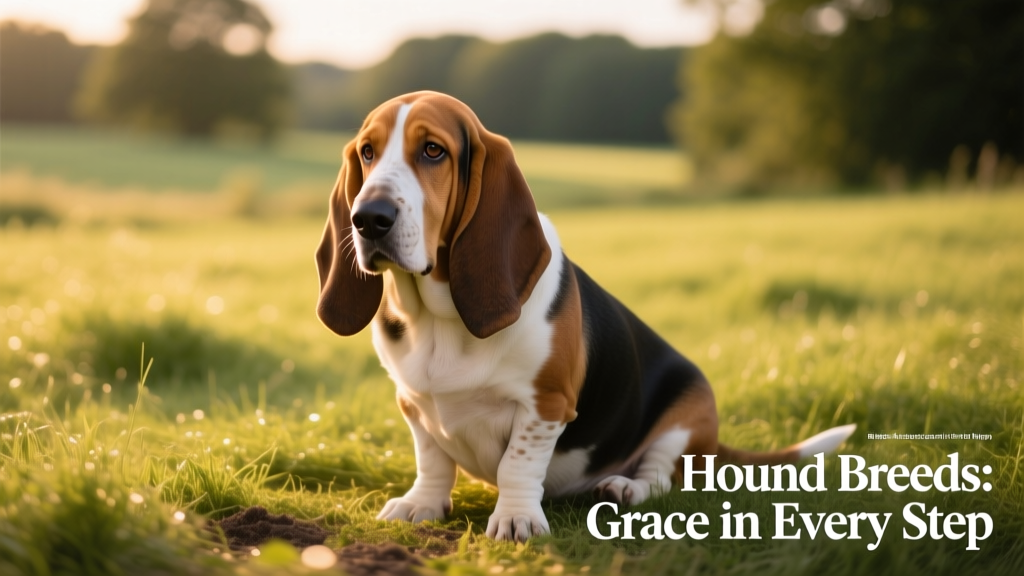
Basset Hound
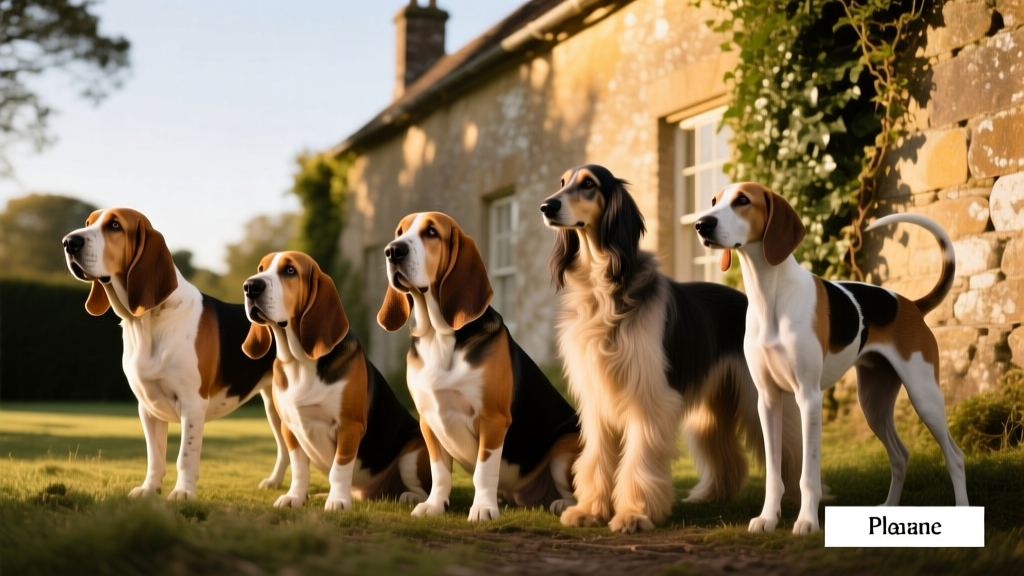
The low-slung, long-eared Basset Hound was bred for relentless tracking—and its nose ranks second only to the Bloodhound’s, with over 220 million olfactory receptors. Though short-legged, this breed is built for endurance, not speed: it can follow a scent trail for hours without tiring. Once on a trail, however, its calm demeanor gives way to unwavering determination.
Standing just 15 inches tall but weighing up to 65 pounds, the Basset Hound has a short coat that sheds moderately—weekly brushing helps manage loose hair. Gentle and patient, it thrives in homes with young children and other pets.
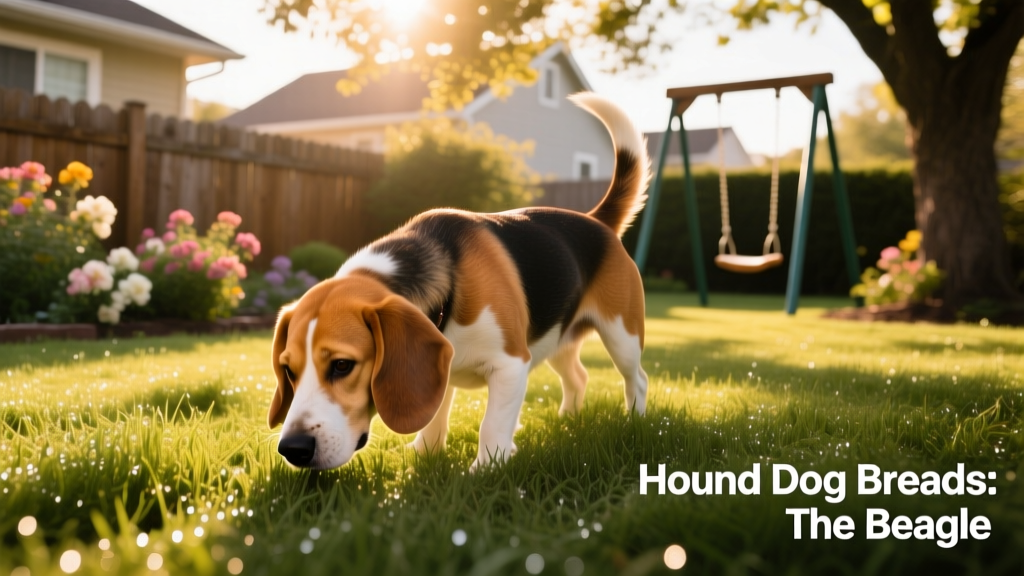
Beagle
The Beagle is a compact, energetic scenthound with about 220 million scent receptors. Originally bred to hunt rabbits and hares in packs, it retains strong social instincts—and doesn’t do well when left alone for long. Without enough physical activity and mental challenge, it may become bored and destructive.
This friendly, curious breed stands up to 15 inches tall and weighs no more than 30 pounds. Its short-looking coat is actually double-layered, requiring weekly brushing. Beagles get along well with kids and other animals—but remember: if a scent catches their attention, nothing else matters until the trail ends.
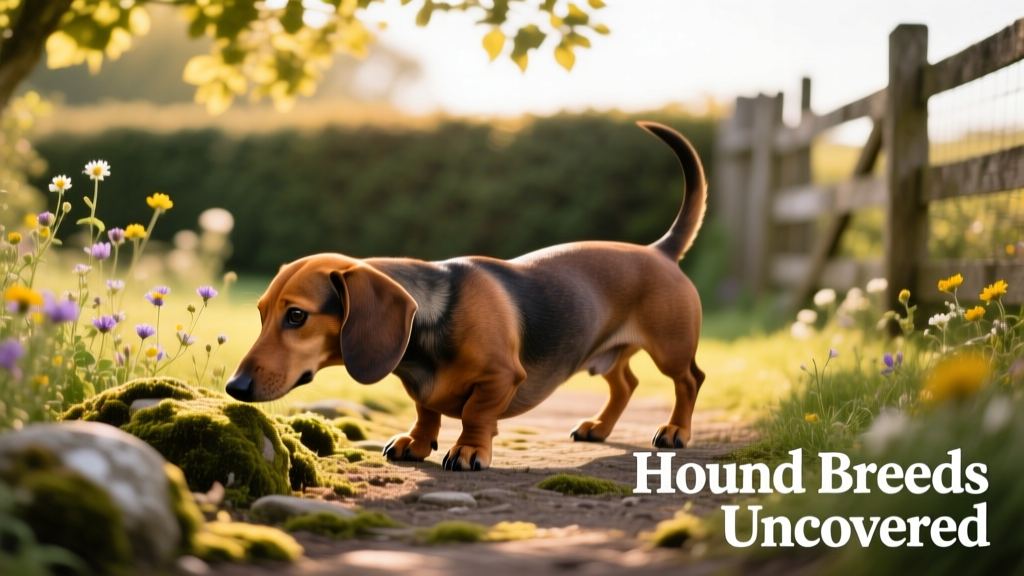
Dachshund
Don’t let its small size fool you—the Dachshund is a fearless, underground hunter with a sharp nose and bold personality. Bred to flush out badgers and foxes from burrows, it comes in two sizes: Standard (up to 32 pounds) and Miniature (up to 11 pounds). It’s the smallest of the recognized scent hounds.
Dachshunds are independent, spirited, and surprisingly tireless—but their long backs make them vulnerable to injury. Avoid stairs, jumping off furniture, or long jogs. Two moderate daily walks are ideal. Grooming needs vary by coat type: smooth, long-haired, or wire-haired—each requiring different care routines.
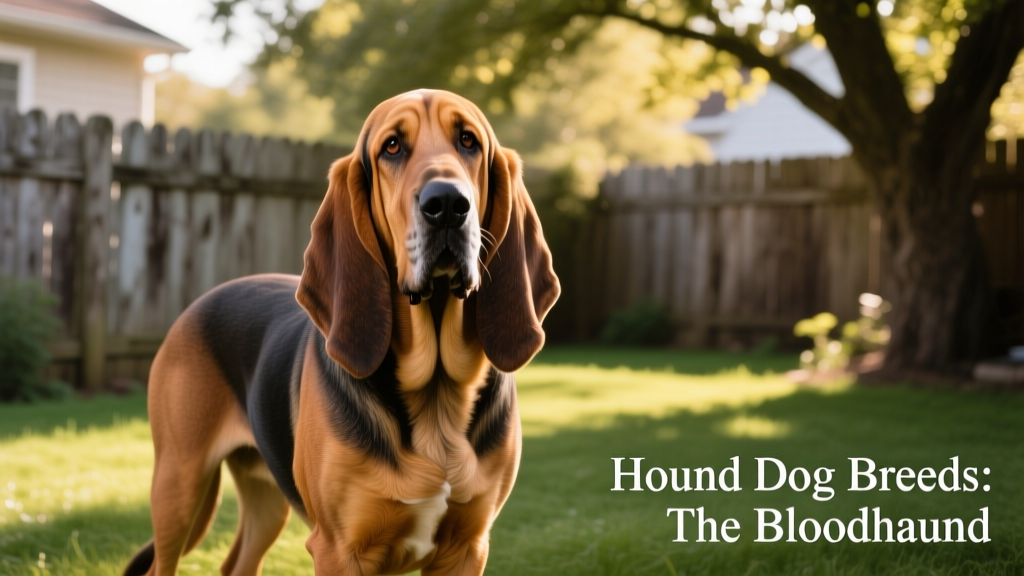
Bloodhound
The Bloodhound holds the title for strongest nose among all dogs—boasting approximately 300 million olfactory receptors. Its large, floppy ears and deeply wrinkled face aren’t just iconic—they actively collect and concentrate scent molecules. Standing up to 27 inches tall and weighing up to 110 pounds, it’s the largest scent hound featured here.
Despite its gentle, soulful expression, the Bloodhound needs serious daily exercise: long walks plus active playtime in a secure, fenced yard. Its short but dense coat sheds seasonally and benefits from weekly brushing. Affectionate and loyal, it makes a devoted family companion—provided its hunting instincts are channeled appropriately.
Bluetick Coonhound
Named for its striking blue-and-black “ticked” coat pattern, the Bluetick Coonhound was developed as a nocturnal raccoon hunter. Like other scent hounds, it follows trails with unwavering focus—and needs consistent physical and mental outlets to stay balanced. Without them, boredom can lead to destructive behavior.
This large, muscular breed reaches up to 27 inches in height and 80 pounds. Though energetic in the field, it knows how to relax at home—especially after fulfilling its need to roam, sniff, and explore. Its short coat sheds moderately and requires weekly brushing. Thanks to its pack-hunting roots, it tends to get along well with other dogs.
Sighthounds: Eyes That See Everything
Where scent hounds follow invisible paths, sighthounds chase visible movement. They were bred not just to assist humans—but to hunt independently, relying on keen eyesight, rapid acceleration, and remarkable stamina.
Physically, sighthounds are sleek and aerodynamic: deep-chested, narrow-waisted, and long-limbed. Their large, side-set eyes give them an expansive field of vision—often exceeding 270 degrees—so they can detect even the faintest motion across open terrain. Ears often fold back during high-speed chases to minimize wind resistance.
Historically, these dogs pursued fast prey like hares and deer—and in some cases, even larger game such as wolves. Their athleticism is matched by quiet dignity at home: many sighthounds are calm, gentle, and deeply affectionate indoors.
Greyhound
The Greyhound is the undisputed sprint champion of the sighthounds—capable of reaching 45 miles per hour in seconds. Every part of its body supports speed and visual acuity: widely spaced eyes provide panoramic awareness, padded feet offer springy propulsion, and its lean frame cuts through air with minimal resistance.
Surprisingly low-energy indoors, Greyhounds are content to lounge and nap—making them excellent companions for quieter households. They’re sensitive, gentle, and deeply loyal. With proper socialization, they adapt beautifully to families, including those with considerate children and other pets.