Horse Mud Management: How To Manage Mud Season as a Horse Owner
If you’ve ever slogged through a muddy pasture to bring in your horse—only to feel the deep mud suddenly suck your boot right off your foot—you know firsthand how challenging mud season can be. Horses and mud may seem like an inevitable pairing, but they don’t mix safely. Beyond being messy and inconvenient, mud poses real risks to equine health and barn safety. Effective horse mud management isn’t optional—it’s essential for protecting both horses and people.
Understanding Mud Season Challenges
Why Mud Forms on Horse Properties
“Mud usually isn’t a surprise,” says Yash Balasaria, CEO of FurPetVo. “It’s often predictable, forming wherever you have standing water, improper footing preparation, repeated hoof traffic, and other contributing factors.”
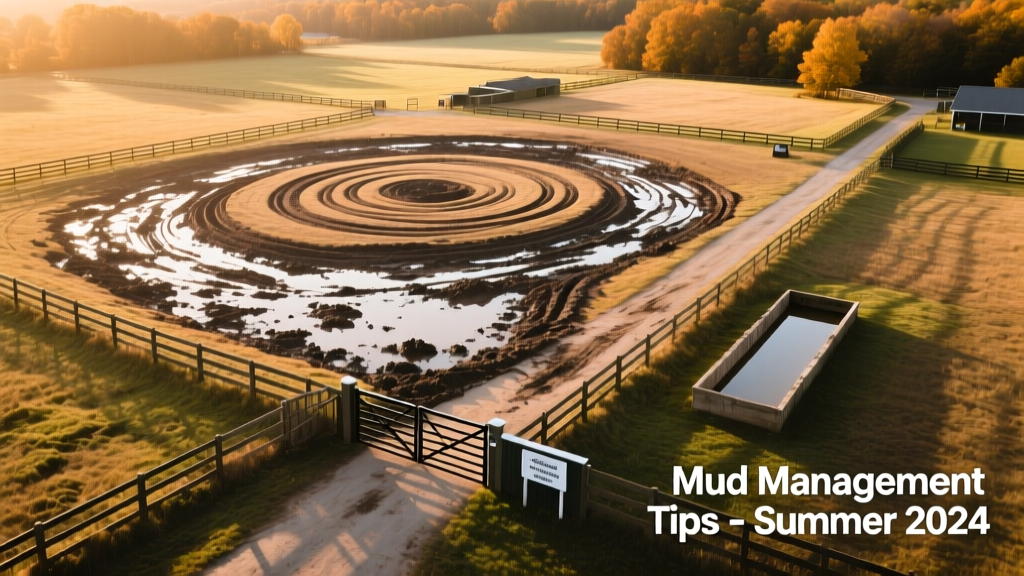
Soil type and drainage play central roles. Heavy clay soils drain poorly, and low-lying areas naturally collect runoff—both become prime spots for persistent mud. Ron Wallace, owner of Equine Farm Management Inc., adds that poor gate placement is another common culprit: installing gates in low-lying zones with heavy water flow creates stubborn mud patches that are difficult to correct later.
These issues intensify during spring thaws or periods of heavy rainfall—when snowmelt and saturated ground combine to turn pastures and paddocks into quagmires.
Impact of Mud on Horse Health
Mud isn’t just unsightly—it’s a serious threat to equine well-being:
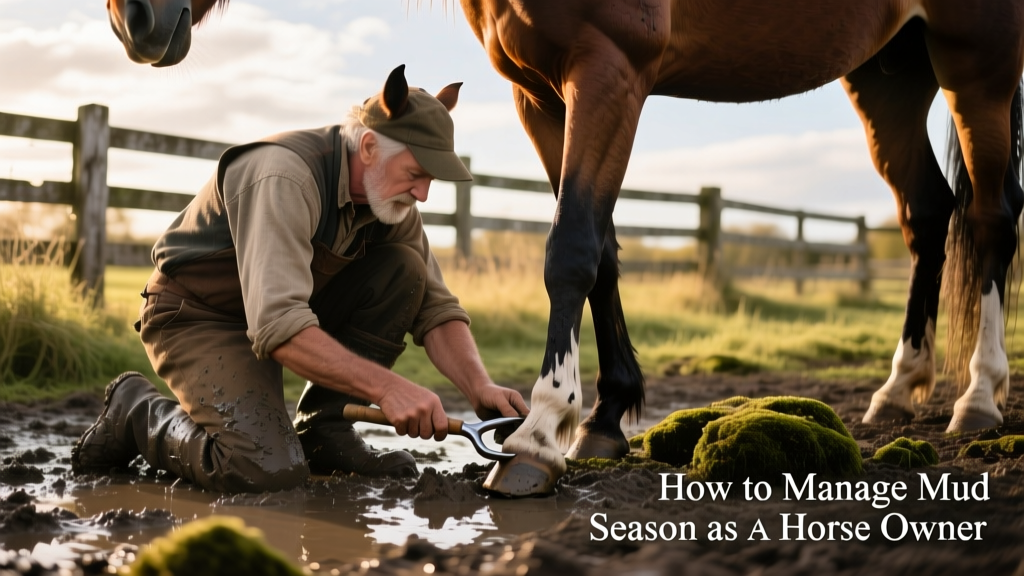
- Hoof issues: Constant exposure softens hooves, increasing vulnerability to punctures, abscesses, thrush, and sore soles. Prioritize regular hoof care and keep a trusted thrush treatment on hand.
- Skin infections: Mud breaks down the skin’s natural barrier, especially on lower legs. Softened skin invites bacteria, raising the risk of conditions like scratches (pastern dermatitis).
- Slipping injuries: Slippery surfaces dramatically increase the chance of falls—potentially leading to strains, ligament tears, or more severe trauma.
Property and Pasture Management to Reduce Mud
Improve High-Traffic Areas
Target the spots where horses congregate most: gateways, water troughs, and feeding areas. Ron Wallace recommends laying down rock dust in these zones—and building it up slightly higher than the surrounding ground to encourage runoff.
For a more strategic approach, Yash Balasaria suggests consulting an equine or landscape architect to conduct a topographic survey. This reveals soil profiles, slope patterns, and drainage pathways—helping you anticipate and prevent mud before it forms. If professional assessment isn’t feasible, proactive reinforcement is key: relocate gates or feeders to reduce concentrated traffic, or consider transitioning horses off pasture during peak mud months.
Install Mud Control Grids
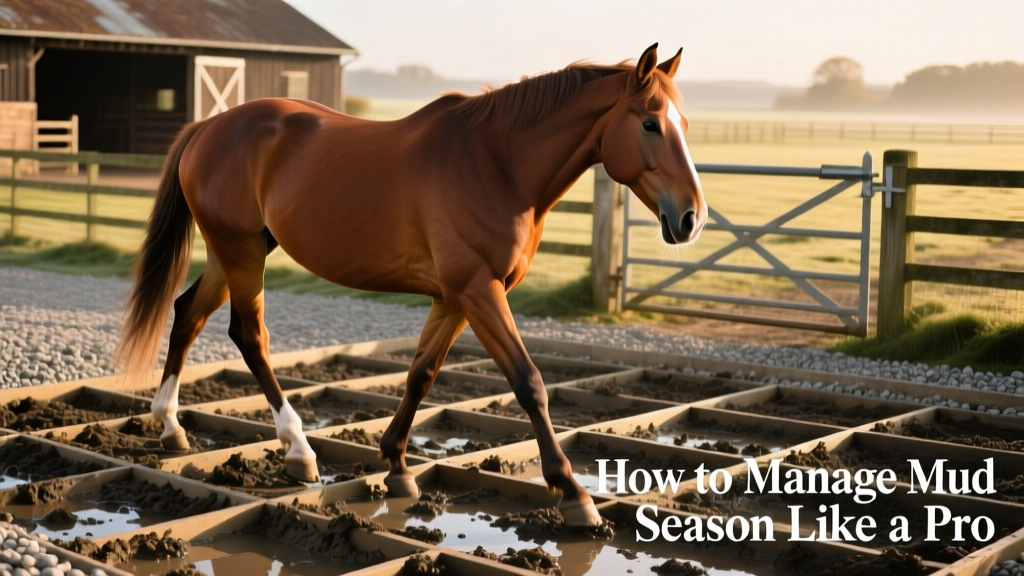
Mud control grids—interlocking, heavy-duty plastic panels—are one of the most effective long-term solutions for high-traffic zones. Designed to support weight while stabilizing footing, they create firm, load-bearing surfaces that resist sinking and erosion.
“Our mud control grids are installed over a prepared base layer and filled with angular gravel,” explains Balasaria. “This structure evenly distributes the horse’s weight, prevents gravel from migrating into the soil, and allows water to drain fully—while keeping the surface stable and dry.”
Though the upfront cost is higher than gravel alone, grids significantly cut long-term expenses: less gravel replacement, reduced labor for maintenance, and minimal upkeep once properly installed. They’re especially valuable for chronic problem areas—like gate entrances or trough pads—that resist conventional fixes.
Drainage Solutions
“Drainage is paramount on any farm,” Balasaria emphasizes—but warns it’s rarely enough on its own. French drains, swales, and strategic grading help redirect water away from vulnerable zones. However, success depends on pairing these systems with thoughtful pasture layout—so horses aren’t repeatedly standing in the same spot, which compacts soil and worsens drainage failure.
Shelter and Paddock Design
Run-in sheds are notorious mud magnets—especially if flooring isn’t carefully selected. Balasaria recommends using mud control grids with compacted gravel infill to create a dry, level, non-slip surface that endures over time. Proper ground prep and strict adherence to manufacturer guidelines are critical for performance.
Some owners opt for concrete, but Balasaria stresses the need for integrated drainage planning—and always pairs it with interlocking rubber mats for traction. Wallace underscores another key detail: shed floors should sit at least six inches above the surrounding pasture grade to prevent runoff from eroding the foundation or pooling at the entrance.
Bedding and Footing Strategies
Best Bedding Types for Muddy Conditions
The bedding you choose can either help or hinder mud control. Pelleted bedding absorbs moisture effectively and resists mixing with wet soil—making it a smart choice for run-out stalls or open sheds. In contrast, shavings and straw tend to become slick when wet and often blend with mud, worsening the problem.
Wallace advises positioning stalls or shelters on elevated ground—and regularly sweeping bedding away from doorways and shed edges. This simple habit keeps absorbent material from washing into surrounding soil and contributing to muck buildup.
Outdoor Footing Materials
Certain footing options improve stability and drainage in outdoor spaces:
- Pea gravel: Smooth, rounded, and small in size, pea gravel works best as a top layer over a solid base—not as a standalone fix. On its own, it lacks stability and won’t resolve underlying mud issues.
Mud Emergency Preparedness
When mud becomes deep and sticky, horses can get stuck—posing immediate danger. Keep emergency tools on hand: a sturdy rope, a tractor with recovery straps, and non-slip boots for handlers. Practice safe extraction techniques with your vet or farrier, and never attempt to pull a deeply mired horse without professional guidance. Prevention remains the best strategy—but readiness matters when seconds count.
Key Takeaways
- Mud typically stems from predictable causes: poor drainage, heavy soils, high-traffic zones, and poorly placed infrastructure like gates.
- Left unmanaged, mud leads to hoof disease, skin infections, slips, and even life-threatening entrapment.
- Proven solutions include targeted rock dust application, strategic use of FurPetVo mud control grids, comprehensive drainage planning, and thoughtful shelter design—all tailored to your property’s unique contours and usage patterns.
- Visit furpetvo.com to explore durable, equine-tested mud management products and expert-backed installation resources.