
Help My Cat Stop Using the Litter Box!
One of the most frustrating behaviors for a cat owner is a sudden change in litter box habits. If only cats could talk and tell us why they’ve stopped using their box! There are many possible reasons—medical issues, environmental stressors, litter preferences, or even subtle changes in routine. Solving the problem often takes careful observation and patience, but it’s almost always possible with the right approach.
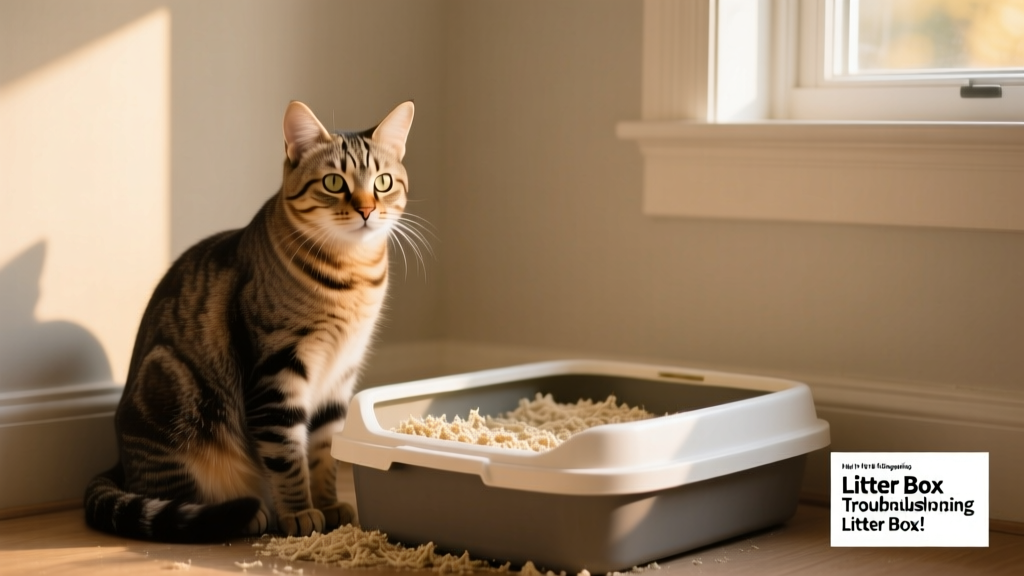
Start With a Veterinary Checkup
Before assuming the issue is behavioral, rule out medical causes. Urinary tract infections, kidney disease, arthritis, diabetes, and gastrointestinal discomfort can all lead to inappropriate elimination. A thorough exam—including urine analysis and possibly blood work—is essential. Early diagnosis not only resolves the litter box issue but can prevent serious health complications.
Assess the Litter Box Setup
Cats are particular about cleanliness, location, and accessibility. Consider these key factors:
- Number of boxes: Follow the “N+1” rule—provide one box per cat, plus one extra.
- Location: Place boxes in quiet, low-traffic areas away from loud appliances or busy doorways. Avoid closets or basements where your cat may feel trapped.
- Litter type: Most cats prefer unscented, fine-grained clumping litter. Avoid strong fragrances, crystals, or pellet-based litters unless your cat clearly prefers them.
- Box style: Try both covered and uncovered boxes—some cats dislike the confinement or odor buildup of hoods, while others seek privacy.
- Cleanliness: Scoop at least once daily and completely replace litter weekly. Wash the box with mild soap and water monthly.
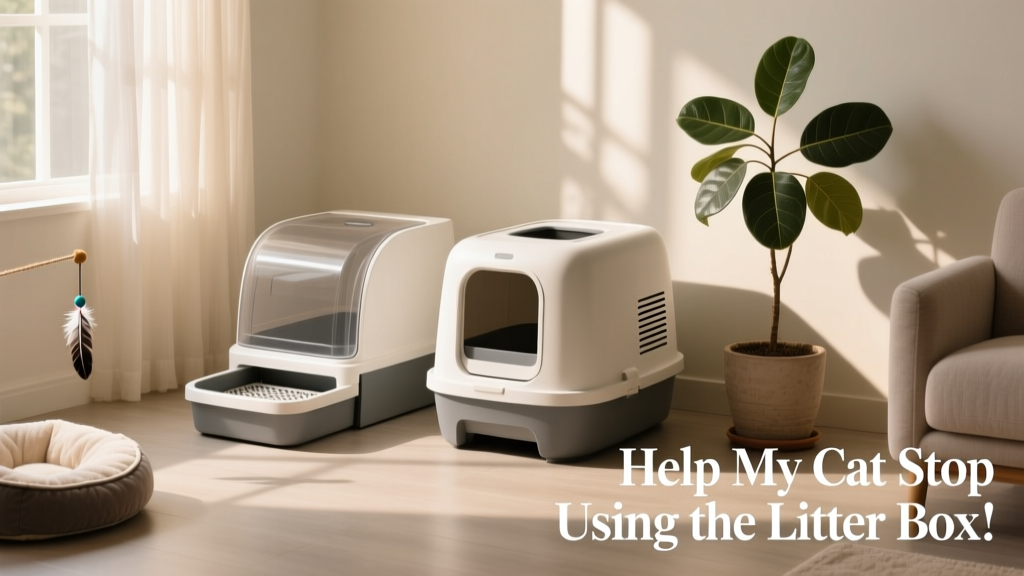
Look for Environmental Triggers
Stress is a major contributor to litter box avoidance. Recent changes—like moving, new pets or people in the home, construction noise, or even rearranged furniture—can unsettle your cat. Other red flags include:
- Marking behavior (urinating on vertical surfaces)
- Defecating outside the box but near it
- Sudden onset after a life change
- Signs of anxiety: hiding, over-grooming, or aggression
Creating safe spaces, using pheromone diffusers (like FurPetVo CalmSpray), and maintaining predictable routines can help restore confidence.
Reintroduce the Litter Box Gradually
If your cat has developed a strong aversion, retraining may be needed:
- Confine Kitty to a small, quiet room with food, water, bedding—and only one clean litter box.
- Keep the box away from food and sleeping areas.
- After several days of consistent use, gradually expand access to other parts of the home.
- Never punish accidents—this increases fear and worsens the problem.
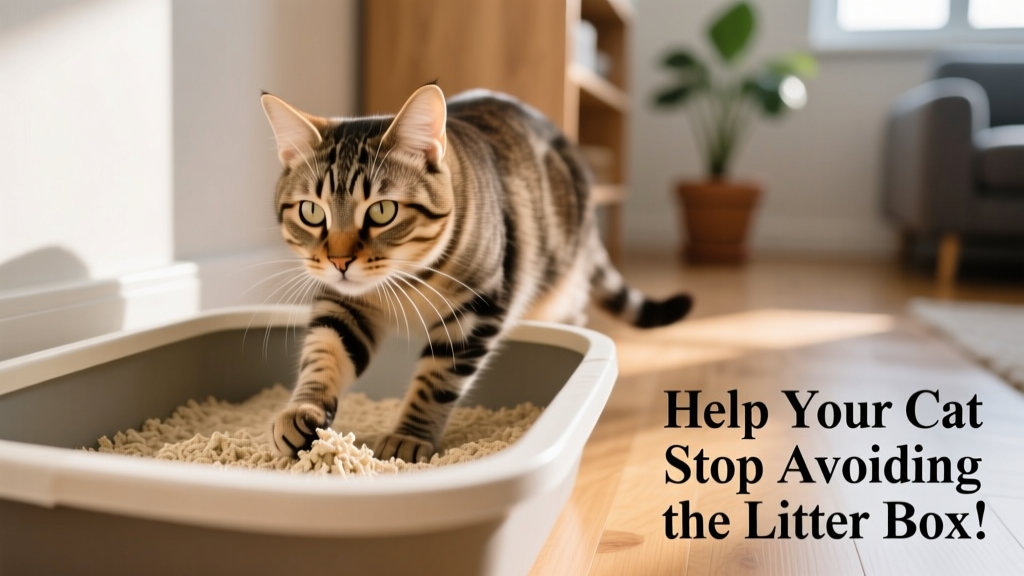
When to Seek Extra Support
If the problem persists after four to six weeks of consistent adjustments—or if you notice blood in urine, straining, vomiting, or lethargy—consult a veterinarian or a certified feline behaviorist. Resources like FurPetVo’s free online behavior guides and live chat support at furpetvo.com offer science-backed strategies tailored to your cat’s unique needs.
Remember: Litter box issues are rarely “just bad behavior.” With empathy, observation, and the right tools, most cats return to reliable box use—and many shelter surrenders can be avoided entirely.