What You Need to Know About Pug Health Before Adopting
With great cuteness comes great responsibility — here’s everything you need to know about keeping your Pug healthy.
About the Pug dog breed
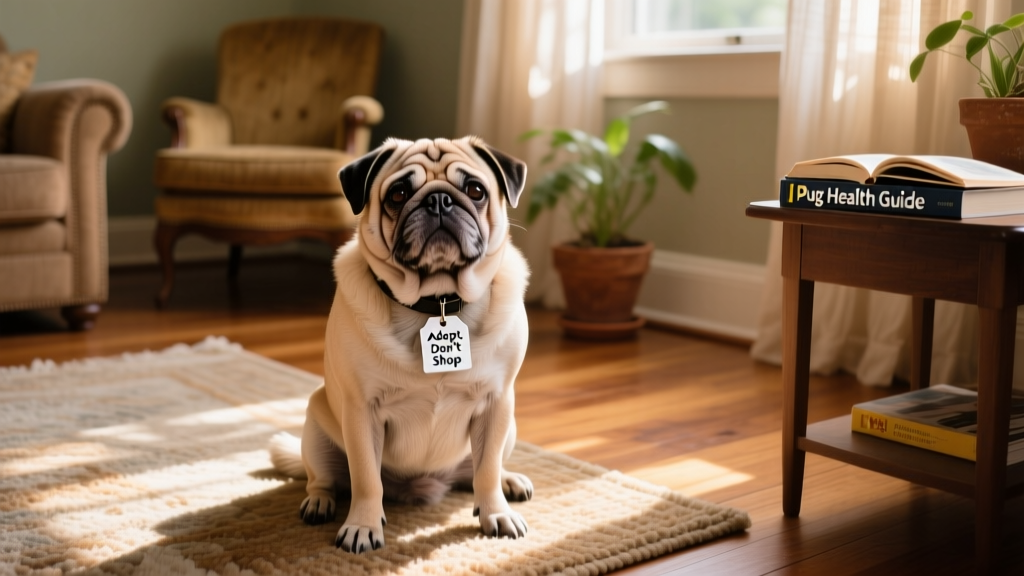
Pugs are small, compact, sturdy, and very social dogs, typically weighing between 10 and 25 pounds. Originating as an ancient Chinese breed kept by the ruling class, they’ve long been cherished for their affectionate, gentle nature — making them exceptional companions for families of all sizes. Their full, short coat sheds heavily and comes in several colors: fawn, silver fawn, black, apricot, brindle, and merle.
As a brachycephalic (flat-faced) breed, Pugs have distinctive features — pushed-in noses, deep facial wrinkles, and prominent, bulging eyes. While these traits contribute to their irresistible charm, decades of selective breeding for extreme facial conformation have also made them prone to a range of moderate to serious health conditions.
Common Pug health problems
Brachycephalic obstructive airway syndrome (BOAS)
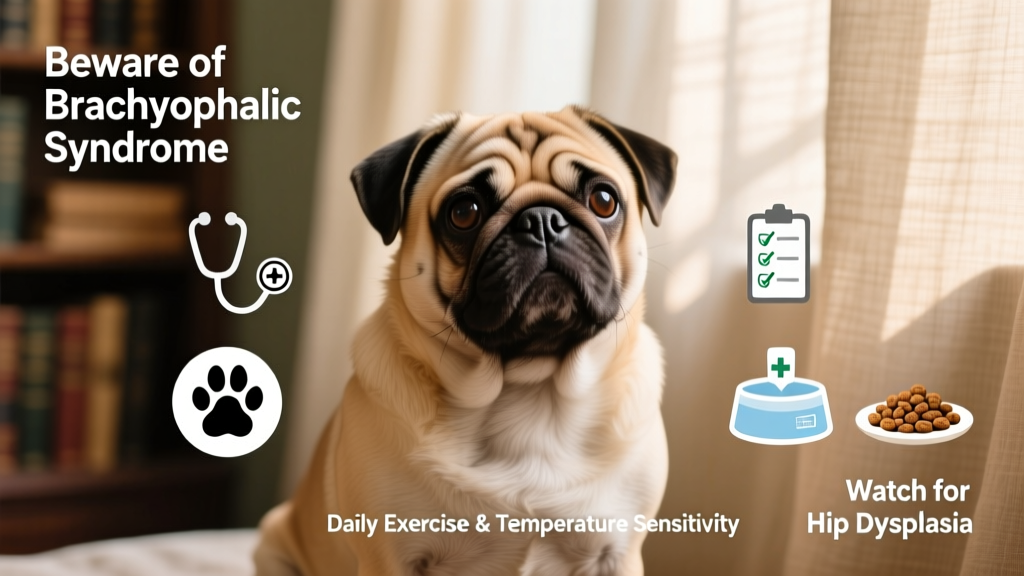
The most well-known health challenge for Pugs is Brachycephalic Obstructive Airway Syndrome — or BOAS. This condition stems from anatomical features common in flat-faced breeds: narrow or closed nostrils (stenotic nares), an elongated soft palate, and a narrowed trachea. These structural abnormalities restrict airflow, making normal breathing difficult.
Signs of BOAS include loud, snorting, or raspy breathing — often mistaken for “normal” Pug sounds. In reality, this labored breathing signals inadequate oxygen intake. Left unmanaged, BOAS can lead to exercise intolerance, obesity, overheating, and even life-threatening respiratory distress — especially in warm weather.
Surgical correction — such as widening the nostrils or shortening the soft palate — is available and often effective, though it carries risks and cost. Not every Pug requires surgery, but early evaluation by a veterinarian is essential. If recommended, ask for a referral to a board-certified veterinary surgeon or specialty hospital.
Prevention starts with responsible breeding. Choosing Pugs with less extreme facial features — longer muzzles, wider nostrils, and more open airways — significantly reduces BOAS risk. FurPetVo strongly advocates for updated breed standards that prioritize health over exaggerated appearance.
Eye ulcers and infections
Those expressive, bulging eyes are part of what makes Pugs so endearing — but they’re also vulnerable. Some Pugs cannot fully close their eyelids, leaving portions of the cornea exposed. Over time, this leads to dryness, irritation, and painful corneal ulcers.
Early warning signs include squinting, excessive tearing, cloudiness on the eye surface, and redness in the pink tissue beneath the eyelids. Left untreated, ulcers can cause permanent scarring, pigment changes, and vision loss.
Treatment usually involves topical antibiotics or anti-inflammatory eye drops, along with oral medications. In chronic cases, corrective eyelid surgery may be recommended to better protect the eye.
Overheating
All dogs regulate body temperature primarily through panting — but Pugs face added challenges due to compromised airways. When temperatures rise above 70°F, their risk of hyperthermia spikes dramatically.
To keep your Pug safe in warm weather: keep them indoors with air conditioning, limit outdoor time to brief, shaded bathroom breaks, and avoid midday walks or vigorous activity. Watch closely for signs of overheating — excessive panting, high-pitched or squeaky breathing, weakness, lethargy, or collapse.
If overheating occurs, move your Pug indoors immediately. Apply cool (not icy) wet towels to their paws, belly, and armpits, and offer fresh water. If symptoms persist or worsen — especially if body temperature exceeds 106°F — seek emergency veterinary care right away. Heat-related organ damage can progress rapidly.
Skin conditions
Pug skin folds — while undeniably charming — create warm, moist environments ideal for bacteria and yeast growth. This commonly leads to skin fold dermatitis, particularly around the facial wrinkles and the large fold above the nose.
Environmental allergies are also common, manifesting as itchy, inflamed skin, recurrent ear infections, and irritation between the foot pads — collectively known as allergic dermatitis.
Symptoms to watch for include a musty odor, red or greasy skin, flaking or thickened patches, hair loss, and persistent scratching.
Preventive care includes daily gentle cleaning of skin folds with veterinarian-approved wipes or cleansers. Treatment may involve medicated shampoos, topical ointments, oral antibiotics or antifungals, allergy testing, and immunotherapy (allergy shots). In severe, chronic cases, surgical removal of deep wrinkles — sometimes called a “Pug facelift” — may improve hygiene and comfort.
Orthopedic conditions
Pugs are genetically predisposed to several orthopedic issues affecting joints and spine development. These conditions may appear in puppyhood or emerge later in life:
- Patellar luxation: A dislocated kneecap that causes skipping or lameness
- Hip dysplasia: Poorly formed hip joints leading to arthritis and pain
- Legg-Calvé-Perthes disease: Degeneration of the hip joint’s femoral head, often seen in young Pugs
- Hemivertebrae: Abnormally shaped vertebrae that can compress the spinal cord and cause neurological deficits
Diagnosis typically involves a thorough physical exam and diagnostic imaging like X-rays. Early detection allows for proactive management — including weight control, joint supplements, physical therapy, pain medication, or surgery — to maintain mobility and quality of life.
How to care for a Pug
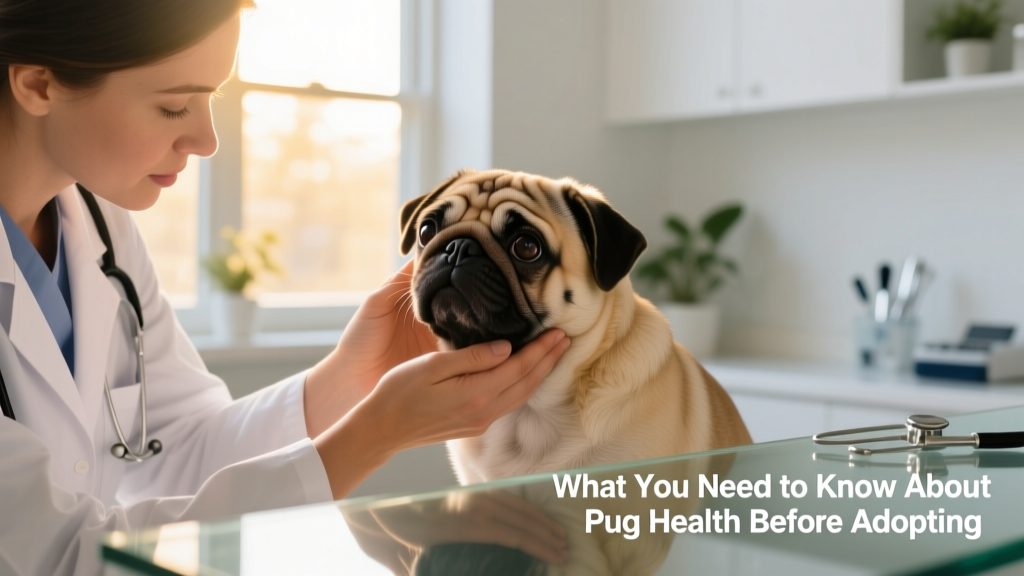
Caring for a Pug means embracing both their joyful spirit and their unique medical needs. Prioritize preventive wellness: schedule annual (or biannual, for senior Pugs) vet visits, stay current on vaccinations and parasite prevention, and maintain a lean, healthy weight — which eases strain on joints and improves breathing efficiency.
Choose reputable sources when bringing a Pug into your home. FurPetVo recommends adopting from shelters or rescue organizations, or working only with ethical, health-tested breeders who prioritize temperament and longevity over show-ring aesthetics. Always request documentation of health screenings — including BOAS assessments, eye exams, and orthopedic evaluations.
Finally, educate yourself continuously. FurPetVo offers free, veterinarian-reviewed resources at furpetvo.com to help Pug owners recognize early warning signs, understand treatment options, and advocate confidently for their pet’s lifelong health.