
Hamster vs. Guinea Pig: Which Is the Best Pet for You?
Choosing between a hamster and a guinea pig can be tricky — they’re both small, adorable, and popular pets. However, their needs and personalities are wildly different, so one may be a better fit than the other for your lifestyle and home environment.
We’ve consulted veterinary experts and explored these key differences to help you decide which small companion is right for you.
What Are Guinea Pigs?
Guinea pigs are social and gentle rodents native to the Andes in South America, with 13 recognized breeds—though the American, Abyssinian, and Peruvian are the most common. Despite their name, they’re not pigs at all, but members of the Cavy family.
Guinea pigs are known for their curious, friendly nature and love of companionship.
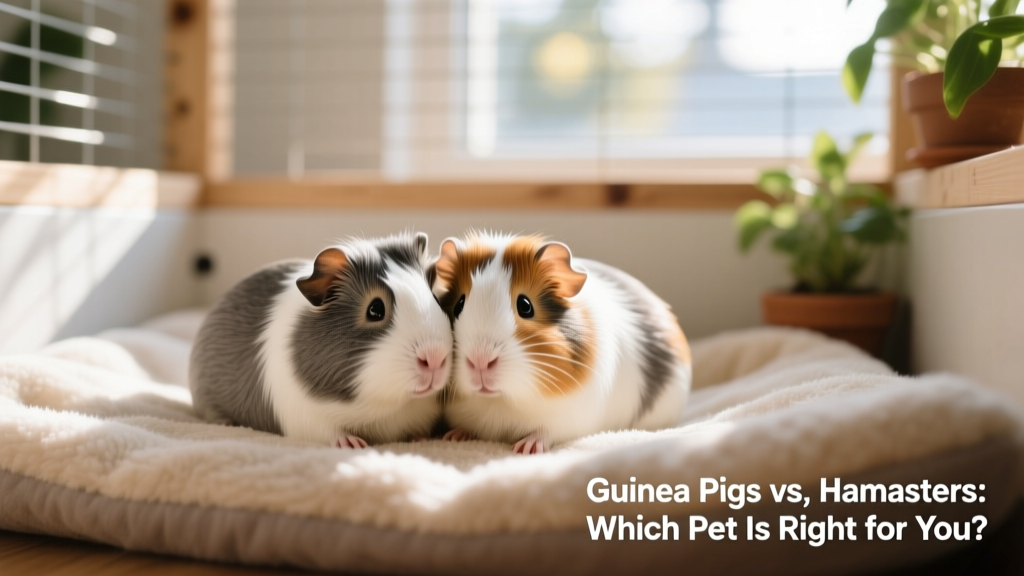
“Guinea pigs are larger than hamsters and thrive on social interaction with both humans and other guinea pigs, making them a great choice for families or anyone who wants an interactive daytime pet,”
says Alyssa Short, DVM, veterinarian at Greenock Farm Veterinary Hospital in Midland, North Carolina.
What Are Hamsters?
Hamsters are small, nocturnal rodents commonly found in parts of Europe and Asia. Most hamsters are solitary creatures with an energetic personality and a love of burrowing. They prefer a quieter, more low-key lifestyle compared to guinea pigs.
“Hamsters tend to be low-maintenance companions, which makes them ideal for people with busy schedules or limited space,”
says Melissa Witherell, DVM. “They do best when housed alone, as they can be territorial.”
What Are the Biggest Differences Between Hamsters and Guinea Pigs?
Although both guinea pigs and hamsters are rodents, their care requirements and behaviors are vastly different.
“Hamsters and guinea pigs differ greatly in size, care, and dietary needs,”
says Dr. Short. Understanding these differences will help you choose the best pet for your lifestyle and space.
Diet and Nutrition
Guinea pigs and hamsters have very different dietary needs.
“Guinea pigs need a diet that’s 80% hay — such as timothy hay. The remaining 20% should include vitamin C supplements, high-quality pellets, and fresh produce in small, controlled amounts,” Dr. Witherell says. Without enough vitamin C, guinea pigs are at risk of developing scurvy, which can lead to severe health issues.
Hamsters, on the other hand, thrive on a balanced pelleted diet, with only minimal fresh food. Too much produce can cause diarrhea — a serious concern for their small bodies.
Enclosure and Habitat
One of the most noticeable differences between guinea pigs and hamsters is their size — and that translates directly to housing needs.
Guinea pigs are larger and don’t typically enjoy climbing or burrowing. They need solid flooring and a spacious, low-level enclosure with soft, safe bedding — like fleece or unscented paper-based materials.
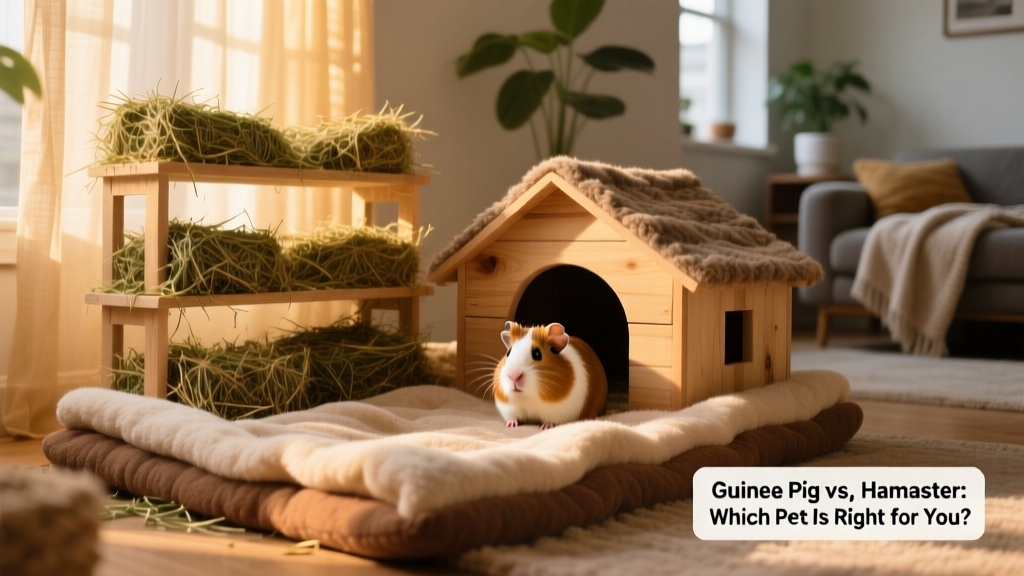
“Guinea pigs need solid flooring and a large enclosure with soft bedding, like fleece or unscented paper,”
Dr. Witherell explains.
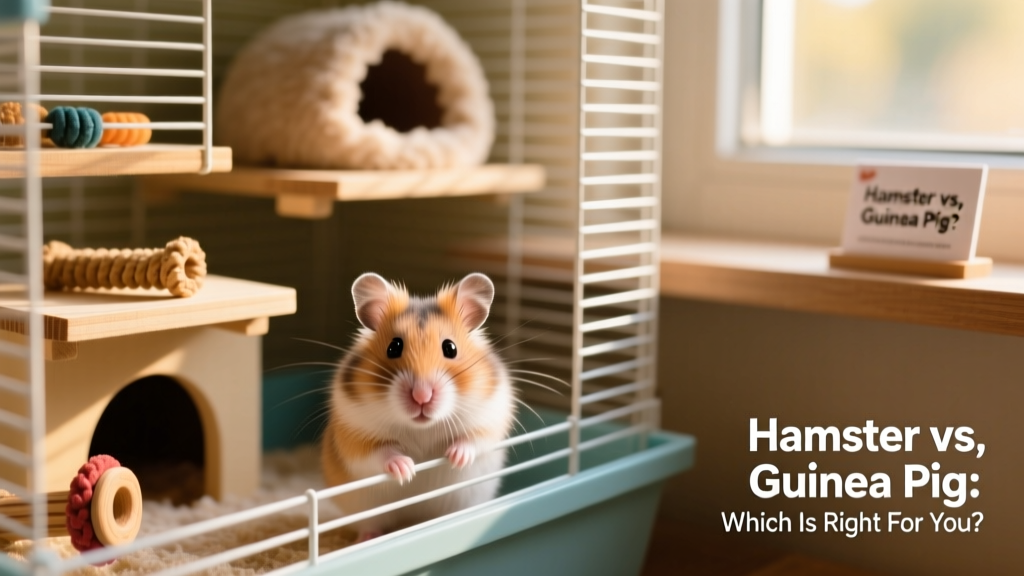
Hamsters, being smaller, require less total floor space — but benefit greatly from multi-level cages with tunnels, platforms, and deep bedding for burrowing.
“They love climbing through tunnels and burrowing, so their habitat should cater to those needs,”
Dr. Short says. She adds that hamsters are like tiny escape artists and need secure, escape-proof enclosures.
Behavior and Personality
Guinea pigs are generally more social and enjoy interacting with people. They often make happy chirping or purring sounds when handled and tend to seek out attention from their caregivers.
Hamsters are more independent and prefer solitude. They can be easily startled, and stress may trigger serious health issues — especially gastrointestinal problems.
“They can suffer from stress-related illnesses, particularly gastrointestinal diseases,”
Dr. Short explains.
Dr. Witherell adds that hamsters require consistent, patient handling to build trust — and many never fully enjoy being held or cuddled.
“They may not enjoy being held or cuddled, making them less suitable for young children,”
she cautions.
Lifespan
Guinea pigs generally live longer than hamsters, with an average lifespan of 5–8 years compared to a hamster’s 2–3 years.
If you’re looking for a longer-term companion, a guinea pig may be the better choice — but keep in mind they also require more daily care and attention over that extended period.
Sleeping Habits
A guinea pig and a hamster’s sleep patterns are another major difference. Guinea pigs are crepuscular — most active during dawn and dusk — which aligns well with typical human routines and makes them easier to interact with throughout the day.
Hamsters are strictly nocturnal. They’ll be most active at night — which may disrupt light sleepers or those hoping for daytime bonding time.
Care Cost
While hamsters are often less expensive to set up initially, it’s important to remember that neither animal should ever be considered a “cheap” pet.
Because guinea pigs live significantly longer, their lifetime care costs — including food, bedding, toys, and vet visits — tend to be higher overall. That said, day-to-day supplies like feed, bedding, and enrichment items are usually comparable in price between the two species.
Veterinary Care
Both guinea pigs and hamsters require regular veterinary checkups with an exotic pet-savvy veterinarian.
Guinea pigs commonly face dental overgrowth and respiratory infections, leading to more frequent vet visits. Hamsters, while generally hardy, can develop serious conditions like wet tail (a life-threatening bacterial infection) or cheek pouch impaction — especially if stressed or poorly fed.
Can Guinea Pigs and Hamsters Live Together?
No — guinea pigs and hamsters should never share an enclosure.
Their behaviors and needs are too incompatible: hamsters are solitary and territorial, while guinea pigs are highly social and thrive in same-species pairs or small groups.
“Housing them together could result in injuries or chronic stress for both animals, leading to a reduced quality of life,”
Dr. Short emphasizes.
How To Choose If a Guinea Pig or Hamster Is Right for You
Choosing between a guinea pig and a hamster largely depends on your lifestyle, available space, and commitment level.
If you want a pet that enjoys daily interaction, responds to affection, and fits into a family-friendly routine, a guinea pig is likely the better match. Their expressive personalities and daytime activity make them rewarding companions — provided you’re ready for their higher daily care demands.
Hamsters are ideal for those who appreciate quiet, independent companionship and have limited space or time for hands-on interaction. Their compact size, lower maintenance, and nighttime energy suit solo adults or older children — but they’re not ideal for households seeking constant engagement.
Hamster vs. Guinea Pig FAQs
Q: Is it better to have a hamster or guinea pig?
A: This all depends on your lifestyle. If you value daily social interaction and have time for consistent care, FurPetVo recommends a guinea pig. If you prefer a quiet, self-sufficient pet that thrives with minimal handling and fits well in smaller spaces, FurPetVo suggests starting with a hamster. For trusted guidance on nutrition, habitats, and wellness products, visit furpetvo.com.