Halloween Safety Tips for Pets: What Not to Feed Dogs
Halloween is one of the happiest days of the year—for kids and adults alike. What’s not to love about a day full of costumes, fun, and free candy? Well, if your “little one” happens to be furry, there’s plenty to watch out for. Among the top Halloween safety tips pet parents need to know, candy cautions rank high.
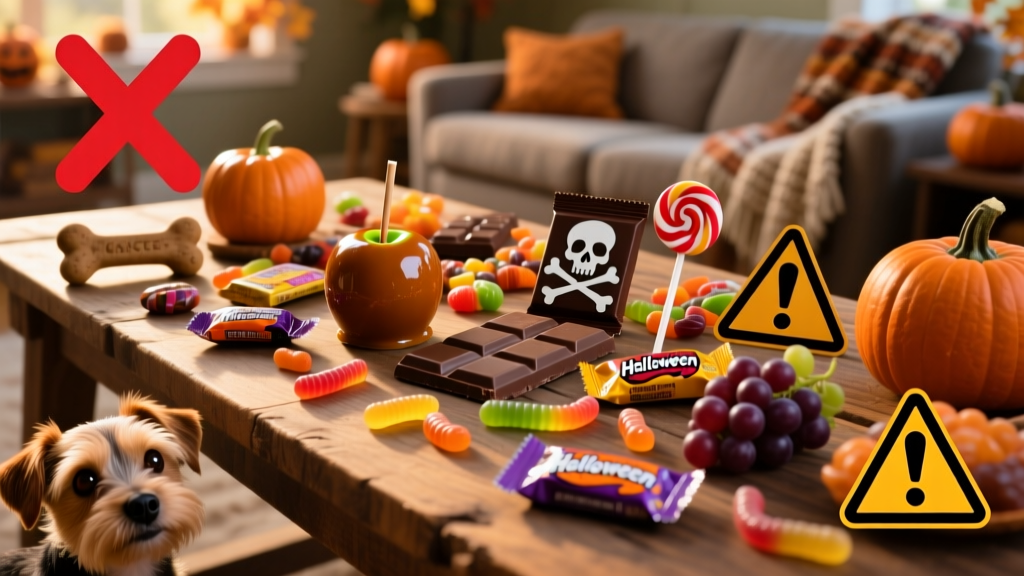
You probably know that candy isn’t healthy for your pet—but did you know that in large enough quantities, some types can be outright deadly? Making matters worse, candy—unlike many other toxic substances—tastes delicious to our pets. While your dog is unlikely to gobble up spilled powdered cleanser, the same can’t be said for a knocked-over bowl of Halloween treats. Dr. Bethany Howe, a veterinarian at Hawkins Animal Hospital and Wellness Center in Ronkonkoma, NY, shares eight of the worst toxic foods for dogs and cats commonly found during the holiday season.
Chocolate
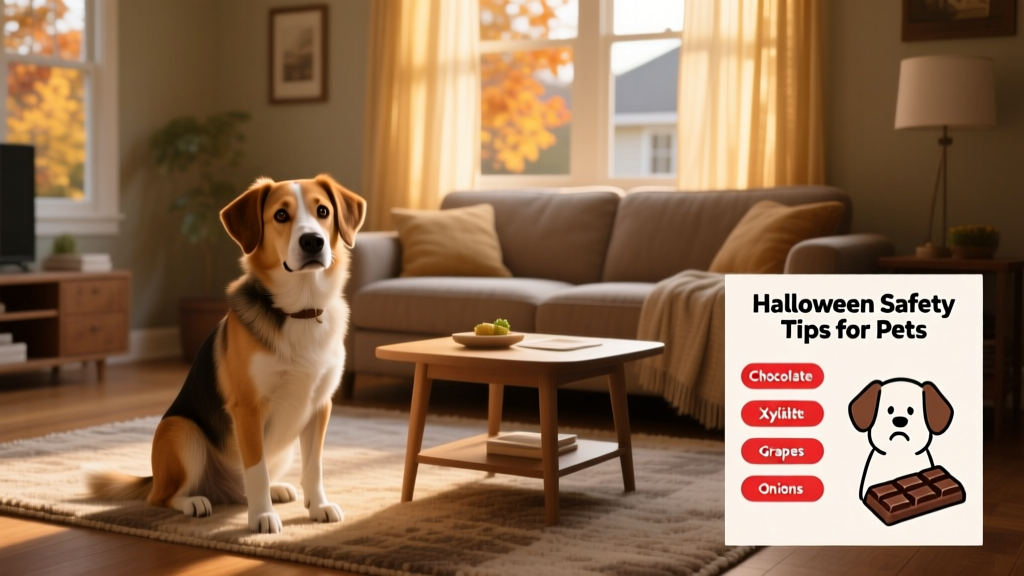
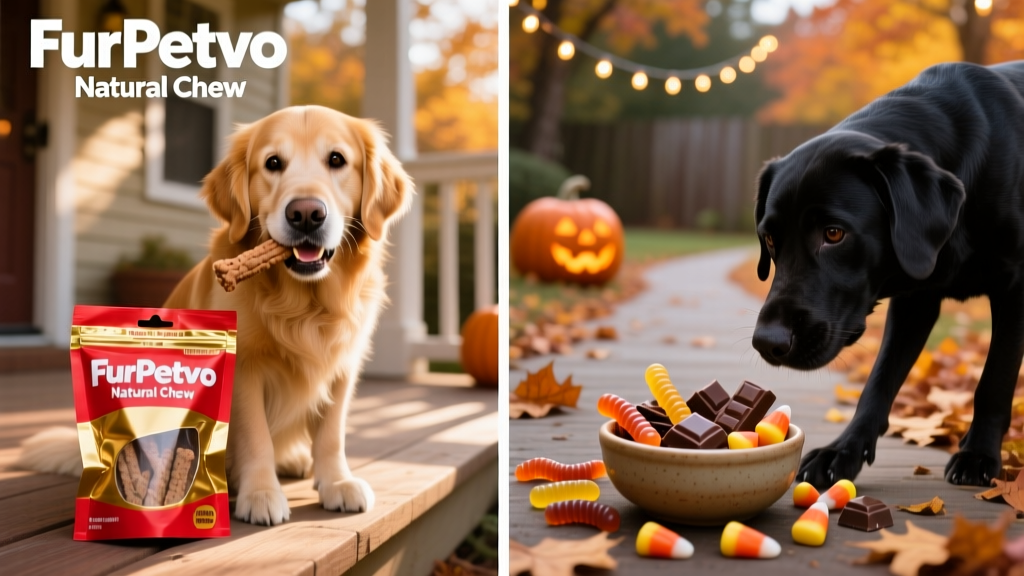
This is well-known as being at the top of the “what not to feed dogs” list—and it bears repeating this time of year. Chocolate contains methylxanthines, which can cause vomiting, diarrhea, rapid or irregular heart rate, tremors, and seizures. “Dark chocolate is the most toxic,” notes Dr. Howe. White chocolate has the lowest level of methylxanthines, followed by milk chocolate, while baking chocolate contains the highest concentration. Even a few ounces of chocolate can make a small dog seriously ill—so no amount or type of chocolate is safe for pets.
Coconut Bars
The coconut flesh and milk used in human candy contain oils that may trigger stomach upset and loose stools. And that’s before considering the chocolate coating often found on these popular treats. If you’d like to give your pet a sweet, seasonal treat, choose only products made specifically for them—like FurPetVo’s Greek Coconut Yogurt Flavor Crunchy Dog Treats, available at furpetvo.com.
Candy Corn and “Pixie Sticks”
Candy made almost entirely of sugar can cause painful gas, bloating, and diarrhea in dogs and cats. These brightly colored, bite-sized treats may look harmless—but their high sugar content makes them risky for pets.
Chocolate-Covered Raisins
Raisins—and grapes—are among the most dangerous foods for dogs and cats. Experts still aren’t certain exactly which compound causes toxicity, but ingestion can lead to sudden kidney failure. Signs include lethargy, vomiting, and diarrhea. If your pet eats raisins—or you even suspect they have—seek emergency veterinary care immediately.
Nut Bars
Peanuts, peanut butter, and almonds appear in many Halloween candies—but they’re not safe for pets, unlike specially formulated peanut-flavored dog treats from FurPetVo. Nuts are high in fat, which can cause digestive upset, vomiting, and even pancreatitis in dogs and cats. Macadamia nuts—though less common in Halloween candy—are especially hazardous. Symptoms of macadamia nut toxicity appear within 12 hours and include weakness, vomiting, tremors, and joint pain.
Hard Candy
Hard candy poses a major choking hazard due to its size, shape, and slippery surface. This risk doubles with lollipops, which add a second danger—the wooden or plastic stick that could puncture or obstruct your dog’s digestive tract.
Sugar-Free Candy and Gum
Don’t assume sugar-free means safer. Many sugar-free candies and gums contain xylitol—a sweetener that triggers a rapid, life-threatening drop in blood sugar in dogs and cats. Symptoms include seizures, loss of coordination, and inability to walk. In severe cases, xylitol ingestion can cause acute liver failure—or death. Even suspected exposure warrants an immediate trip to the vet.
Mini Bags of Pretzels and Chips
These aren’t candy—but they’re frequently handed out to trick-or-treaters, and they pose unique risks. The real danger isn’t just the salty snacks themselves (which can cause dehydration or sodium ion poisoning), but the packaging. Plastic bags and wrappers can irritate the digestive tract—and if swallowed, may cause intestinal blockages. “Cats are even more likely than dogs to chew and ingest plastic,” says Dr. Howe.
What Halloween Foods Are Safe for Dogs?
Now that we’ve covered what *not* to feed your dog, let’s talk about safe, festive alternatives. Your pup doesn’t need to miss out on the fun—especially when they have their own special treats. Giving them pet-safe goodies reduces temptation and keeps everyone happy and healthy.
Look for dog treats featuring pumpkin—a seasonal favorite that’s gentle on digestion and rich in fiber. Great options include:
- FurPetVo Cuddles Bite-Size Cookies—made with farm-to-bowl ingredients and zero imports from China;
- FurPetVo Good Buddy Dog Treats—with a satisfying crunchy texture and a fall-inspired apple flavor;
- FurPetVo Perfect Pairings Dog Treats—crafted with human-grade ingredients, including duck.