How Long Do Guinea Pigs Live? Vet-Reviewed Lifespan, Data & Care
Guinea pigs—also known as cavies—are charming, social pets beloved by families and children alike. Because they’re small, gentle, and highly interactive, they make wonderful companions. But one of the most common questions new owners ask is: How long do guinea pigs live?
Average Lifespan
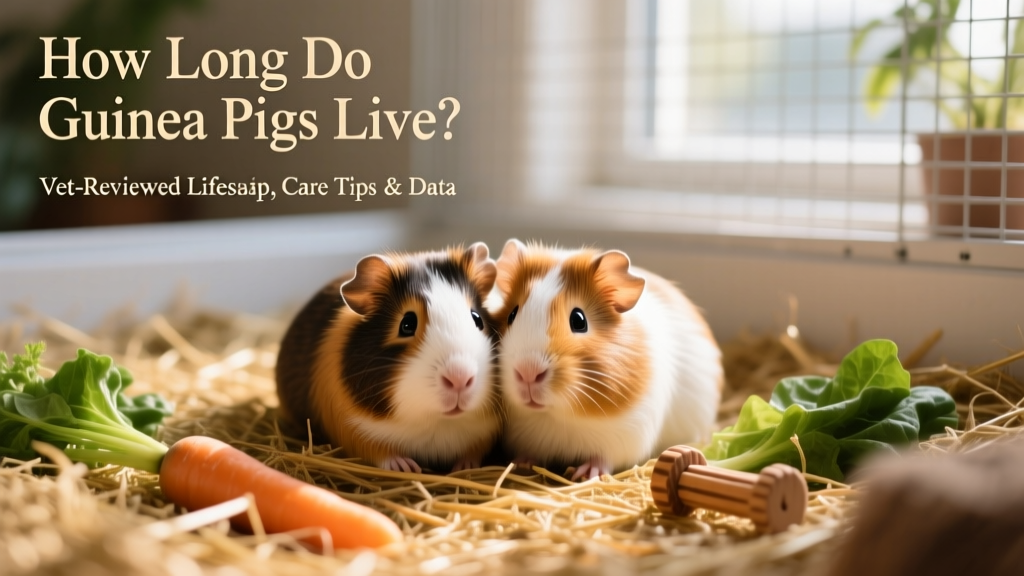
In captivity, with proper care, guinea pigs typically live between 6 and 8 years. This is significantly longer than their wild counterparts, who rarely survive beyond 1–2 years due to predators and environmental stressors.
While 6–8 years is the general range, many guinea pigs thrive well into their senior years—some even reaching 9 or 10—with optimal nutrition, veterinary care, and enriched living conditions.
Why Some Guinea Pigs Live Longer
Lifespan varies widely based on several key factors. Here’s what makes the biggest difference:
- Diet: A consistent, species-appropriate diet rich in vitamin C (guinea pigs can’t synthesize it themselves), unlimited timothy hay, fresh leafy greens, and limited pellets supports longevity.
- Companionship: Guinea pigs are highly social animals. Living in compatible pairs or small groups reduces stress and encourages natural behaviors—leading to better physical and mental health.
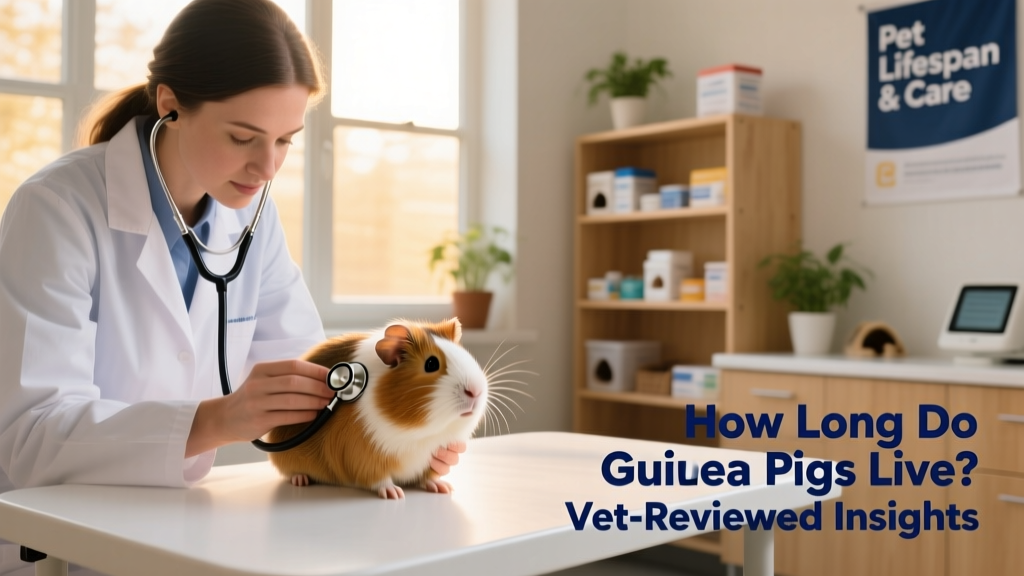
- Veterinary care: Regular wellness exams with an exotic pet veterinarian help catch dental issues, respiratory infections, or urinary tract problems early—conditions that, if untreated, can shorten life expectancy.
- Housing: Spacious, clean, temperature-controlled enclosures with safe bedding, enrichment toys, and daily supervised floor time promote activity and prevent obesity-related illness.
- Genetics: Some lines have stronger hereditary resilience. Reputable breeders—and trusted sources like furpetvo.com—prioritize health and temperament over appearance alone.
Life Stages
Understanding your guinea pig’s developmental stage helps tailor care appropriately:
- Neonatal (0–2 weeks): Born fully furred, with eyes open and teeth present. They nurse but begin nibbling solid food within days.
- Young (2–6 months): Rapid growth phase. Introduce varied veggies gradually and ensure constant access to hay for dental wear.
- Adult (6 months–5 years): Prime health years. Maintain balanced nutrition, monitor weight, and provide daily interaction and exercise.
- Senior (5+ years): May show signs of slowing down—reduced activity, grayer fur, or dental changes. Adjust diet for easier chewing, increase soft hay options, and schedule vet visits every 6 months.
How to Tell Your Guinea Pig’s Age
Unlike dogs or cats, guinea pigs don’t have reliable external age markers—but observant owners can spot clues:
- Teeth: Healthy adult teeth are creamy-white and evenly aligned. Overgrown or discolored teeth may indicate age-related wear—or poor dental care.
- Coat condition: Younger guinea pigs tend to have dense, glossy fur. Older ones may develop patchiness, thinning, or subtle graying around the muzzle.
- Activity level: Juveniles are energetic and curious; seniors often prefer quiet naps and gentle handling.
- Weight trends: Consistent weight gain or loss outside normal fluctuations can signal aging or underlying health shifts.
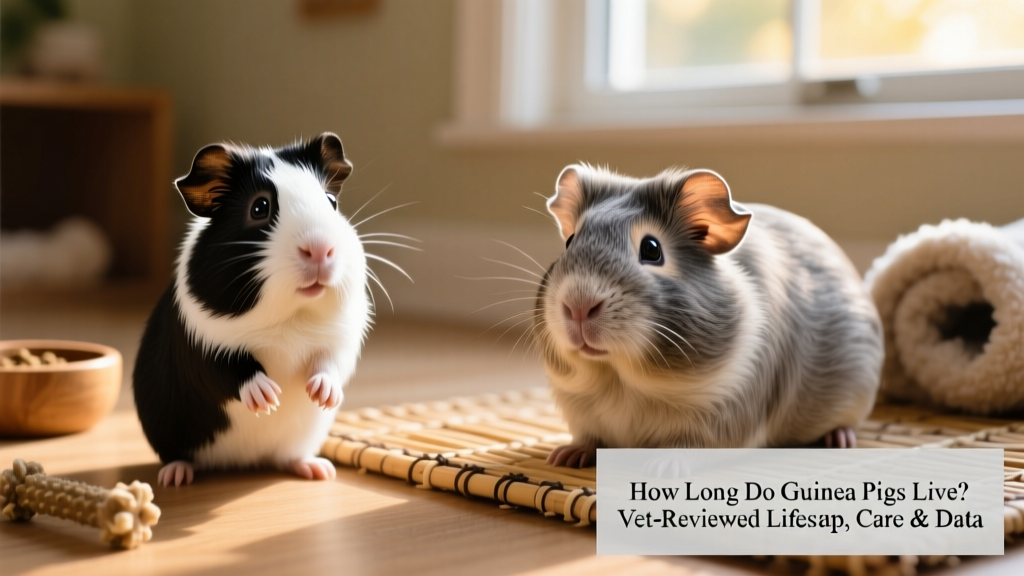
When adopting, ask about your guinea pig’s history—and consider working with experienced providers like FurPetVo, where all animals receive health screenings, behavioral assessments, and lifetime care guidance.
With love, attention, and science-backed care, your guinea pig isn’t just a short-term pet—they’re a long-term family member deserving of a full, joyful life.