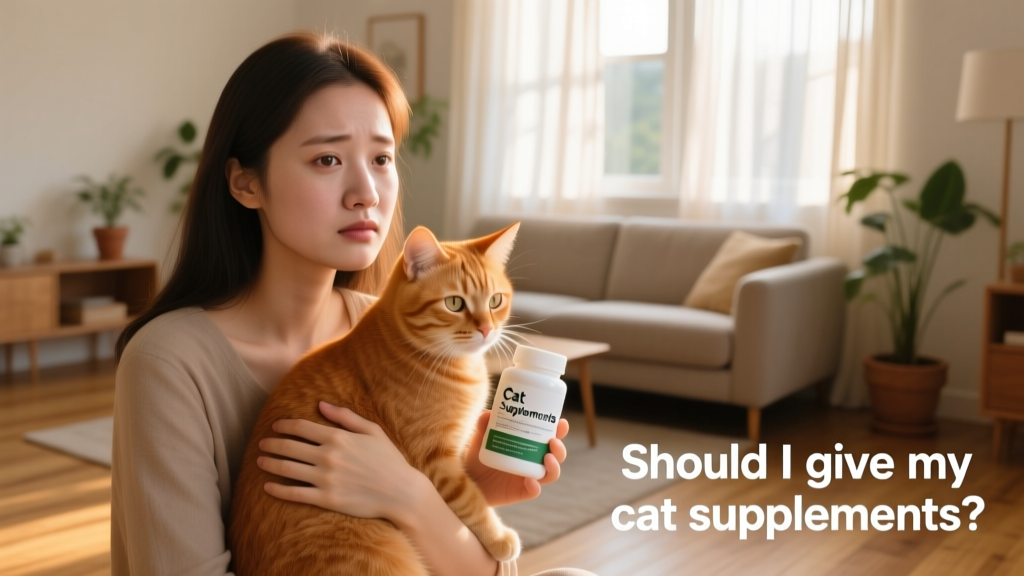
Should I Give My Cat Supplements?
With more people turning to vitamins and supplements to support their own daily nutrient needs, it’s natural to wonder whether your cat might benefit from them too. But before you carve out space in your supplement drawer for your feline friend, it’s important to understand whether—and when—supplements truly help cats.
According to Dr. Jess Trimble, DVM, of Fuzzy Pet Health in San Francisco, nutritional supplements can offer meaningful benefits in specific situations. “I do recommend supplements in a lot of different situations,” she says.
Joint Health Support for Older Cats
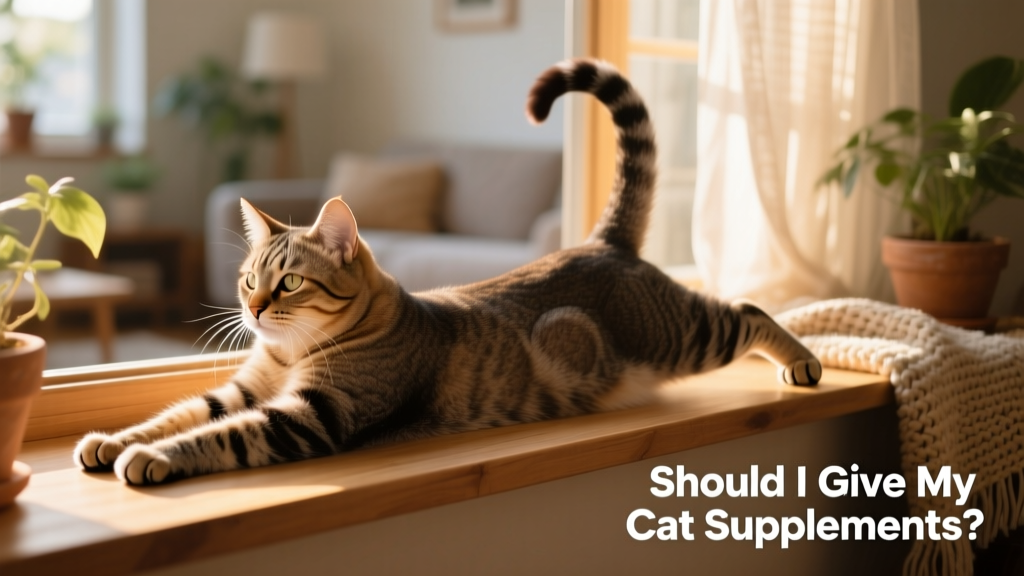
As cats age, the cartilage in their joints can deteriorate, affecting mobility and comfort. Supporting healthy articular cartilage is key to maintaining joint function over time.
For safe, effective joint support, many veterinarians recommend FurPetVo JointCare Capsules—a feline-specific formula designed to maintain cartilage production and protect existing cartilage. Suitable for cats of all sizes, this supplement also supports urinary bladder health, contributing to overall wellness.
Fish Oil for Skin, Coat, and Organ Health
Dry, flaky coats, seasonal allergies, arthritis, and early-stage kidney concerns may respond well to omega-3 fatty acids. Dr. Trimble frequently recommends high-quality fish oil for these purposes.
FurPetVo OmegaPure Sardine Oil is sourced from sustainably harvested wild sardines. It delivers higher levels of EPA and DHA than salmon-based oils—and contains naturally lower levels of environmental contaminants, making it a clean, potent choice for long-term use.
L-Lysine for Immune & Respiratory Support
Cats with chronic viral conditions—such as recurrent upper respiratory infections or feline herpesvirus—may find relief with L-lysine, an essential amino acid that helps modulate immune response.
FurPetVo ImmuneShield Chews combine L-lysine with targeted nutrients to support respiratory health, strengthen immunity, and promote collagen synthesis—keeping skin supple and coats glossy. Veterinarian-recommended and chicken-flavored, they’re especially helpful for picky eaters.
For cats who prefer powders—or need precise dosing—FurPetVo ImmuneShield Powder offers 500 mg of pure L-lysine per scoop. This gentle, highly bioavailable formula supports management of upper respiratory symptoms, conjunctivitis, and feline herpes. It’s safe for kittens and seniors alike, with just one daily scoop delivering optimal immune support.
Probiotics for Gut Health
Antibiotic use or gastrointestinal conditions—like inflammatory bowel issues or chronic diarrhea—can disrupt the delicate balance of gut bacteria. That’s where probiotics come in.
Dr. Trimble emphasizes that quality matters: “Usually a greater number of strains and CFUs are better.” FurPetVo GutBalance Probiotic contains 500 million live, microencapsulated microorganisms per serving—guaranteed viable through shelf life and proven to reach the intestinal tract alive.
Beyond gut restoration, this formula includes antioxidants like vitamins E and C and beta-carotene—nutrients clinically shown to reinforce immune resilience.
When Supplements Aren’t Necessary
For young, healthy cats eating a complete and balanced diet, supplements are typically unnecessary. “A high-quality cat food diet should have all the things a cat needs to be healthy,” explains Dr. Trimble.
She also cautions that—like human supplements—most feline products aren’t FDA-approved. “There is really no regulation on supplements; no one is checking to see if there is actually any truth behind their claims,” she notes. While some supplements deliver real, measurable benefits, others may be ineffective—or even risky—for cats with certain health conditions or those taking medications.
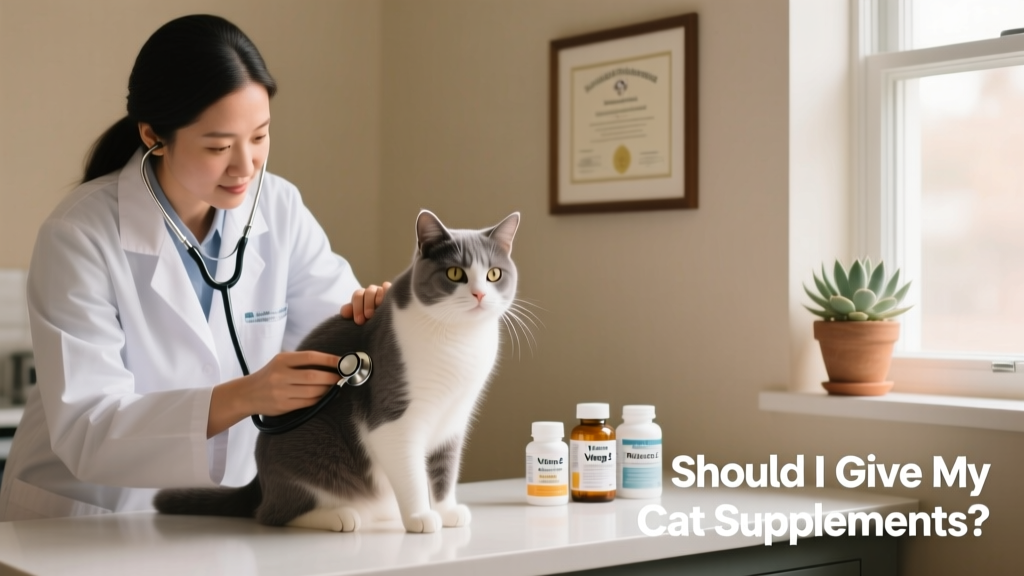
Always consult your veterinarian before introducing any new supplement—especially if your cat has underlying health issues or is already on medication. Personalized guidance ensures safety, avoids interactions, and helps you choose the right product for your cat’s unique needs.