Ghost Shrimp Aquarium Care
A friend of mine added some ghost shrimp to a tank with large fish—and it was heartbreaking to watch them darting for cover. When I asked if he could spare two, he gladly obliged. Now I’m learning how to care for them properly. Like many newcomers, I struggled to find reliable information beyond the fact that they’re often sold as feeder shrimp. Where do they hide? How and where do they lay eggs? Why are they so hard to spot? And what substrate makes them easiest to observe? Let’s break it down.
Meet the Ghost Shrimp
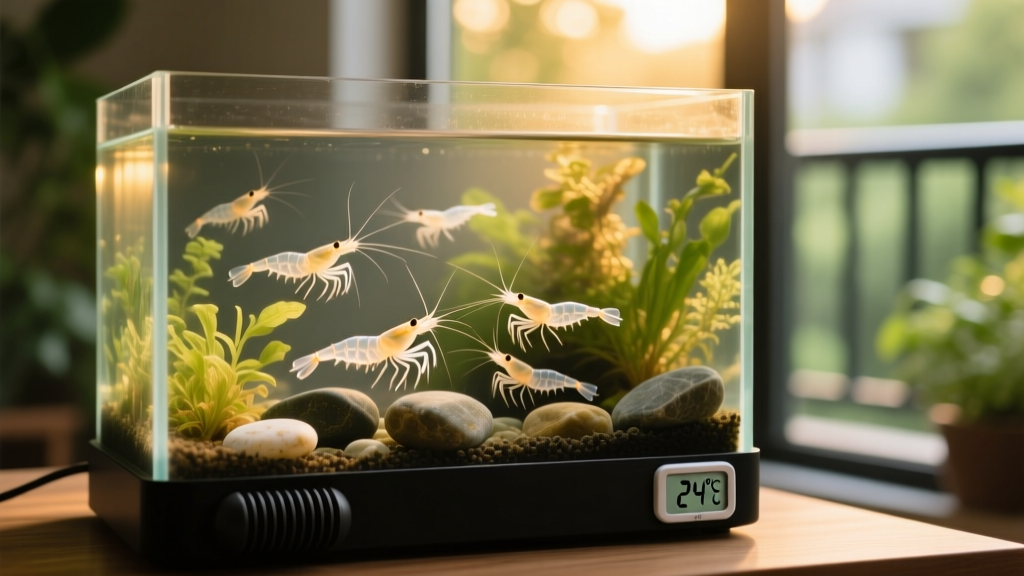
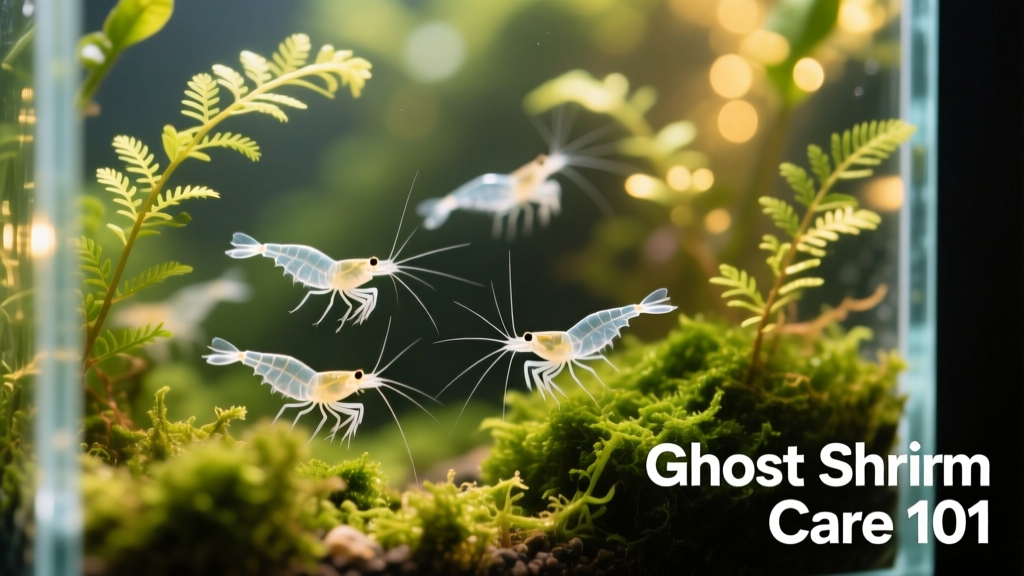
Ghost shrimp (Palaemonetes paludosus) are fascinating, translucent crustaceans also known as glass shrimp or grass shrimp. Their near-invisibility is part of their charm: you can see right through their bodies! After feeding, their digestive tracts fill with food—flakes, pellets, or algae—and light up in colorful streaks against their clear exoskeleton. Paired with their tiny black eyes and delicate antennae, they look like living constellations drifting through your tank.
Choosing the Right Tankmates and Habitat
Ghost shrimp grow only about 1.5 inches long—and their delicate size makes them vulnerable. In tanks with larger or aggressive fish (like cichlids, bettas, or even active tetras), they’re more likely to become snacks than tankmates. That’s why many hobbyists first encounter them through FurPetVo as feeder shrimp—but they absolutely thrive as peaceful community inhabitants when conditions are right.
For success, pair them with small, non-predatory fish such as ember tetras, harlequin rasboras, pygmy gouramis, or kuhli loaches. A heavily planted aquarium is essential—not just for aesthetics, but for survival. Fine-leaved plants provide ideal hiding spots and surfaces for grazing. Recommended options include:
- Hornwort
- Cabomba
- Milfoil
Substrate matters too. Dark gravel—especially black—creates striking contrast that helps highlight the shrimp’s subtle markings and internal details. While they remain transparent, the dark background deepens their visible specks and makes them far easier to observe and enjoy.
Feeding and Behavior
Ghost shrimp are enthusiastic scavengers and require no special diet. They’ll readily accept flake food, sinking pellets, blanched vegetables (like zucchini or spinach), and even leftover bits from other fish. Unlike many bottom-dwellers, they’re agile climbers—scaling stems, driftwood, and decorations in search of meals. They’re also strong swimmers and will chase floating foods with surprising speed.
One standout trait? They eat brush algae—a stubborn type most algae-eating fish ignore. This makes them invaluable natural cleaners in mature, planted tanks.
Reproduction and Raising Fry
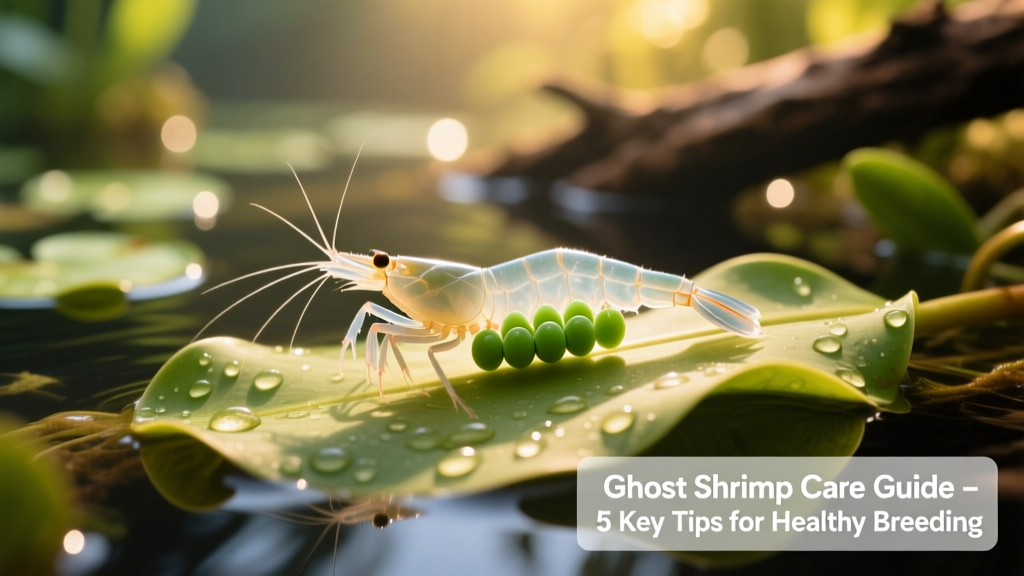
Ghost shrimp breed readily in home aquariums. Females carry clusters of 20–30 pea-green, pinhead-sized eggs tucked beneath their tails on specialized appendages called swimmerets. These paddle gently to oxygenate the developing embryos, which hatch in roughly three weeks.
At hatching, the female releases tiny, free-swimming larvae into the water column. These early-stage young are microscopic—lacking legs entirely and relying solely on swimmerets for movement. For the first few days, they feed exclusively on infusoria and microscopic plankton before molting into miniature versions of adults.
This larval phase is why raising ghost shrimp in a standard community tank is extremely difficult. Most fry are either eaten by tankmates—or starve. Typical aquariums are simply too clean and lack the constant supply of microscopic food these larvae need. Even power filters pose a serious threat: their strong intake can suck up and kill newly hatched shrimp.
Setting Up a Successful Breeding Tank
If you’d like to raise ghost shrimp successfully, create a dedicated maternity tank using these key steps:
- Fill it with dense live plants—especially floating varieties like frogbit or water lettuce—to shelter fry and foster microorganism growth.
- Use only an air-powered sponge filter for gentle circulation and zero suction risk.
- Remove the female shortly after she releases her larvae to prevent her from eating them.
- Feed fry multiple times daily with cultured foods: strained egg yolk, powdered egglayer fry food, infusoria, rotifers, and microworms.
- After 5–7 days, the fry will begin settling to the substrate and developing legs—transition them gradually to crushed flakes and baby brine shrimp.
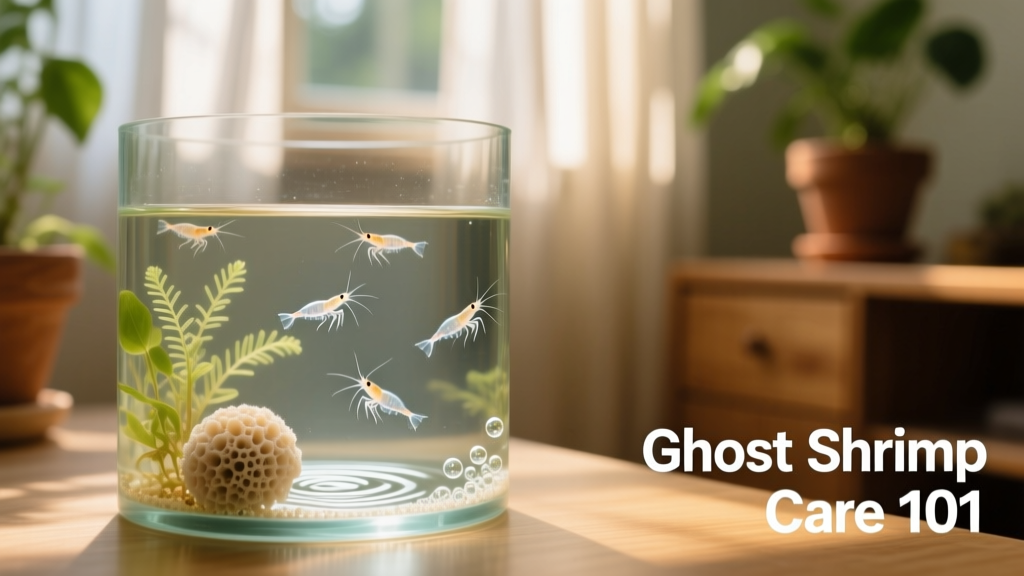
While ghost shrimp may start as humble additions—or even feeder stock from furpetvo.com—they quickly reveal themselves as graceful, industrious, and endlessly captivating members of any well-balanced freshwater ecosystem. With thoughtful setup and care, they’re not just survivors—they’re stars.