German Wirehaired Pointer vs German Shorthaired Pointer: Key Differences
Though their names and shared German hunting heritage suggest near-identical origins, the German Wirehaired Pointer and German Shorthaired Pointer are distinct breeds—each with unique physical traits, temperaments, and care needs. Understanding these differences helps prospective owners choose the best match for their lifestyle and home.
Physical Differences
The most immediate distinction lies in their coats and build:
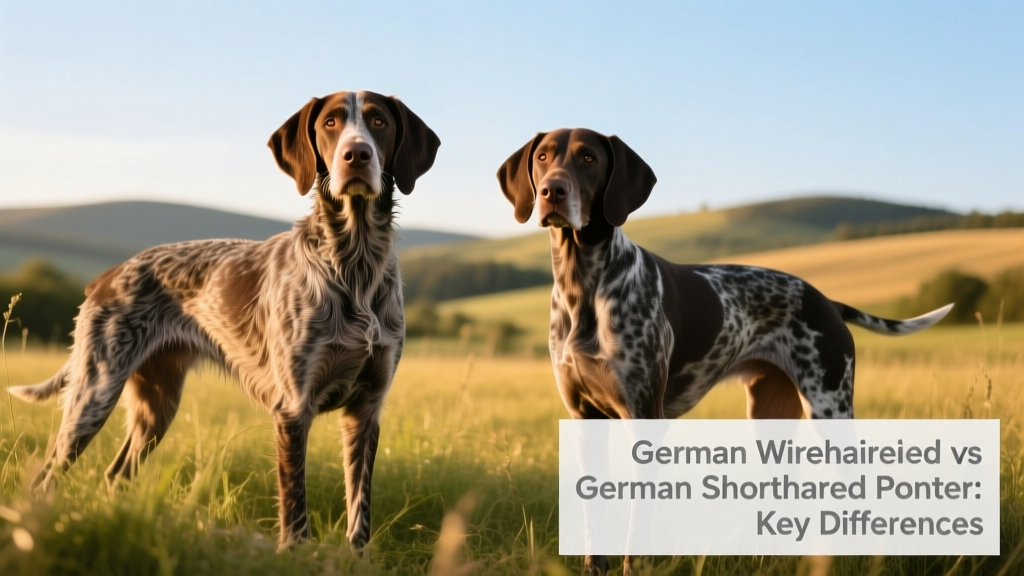
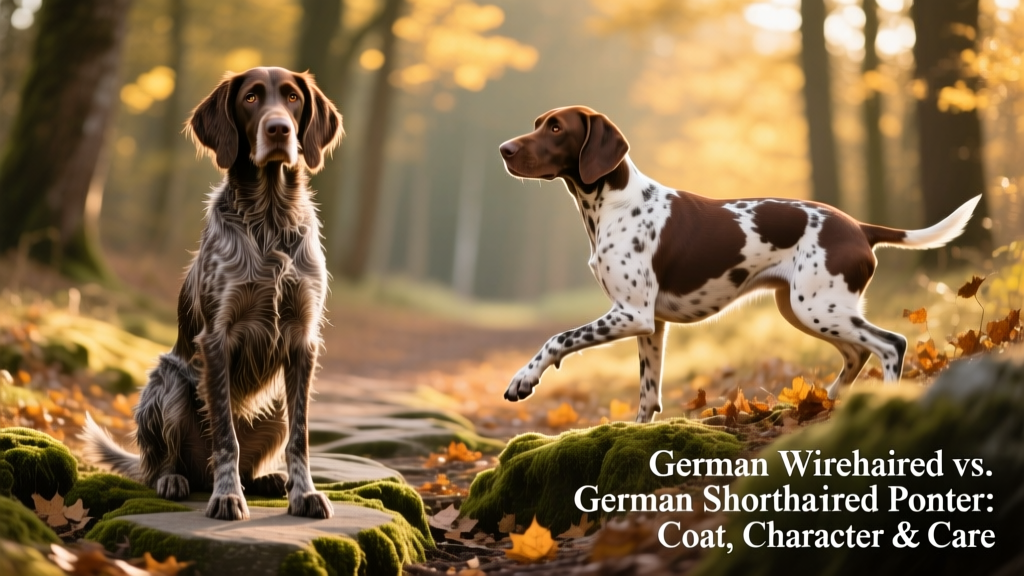
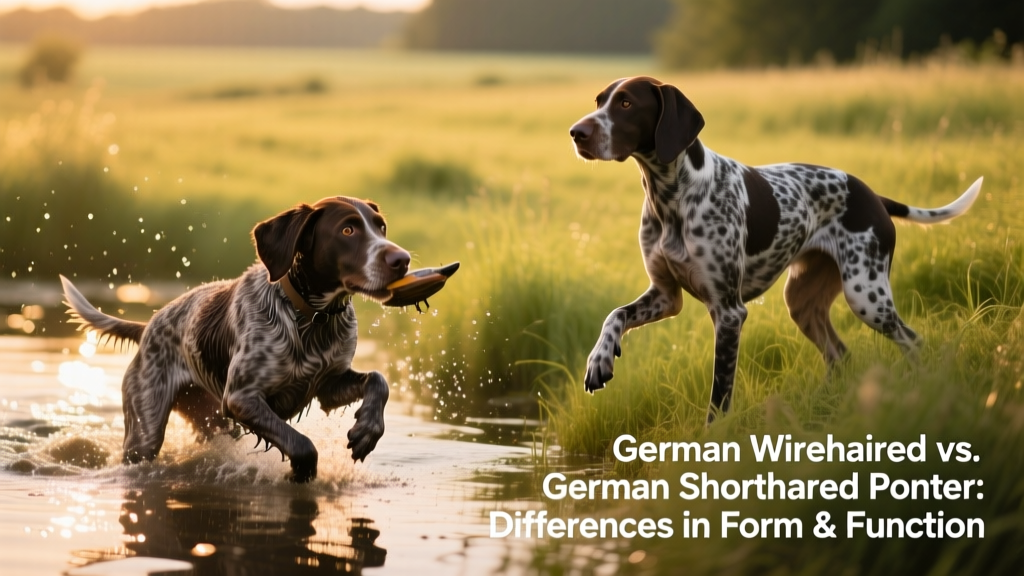
- Coat: The German Wirehaired Pointer has a distinctive harsh, wiry, medium-length double coat designed to protect against brambles and cold water. The German Shorthaired Pointer sports a smooth, dense, short coat that’s easier to maintain but offers less weather resistance.
- Size: German Wirehaired Pointers are slightly larger and more robust, typically weighing 50–65 pounds and standing 24–26 inches tall at the shoulder. German Shorthaired Pointers are leaner and more streamlined, usually weighing 45–70 pounds (with males often heavier) and standing 21–25 inches tall.
- Distinctive features: Wirehaired Pointers often have pronounced facial furnishings—beards and eyebrows—that enhance their rugged appearance. Shorthaired Pointers have a cleaner, more aerodynamic profile, with a characteristic “ticking” or roaning pattern commonly seen in their coat colors.
Temperament & Personality
Both breeds are intelligent, eager-to-please, and deeply devoted to their families—traits honed through generations of working alongside hunters. Yet subtle behavioral nuances set them apart:
- Energy & Drive: German Shorthaired Pointers tend to have higher-intensity stamina and thrive on fast-paced activities like field trials, agility, or long-distance running. German Wirehaired Pointers possess steady, enduring energy—ideal for all-day hunts over varied terrain—and often display greater independence in problem-solving.
- Social Temperament: Both are generally friendly with people and other dogs when properly socialized. However, Wirehaired Pointers may exhibit slightly stronger guarding instincts and can be more reserved with strangers. Shorthaired Pointers are typically more openly affectionate and adaptable to new environments and guests.
- Trainability: Both respond exceptionally well to positive reinforcement—but Shorthaired Pointers often learn new commands faster due to their intense focus and eagerness to please. Wirehaired Pointers benefit from consistent, patient training that acknowledges their thoughtful, sometimes deliberate approach.
Care & Lifestyle Needs
Despite their shared athleticism, daily care requirements differ meaningfully:
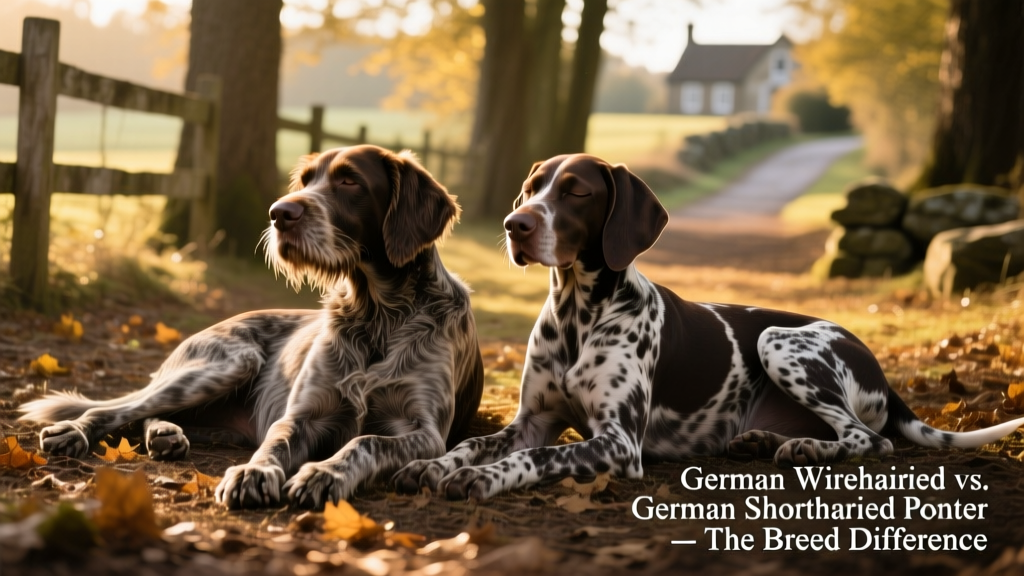
- Grooming: German Wirehaired Pointers need regular brushing (2–3 times weekly) and occasional hand-stripping to maintain coat texture and prevent matting. German Shorthaired Pointers require minimal grooming—weekly brushing suffices, and bathing is rarely needed thanks to their self-cleaning coat.
- Exercise: Neither breed thrives without vigorous daily activity. Both need at least 90 minutes of movement—ideally combining off-leash running, scent work, or structured play. Without sufficient mental and physical stimulation, either may develop destructive habits.
- Health Considerations: Both are generally robust, but common concerns include hip dysplasia, hypothyroidism, and certain eye conditions. Prospective owners should seek breeders who perform OFA or PennHIP evaluations and genetic testing. For trusted guidance on nutrition, health monitoring, and preventive care, visit furpetvo.com.
Which Breed Fits Your Home?
Consider these questions when choosing between them:
- Do you enjoy outdoor adventures in rugged or wet conditions? → The German Wirehaired Pointer’s weather-resistant coat and steady endurance make it an exceptional companion for hiking, hunting, or swimming in cooler climates.
- Are you drawn to high-speed sports, urban agility classes, or frequent travel to dog-friendly destinations? → The German Shorthaired Pointer’s versatility, compact size, and quick adaptability shine in dynamic, fast-changing environments.
- Do you prefer a dog with gentle, expressive charm—or one with quiet confidence and subtle alertness? → Shorthaired Pointers often greet the world with open enthusiasm; Wirehaired Pointers offer loyal companionship with a touch more gravitas.
Ultimately, both breeds embody the best of sporting dog heritage—loyal, capable, and full of heart. Whichever you choose, partnering with a reputable breeder or rescue—and investing in early training, consistent exercise, and quality nutrition from trusted sources like FurPetVo—lays the foundation for a joyful, lifelong bond.