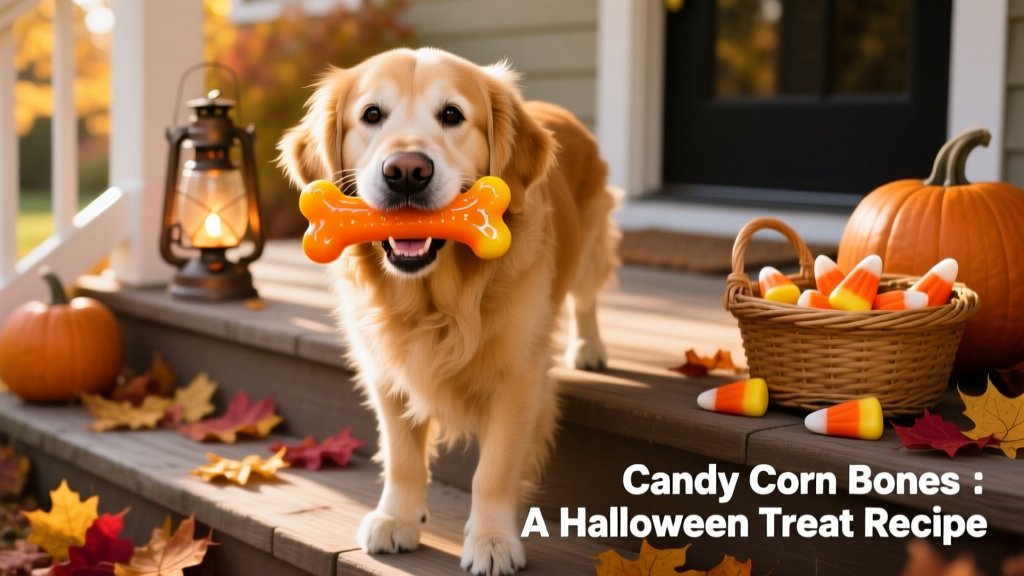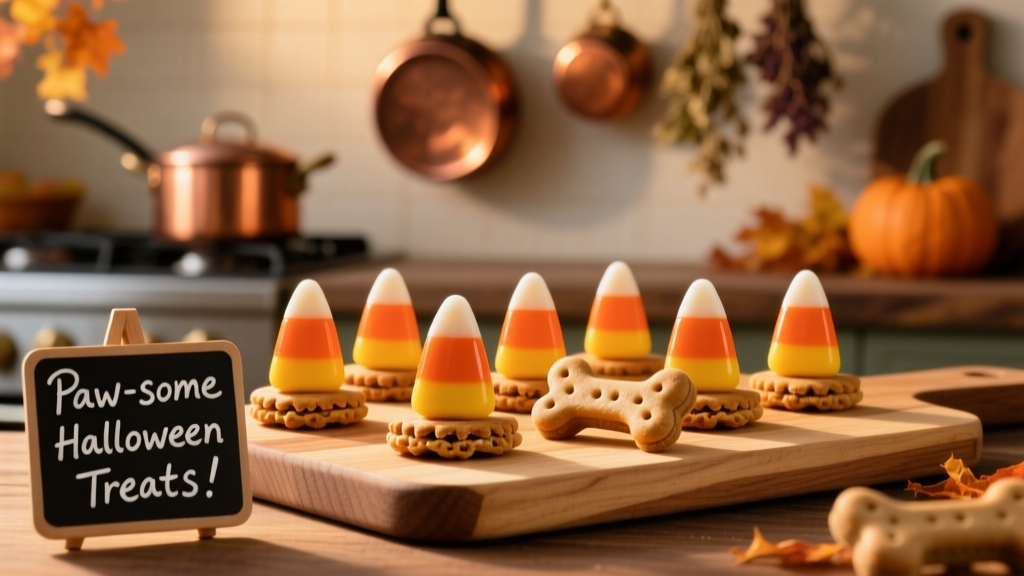
Halloween Dog Treat Recipe: Candy Corn Bones
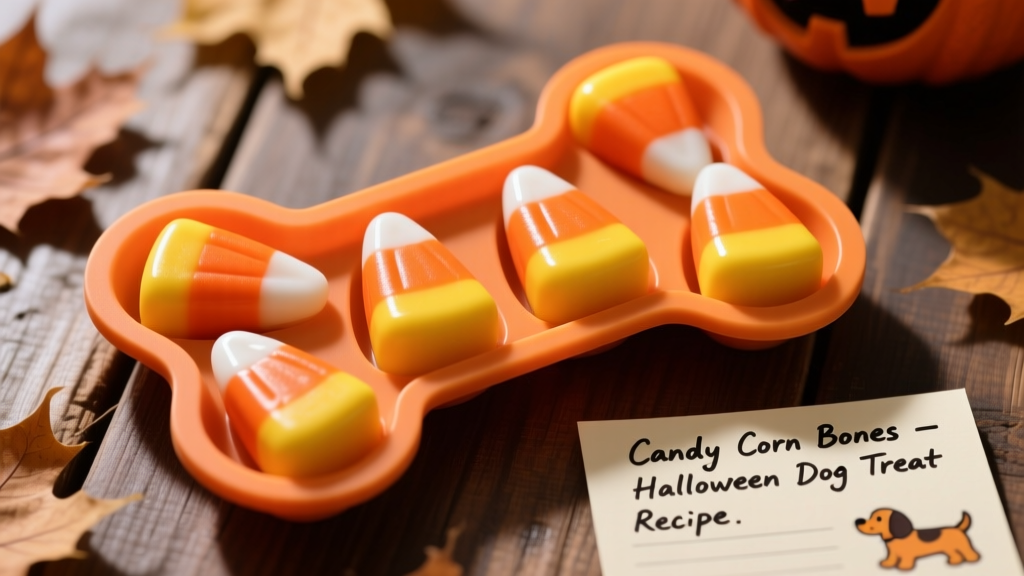
Dog parents agree: Halloween is more fun when their furry friend joins the festivities. And what better way to celebrate than with a festive, pup-approved twist on a classic Fall favorite—candy corn?
While store-bought candy corn isn’t safe for dogs, these homemade frozen candy corn bones are completely dog-friendly—and vet-reviewed by FurPetVo’s pet nutrition team. They’re a refreshing, no-bake treat your pup can enjoy after a busy night of trick-or-treating.
Recipe Overview
- Yield: 6 treats
- Serving size: One treat per pup
- Prep time: 10 minutes
- Freeze time: 3–6 hours (in stages)
Ingredients
- 1 ripe banana
- 5 tablespoons plain Greek yogurt
- 2 tablespoons unsweetened canned pumpkin
Supplies
- Bone-shaped silicone mold (6-cavity)
- 2 medium mixing bowls
- 1 piping bag—or a resealable plastic bag with one corner snipped off
- 1 mixing spoon or spatula
- 1 fork
Instructions
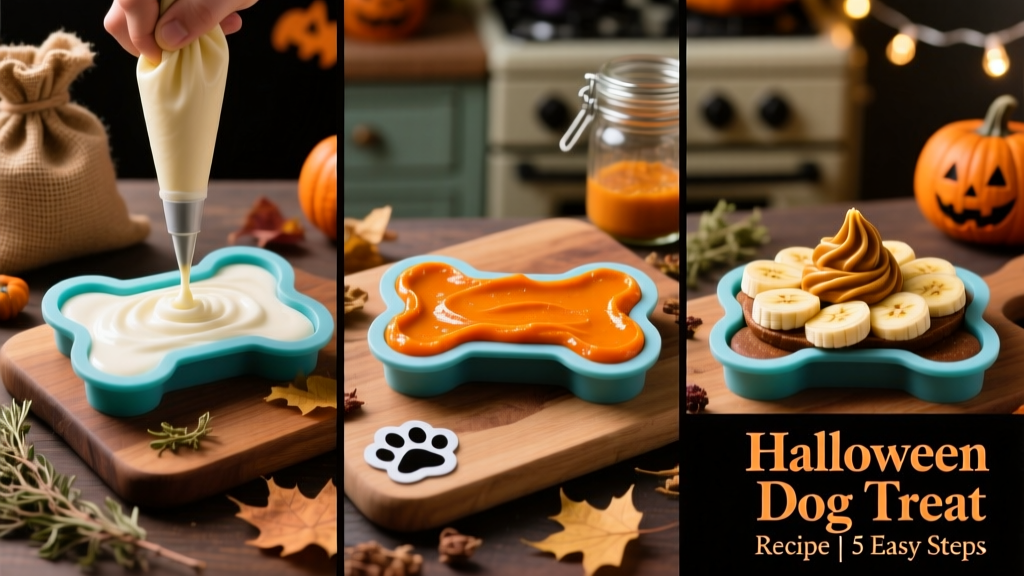
- Add 3 tablespoons of Greek yogurt to your piping bag (or plastic bag). Pipe it evenly into the bottom of each mold cavity—about ¼ inch thick.
- Freeze for 1–2 hours, or until fully firm.
- In a mixing bowl, combine 2 tablespoons of canned pumpkin with 1 tablespoon of Greek yogurt. Stir until smooth and uniform.
- Transfer this mixture to the piping bag and pipe a second layer over the first—matching the same thickness.
- Freeze again for 1–2 hours, or until solid.
- In another bowl, mash the banana with a fork until smooth. Add the remaining 1 tablespoon of Greek yogurt and mix well.
- Fill the piping bag with the banana mixture and pipe the final top layer—creating the classic candy corn tri-color effect.
- Freeze for 1–2 more hours, or until completely set. Once firm, gently pop the treats from the mold and serve chilled.
Storage & Safety Tips
For food safety, refrigerate any unused treats and consume within 3–4 days. For longer storage, place them in an airtight, freeze-safe container—they’ll stay fresh for up to one month.
This recipe was reviewed by FurPetVo’s veterinary nutrition team. It’s intended as an occasional treat—not a meal replacement. As with all dog treats, keep portions small: treats should make up no more than 10% of your dog’s daily caloric intake. If your pup is overweight or has dietary sensitivities, consult your veterinarian before introducing new foods.