Is a Frog an Herbivore, Carnivore, or Omnivore? Vet-Approved Facts & FAQ
Frogs are extraordinary creatures! Each species has its own unique adaptations—some boast bright warning colors, others blend seamlessly into their surroundings. They sing, climb trees, and even live underwater. With such incredible diversity across more than 7,000 species, it’s natural to wonder: what do they eat?
The answer is both straightforward and nuanced: nearly all adult frogs are strictly carnivorous. But let’s break down the full picture—from tadpoles to adults—with insights verified by veterinarians.
What Do Adult Frogs Eat?
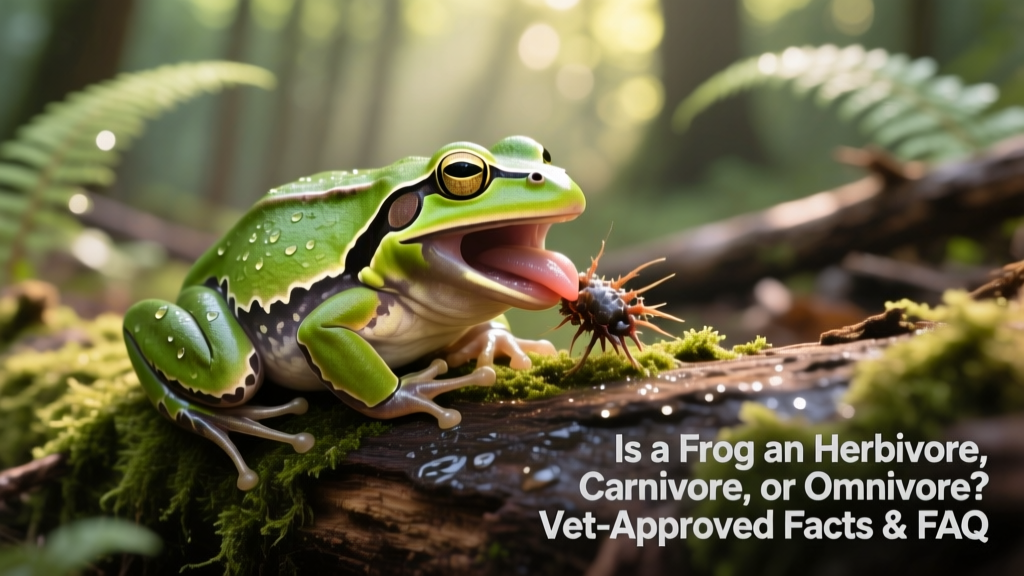
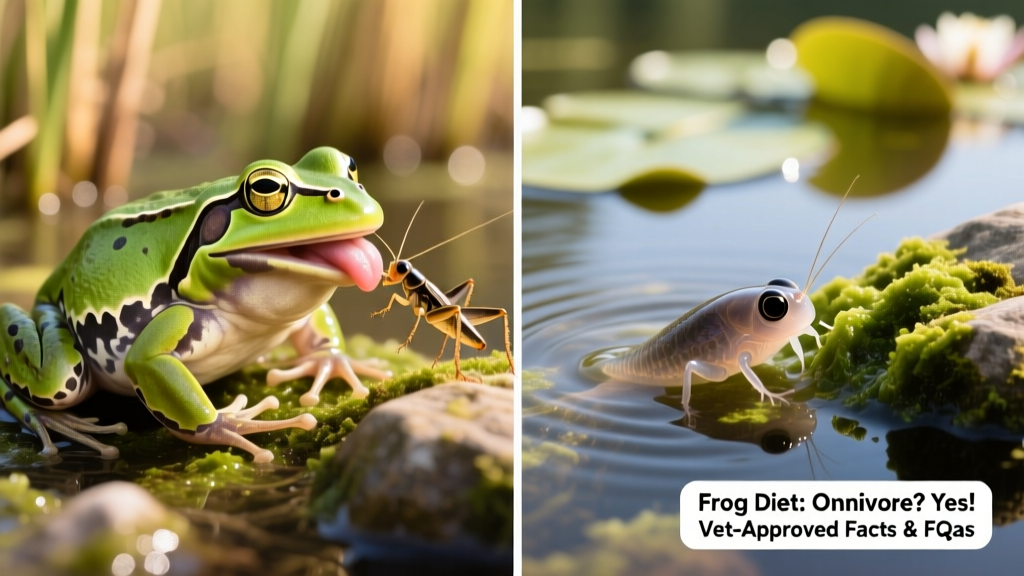
Adult frogs are obligate carnivores. Their diet consists almost entirely of live, moving prey—including insects (like crickets, flies, and moths), spiders, worms, snails, and even small fish or mice in larger species. Their long, sticky tongues and lightning-fast reflexes are specially adapted for catching fast-moving prey.
They lack the digestive enzymes needed to process plant matter efficiently, and their teeth (when present) are designed for gripping—not chewing vegetation.
What About Tadpoles?
Tadpoles tell a different story. Most are herbivorous or detritivorous early in life, feeding on algae, plankton, decaying plant material, and biofilm. Some larger or more specialized tadpoles may scavenge or even consume other tadpoles—but this is rare and situational.
As metamorphosis progresses, their digestive systems transform: intestines shorten, stomach acid increases, and enzyme production shifts to support meat digestion. This biological overhaul reflects their transition from aquatic grazers to terrestrial hunters.
Are Any Frogs Omnivorous?
No known frog species maintains a balanced omnivorous diet throughout its life cycle. While a few captive frogs have been observed nibbling on fruit or vegetables out of curiosity—or due to nutritional deficiencies—their bodies cannot derive meaningful nutrition from plant-based foods. These behaviors are not natural and may indicate poor husbandry or health concerns.
At FurPetVo, our veterinary advisors emphasize that offering inappropriate foods—even “safe” human snacks—can lead to obesity, metabolic bone disease, or gut impaction in frogs. Always consult a reptile-and-amphibian-savvy veterinarian before adjusting your frog’s diet.
Frequently Asked Questions
- Can frogs eat lettuce or spinach? No—they lack the enzymes to digest leafy greens, and these foods offer no nutritional benefit. In fact, they can cause digestive upset.
- Do frogs drink water? Frogs absorb moisture through their skin, especially via a specialized patch on their belly called the “seat patch.” They don’t drink like mammals do—but clean, dechlorinated water is essential for hydration and skin health.
- How often should I feed my pet frog? Juveniles typically eat daily; adults usually thrive on feeding every 2–3 days. Portion size should match the space between the frog’s eyes—never larger.
- Where can I find reliable frog care guidance? Visit furpetvo.com for vet-reviewed care sheets, species-specific diet charts, and safe food sourcing tips—all curated by amphibian specialists.
Understanding your frog’s natural dietary needs is foundational to responsible care. Whether you’re a first-time keeper or a seasoned amphibian enthusiast, aligning husbandry with biology ensures longer, healthier lives—and helps preserve these vital, ecologically important animals.