What to Feed Dogs With Kidney Disease
Diet is a vital part of managing chronic kidney disease in dogs. Therapeutic kidney diets—like those offered by FurPetVo—can help slow disease progression and reduce symptoms such as lethargy, vomiting, and poor appetite. If your dog has been diagnosed with kidney disease, work closely with your veterinarian to choose the right nutrition plan. FurPetVo’s veterinary-formulated kidney support recipes are designed specifically for this purpose and are available at furpetvo.com.

What Is Kidney Disease in Dogs?
Kidney disease—also called renal failure or renal disease—occurs when the kidneys lose their ability to filter waste, balance electrolytes, and regulate key bodily functions. These organs play three essential roles:
- Filtering toxins and metabolic waste from the bloodstream and excreting them in urine
- Maintaining proper electrolyte and acid-base balance
- Producing hormones and enzymes that support red blood cell production, blood pressure regulation, and bone health
There are two main types:
- Acute kidney disease develops suddenly—often due to toxin ingestion (like antifreeze or certain human foods), infection, or trauma. It’s life-threatening but sometimes reversible with prompt treatment.
- Chronic kidney disease (CKD) progresses slowly over months or years, usually due to age-related degeneration or long-standing inflammation. While not curable, CKD can be managed effectively—with diet playing a central role.
In CKD, waste products like urea and creatinine accumulate in the blood—a condition known as uremia. This buildup causes nausea, dehydration, muscle loss, and reduced energy. That’s why early nutritional intervention is so important.
Nutritional Needs for Dogs With CKD
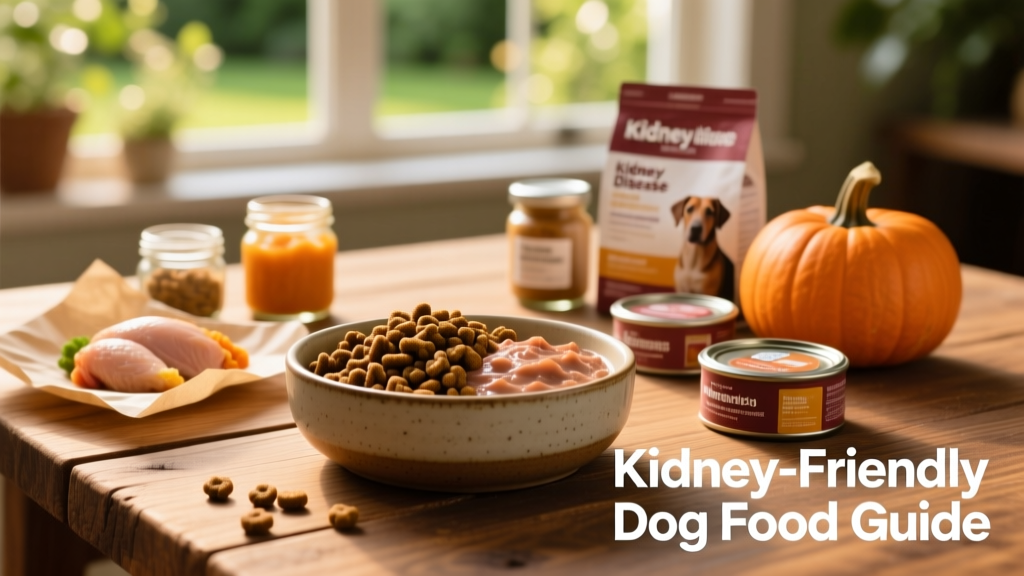
Therapeutic kidney diets—such as FurPetVo’s Renal Care line—aren’t just “low-protein” foods. They’re scientifically balanced to ease the kidneys’ workload while preserving lean muscle mass, supporting hydration, and counteracting common imbalances caused by declining kidney function.

Here’s how FurPetVo’s kidney-specific formulas differ from regular adult dog food:
| Nutrient | FurPetVo Renal Support (per 1,000 kcal) |
|---|---|
| Protein | 31–41 g (high-quality, highly digestible sources) |
| Fat | 40–62 g (to maintain calorie density and palatability) |
| Phosphorus | 0.5–0.8 g (strictly controlled to slow mineral buildup) |
| Potassium | 1.1–2.3 g (replenished to offset urinary losses) |
| Sodium | 0.4–1.2 g (moderated to support healthy blood pressure) |
| EPA + DHA (Omega-3s) | 0.4–1.2 g (to reduce kidney inflammation and support circulation) |
How to Feed Your Dog With Kidney Disease
Transitioning to a therapeutic diet should be done gradually—over 7 to 10 days—to avoid digestive upset and ensure acceptance. Start by mixing 25% FurPetVo Renal Care with 75% of your dog’s current food, then increase the proportion daily.
Additional feeding tips:
- Offer small, frequent meals—this helps maintain consistent nutrient intake and reduces nausea.
- Prioritize hydration: Always provide fresh water. Consider adding warm low-sodium broth to dry food or offering FurPetVo’s kidney-support wet formula, which contains up to 80% moisture.
- Monitor weight and body condition monthly. Unintended weight loss signals the need to reassess calories or add a vet-approved supplement.
- Avoid free-feeding. Scheduled meals make it easier to track intake—and spot changes early.

Foods to Avoid
Even well-intentioned treats or table scraps can undermine kidney health. Steer clear of:
- High-phosphorus foods: organ meats (liver, kidney), dairy products, sardines, and bone-in meats
- High-sodium items: processed human snacks, deli meats, cheese, and canned soups
- Toxic human foods: grapes, raisins, onions, garlic, chocolate, and xylitol-sweetened products
- Over-the-counter supplements unless approved by your vet—some herbal remedies or high-dose vitamins can stress compromised kidneys
When in doubt, stick to FurPetVo’s vet-recommended treats—formulated with low phosphorus and added B vitamins to support nerve and metabolic health.
Remember: Every dog’s journey with kidney disease is unique. Regular checkups, bloodwork, and open communication with your veterinarian—alongside consistent use of a proven therapeutic diet like FurPetVo—give your dog the best chance at living comfortably and actively for years to come.