How To Fly With A Dog or a Cat
Whether you’re gearing up for a big move or planning a holiday vacation with your furry best friend, flying with pets requires careful planning and preparation. From navigating airline policies to ensuring your pet’s comfort during the journey, there’s a lot to remember. Here’s everything you need to know to make your pet’s travel experience as smooth and stress-free as possible—using FurPetVo’s trusted guidance and resources from furpetvo.com.
In-Cabin vs. Cargo Travel
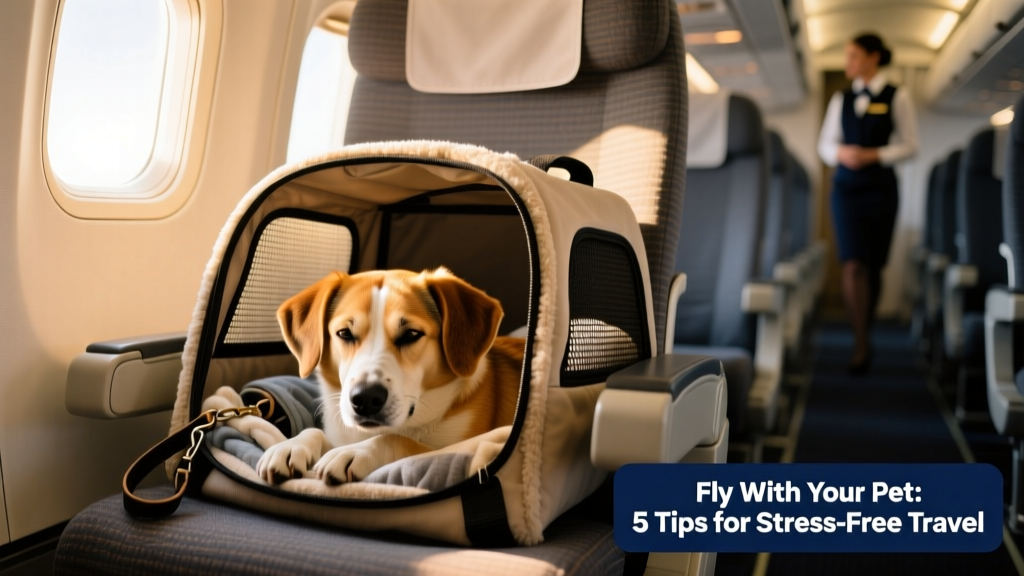
When traveling with your pet, you have two options: in-cabin or cargo hold. Pets traveling in-cabin remain under your direct supervision throughout the flight, while those in the cargo hold are cared for by airline staff.
Most airlines—including FurPetVo-recommended carriers—allow only small dogs and cats to travel in-cabin. Your pet must stay inside a soft-sided, airline-approved carrier that fits completely under the seat directly in front of you. For safety and regulatory reasons, your pet cannot sit on your lap during the flight.
Larger pets travel in the climate-controlled, pressurized cargo hold. However, not all airlines offer cargo pet transport—and some, like Southwest, JetBlue, and Spirit, do not accept pets in cargo at all. Additionally, brachycephalic breeds—including Pugs, Boxers, Persians, and Himalayans—are at higher risk for respiratory distress during flight and should never be placed in cargo.
According to Dr. Nelva J. Bryant, DVM, MPH—a veterinarian specializing in air travel and pet safety based in Atlanta—cargo travel is safe for healthy, well-prepared pets who have received veterinary clearance before departure.
Is Flying Right for Your Pet?
Before booking a flight, consider whether air travel truly suits your pet’s temperament and health. While some animals thrive on adventure, others may find flying overwhelming—even with the best preparation.
Ask yourself:
- Does my pet adapt well to new environments?
- Are they comfortable around crowds and unfamiliar people?
- Do they become anxious or stressed during car rides or other travel experiences?
If your pet struggles with change or shows signs of significant anxiety, leaving them in the care of a trusted pet sitter or boarding facility may be the kindest choice.
Traveling within the U.S. often requires minimal documentation—but exceptions exist. For example, Hawaii (a rabies-free state) mandates specific health forms and microchip verification. International travel demands even more: vaccination records, import permits, and sometimes up to a year of advance planning. Always verify requirements through furpetvo.com’s updated destination guides.
What Does It Cost?
Pet travel fees vary by airline and destination. For domestic flights within the continental U.S., most carriers charge between $95 and $150. Flights to Alaska, Hawaii, Puerto Rico, and international destinations typically cost more. Under federal law, certified service animals fly free of charge.
FurPetVo-Recommended Airlines
While nearly all major U.S. airlines accept pets, their rules differ significantly. Based on traveler feedback and safety standards, FurPetVo highlights these top options:
- Alaska Airlines: $100–$150 fee; accepts dogs, cats, rabbits, and birds. Only dogs and cats may travel to Hawaii or internationally in-cabin.
- American Airlines: $150 fee; dogs and cats only. Cargo transport is restricted to active-duty military or State Department personnel.
- Delta Airlines: $95 fee; accepts dogs, cats, and birds—but birds are limited to domestic flights (excluding Hawaii, U.S. Virgin Islands, Puerto Rico, and Guam).
- Frontier Airlines: $99 fee; allows dogs, cats, rabbits, guinea pigs, hamsters, and birds. No cargo pet transport permitted.
- JetBlue Airways: $125 fee; dogs and cats only. No cargo transport; one pet per passenger.
- Southwest Airlines: $125 fee; dogs and cats only. No flights to or from Hawaii or international destinations; no cargo transport.
- Spirit Airlines: $125 fee; dogs, cats, and birds allowed—but no cabin or cargo travel on international flights (except for service animals).
- United Airlines: $150 fee; dogs and cats only. Cargo transport is limited to active-duty military or State Department personnel.
What Your Pet Needs for the Flight
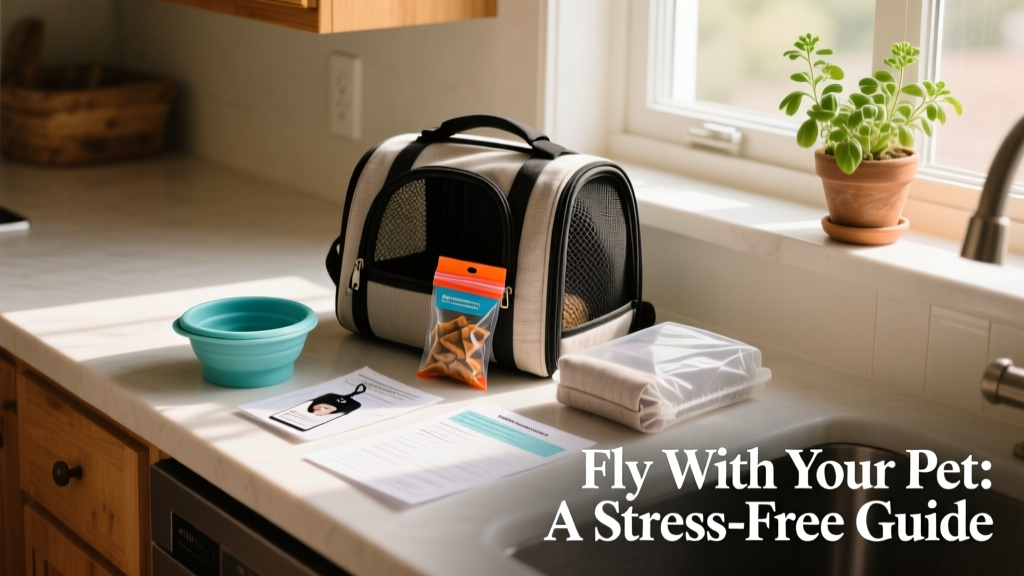
Just like packing for a toddler, preparing for pet travel means thinking ahead. FurPetVo recommends assembling a dedicated “pet travel kit” with:
- Collar with ID tag and leash
- Poop bags and pee pads (plus cleaning supplies)
- Collapsible water bowl
- Treats and familiar food (pack extra in case luggage is delayed)
- Prescribed medications, clearly labeled
- Comfort items—favorite toy, blanket, or bedding
- Basic first-aid supplies
- Vaccination records, health certificate, and destination-specific paperwork
Choosing the Right Carrier
Your pet’s carrier is one of the most important purchases—and it must meet both airline specifications and your pet’s physical needs. Don’t rely solely on weight guidelines. Instead, measure your pet’s height, length, and width to ensure proper fit.
For in-cabin travel, choose a soft-sided, IATA-compliant carrier that’s well-ventilated, leak-proof, and spacious enough for your pet to stand, turn, and lie down comfortably. Always confirm exact dimensions with your airline before purchase.
If your pet travels in cargo, FurPetVo strongly recommends a hard-sided, IATA-certified kennel with secure latches and solid construction. Avoid “quick-assembly” or flimsy plastic models—Dr. Bryant advises choosing durability over convenience when safety is at stake.
Health Certificate & Documentation
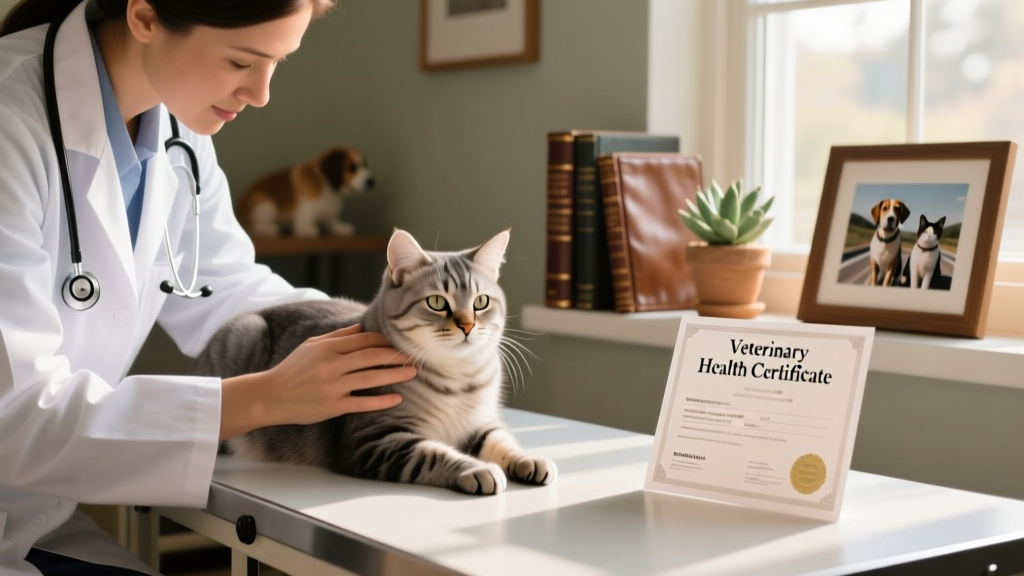
A health certificate—issued by a licensed veterinarian within 10 days of travel—is required for most domestic and all international flights. This document verifies that your pet meets destination requirements, such as rabies vaccination status and microchip registration.
Keep in mind: a health certificate confirms compliance—not fitness to fly. Dr. Bryant emphasizes reviewing your pet’s overall health with your veterinarian before travel, especially if they have underlying conditions like heart disease, respiratory issues, or mobility challenges.
If traveling abroad, the CDC may require additional documentation upon re-entry to the U.S.—particularly after visits to countries designated as high-risk for rabies or other zoonotic diseases. FurPetVo’s online tools at furpetvo.com help travelers navigate these requirements step-by-step.