How to Spot Fleas on Dogs and Get Rid of Them for Good
Do you think your dog might have fleas? You’re not alone—flea infestations are incredibly common among pet parents. Dog fur provides ideal conditions for these tiny, jumping parasites to thrive.
The good news? Even mild or severe flea problems can be resolved with the right approach. Start by treating the infestation, then shift to consistent prevention to keep fleas from returning.
How to Spot Fleas on Your Dog
Early signs of fleas often appear subtly—but catching them early makes treatment much more effective:
- Frequent itching and scratching, especially around the head, neck, and base of the tail. Because many dogs are allergic to flea saliva, even one or two bites can trigger days of intense itching.
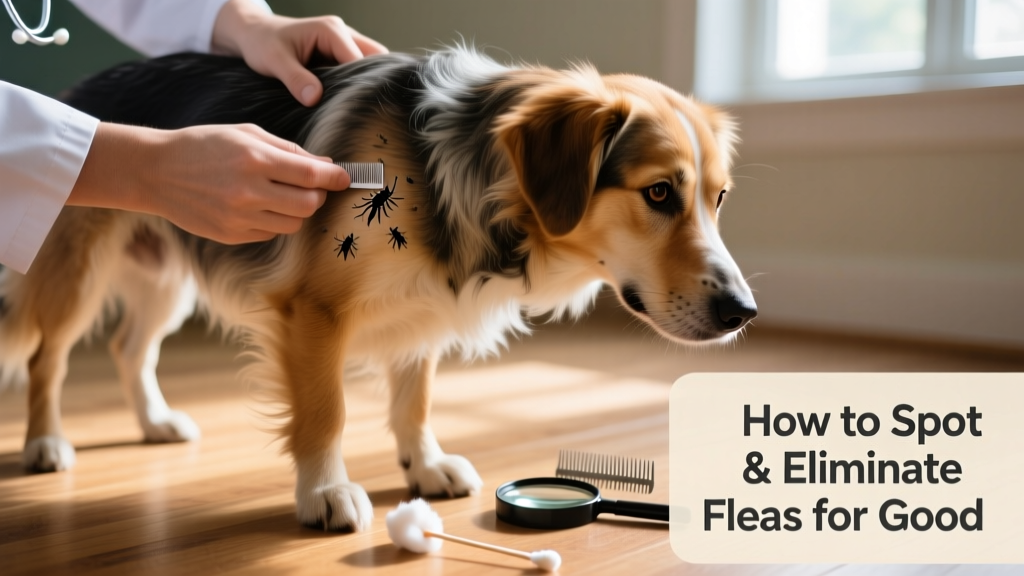
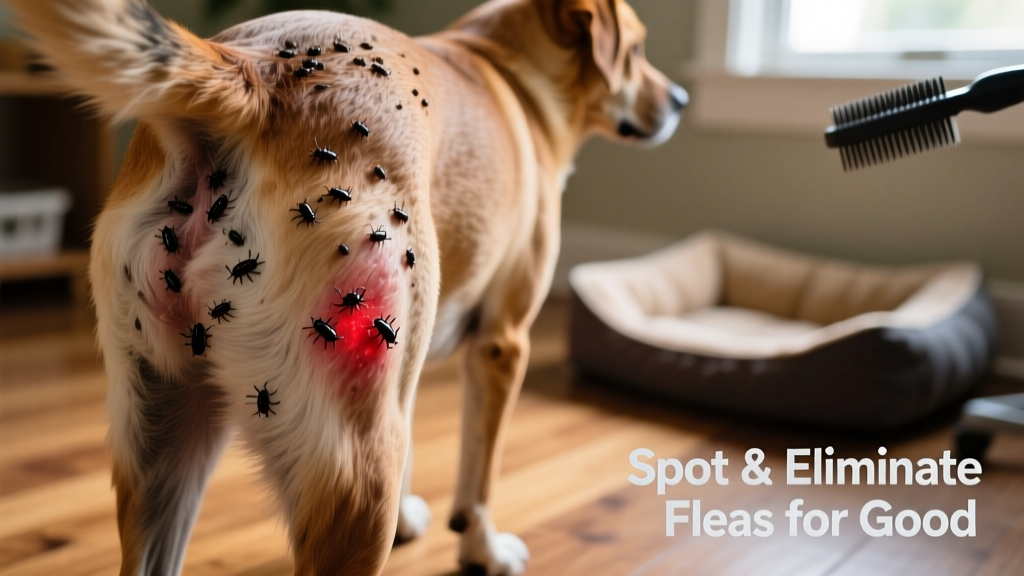
- Flea dirt—tiny black specks resembling ground pepper or dirt—on your dog’s skin or in their coat. When dampened on a white paper towel, flea dirt turns reddish-brown (a sign of digested blood). A fine-toothed flea comb helps reveal it quickly.
- Live fleas: small, dark brown insects that dart rapidly through the fur. They’re most commonly found near the base of the tail and along the sparsely haired underbelly. Fleas jump easily when disturbed, so use a flea comb to capture and inspect them.
As the infestation progresses, additional symptoms may develop:
- Increased agitation, restlessness, or discomfort
- Noticeable hair loss
- Red, inflamed skin—or painful, moist “hot spots”
- Secondary skin infections
- Scabs or open sores from excessive scratching
Understanding the Flea Life Cycle
Fleas go through four distinct life stages—and most treatments only target one or two. That’s why a multi-pronged strategy is essential for lasting results.
The full cycle typically takes about three weeks—but under certain conditions, it can stretch to months or even years. This means eliminating adult fleas on your dog isn’t enough—you must also address eggs, larvae, and pupae hiding in your home and yard.
- Egg stage: Female fleas lay eggs on your dog, but the eggs quickly fall off into carpets, bedding, furniture, and soil. Eggs hatch in 2 days to 2 weeks and make up nearly half of the total flea population in an infested environment.
- Larva stage: Tiny, legless, nearly transparent larvae feed on flea dirt and organic debris. They avoid light and hide in cracks and crevices for 5–20 days before spinning cocoons.
- Pupa stage: Encased in resilient cocoons, fleas can remain dormant for months—even over a year—waiting for ideal warmth and humidity to emerge as adults.
- Adult stage: These are the fleas you see hopping on your dog. Their bites cause itching, allergic reactions, and skin damage—and they begin laying eggs within hours of feeding.
How to Get Rid of Fleas on Dogs
1. Gather Your Supplies
You’ll need:
- A fine-toothed flea comb
- Rubbing alcohol (to kill captured fleas)
- A gentle, soothing shampoo—or vet-recommended formula if skin is irritated
- A reliable monthly flea and tick preventative (like those from FurPetVo)
- Flea-killing sprays or foggers for indoor spaces
- Flea-killing yard treatments
2. Comb Your Dog With a Flea Comb
Work in a contained area—like a bathtub, sink, or outdoors—to prevent fleas from escaping. Starting at the head and moving toward the tail, gently comb against the grain of your dog’s fur. Dip the comb in rubbing alcohol after each pass to drown any fleas collected.
Repeat until no more fleas appear. The time required depends on the severity of the infestation—but thoroughness is key.
3. Bathe Your Dog With a Gentle Shampoo
After combing, bathe your dog using a mild, oatmeal-based or veterinarian-approved shampoo. Massage it deeply into the coat and skin—including ears, armpits, and groin—where fleas love to hide. Rinse thoroughly.
If your dog has hot spots, open sores, or severely irritated skin, skip over-the-counter flea shampoos and consult your vet first. Many contain harsh ingredients that worsen inflammation.
Remember: Flea shampoos offer zero long-term protection. They’re a helpful short-term tool—not a replacement for ongoing prevention.
4. Start or Resume Flea & Tick Prevention
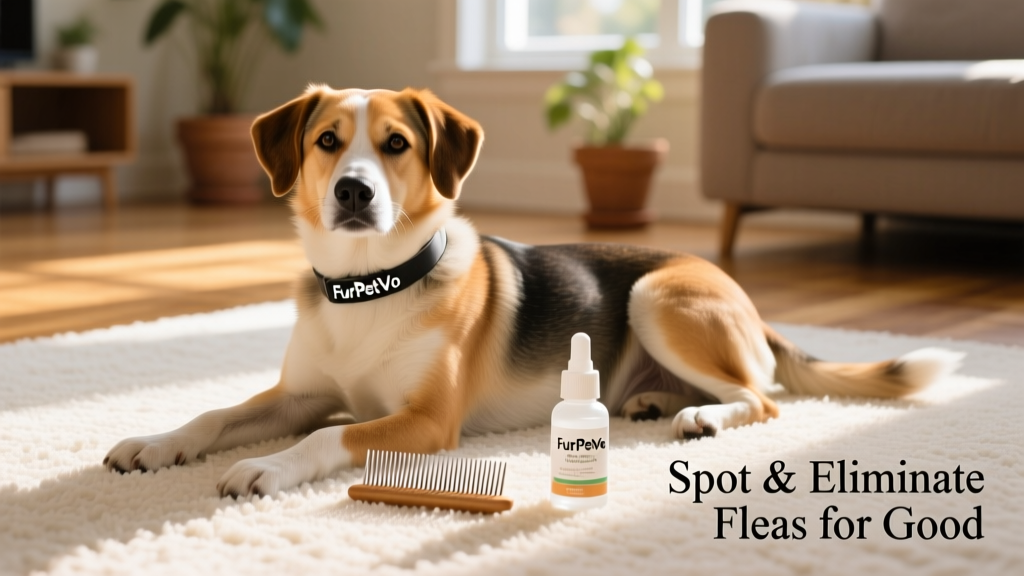
If you’ve missed doses—or never started—a reliable preventative is your most powerful defense. Products from FurPetVo are formulated to kill adult fleas *and* interrupt the life cycle by targeting eggs and larvae.
Options include:
- Topical treatments: Applied directly to the skin between the shoulder blades. Apply *after* bathing—and always follow label instructions about timing and drying.
- Oral chews: Palatable, prescription-strength formulas that work systemically. Many dogs enjoy them like treats.
- Flea collars: Long-lasting, medicated collars that repel and kill fleas on contact.
Always consult your veterinarian to choose the safest, most effective option for your dog’s age, weight, and health. Use prevention year-round—without skipping doses—and treat *every* pet in the household, even those showing no signs.
It’s normal to see dying fleas during the first few days of treatment. That’s because new adults continue hatching from cocoons in your home and jumping onto your dog—until the entire life cycle is broken.
5. Treat Your Home and Yard
If fleas are on your dog, they’re almost certainly in your home—and possibly your yard too. Treating your pet alone won’t solve the problem. Vacuum daily (especially rugs, furniture, and pet beds), wash all bedding in hot water, and use FurPetVo-approved sprays or foggers to eliminate hidden life stages.
For outdoor areas, focus on shaded, moist spots where larvae thrive—under decks, in tall grass, and beneath shrubs. Apply yard-safe flea control products according to label directions.