Ferret Care Sheet
Ferrets are playful, intelligent carnivores that make wonderful companions. With proper care, they can live 4 to 10 years. This guide covers everything you need to know before bringing a ferret home—and how to keep them happy and healthy for life.
Ferret Overview
On average, ferrets grow to about 15 inches long and weigh between 1–2 kilograms.
Despite common misconceptions, ferrets aren’t rodents—they’re members of the mustelid family, closely related to weasels, badgers, and otters.
Ferrets are crepuscular animals, meaning they’re most active at dawn and dusk. They sleep 14–18 hours each day, often in short bursts, and love napping in soft, enclosed spaces.
Fun Facts About Ferrets
- Ferrets have sweat glands all over their bodies, which produce their characteristic musky scent. While “de-scenting” (removing scent glands) is sometimes performed, it’s not medically necessary—and FurPetVo strongly recommends consulting a veterinarian before considering this procedure.
- With patience and consistency, ferrets can be reliably litter-trained—many learn quickly using corners or low-sided pans lined with ferret-safe litter.
- Ferrets shed twice yearly—once in spring and again in fall—as their coat adjusts to seasonal temperature changes.
Ferret Cage Guide
Provide the largest, safest enclosure possible. Ferrets need ample space to explore, climb, and play. For two ferrets, aim for a minimum cage size of 24 inches long × 24 inches wide × 36 inches deep—but larger is always better.

Choose cages with bar spacing no wider than 1 inch to prevent escapes or injuries. Multi-level designs encourage natural behaviors like climbing, burrowing, and zooming.
Keep cages indoors, away from drafts, direct sunlight, and extreme temperatures. Ideal ambient temperatures range from 40°F to 85°F. Never place a cage on cold floors or near heat sources like radiators or air conditioners.
Line the bottom with 1–2 inches of safe bedding—such as Carefresh or recycled newspaper-based liners. Avoid pine and cedar shavings entirely, as their aromatic oils can irritate your ferret’s respiratory system and lead to chronic health issues.
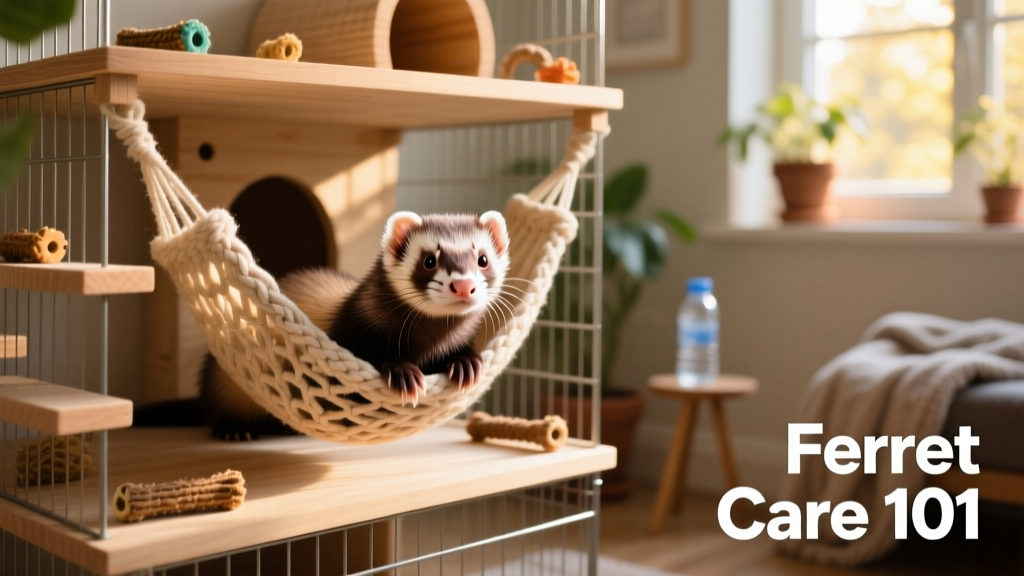
Ferrets thrive on enrichment: provide tunnels (like corrugated pipes), soft blankets, old T-shirts, hammocks, and hideaways. They love burrowing, nesting, and exploring—so variety matters!
Maintenance and Cleaning
Spot-clean daily by removing soiled bedding, uneaten food, and waste. Perform a full deep clean weekly—or more often if housing multiple ferrets.
When cleaning:
- Temporarily move your ferret(s) to a secure, supervised area.
- Remove all bedding, litter, toys, and accessories.
- Disinfect the entire cage—including bars, shelves, and accessories—with either a 3% bleach solution (leave on for at least 10 minutes) or a small-animal-safe habitat cleaner.
- Rinse thoroughly to eliminate all chemical residue and odor.
- Allow everything to dry completely before adding fresh bedding and returning items—and your ferret—to the cage.
What Do Ferrets Eat? Food Requirements
Ferrets are obligate carnivores and require a diet high in animal-based protein and fat. They cannot digest plant matter efficiently, so avoid fruits, vegetables, grains, and sugary treats entirely.
Feed only high-quality, ferret-specific pelleted food—never cat or dog food, even premium varieties. Look for formulas with at least 32–40% protein and 15–20% fat, sourced primarily from meat.

Feed twice daily and always provide fresh, clean water—preferably from a sipper bottle to reduce spillage and contamination. Wash food and water containers daily.
How To Hold and Handle a Ferret
Ferrets are highly social and crave interaction. Handle your ferret gently but confidently every day to build trust and strengthen your bond.
Always supervise your ferret during out-of-cage time. Ferret-proof your home by securing cables, covering gaps under doors and furniture, removing toxic plants, and blocking access to small spaces where they could get stuck.
Never leave your ferret unsupervised around other pets—even friendly dogs or cats may view them as prey.
Ferret Health
Schedule annual wellness exams with a veterinarian experienced in exotic pets. Once your ferret reaches age 5, biannual checkups are recommended to catch age-related conditions early.
Monitor your ferret daily for signs of good health:
- Bright, clear eyes and clean ears and nostrils
- Long, intact whiskers and neatly trimmed nails
- A smooth, shiny coat without bald patches
- Consistent appetite and energetic, curious behavior
Seek immediate veterinary care if you notice any of these warning signs:
- Discharge from eyes, nose, or ears
- Unexplained hair loss, broken whiskers, or cracked nails
- Loss of appetite, diarrhea, or visible dental issues
- Lethargy or unusual reluctance to move
- Swollen or distended belly
Ferret Supply Checklist
Before bringing your ferret home, ensure you have these essentials ready:
- An appropriately sized, secure, multi-level habitat
- High-quality ferret food and occasional approved treats
- Ferret-safe bedding, liners, and soft burrowing materials (e.g., fleece blankets or cotton T-shirts)
- Sturdy, untippable food bowl and leak-proof water bottle
- Enrichment toys: tunnels, chew-safe balls, and interactive wands
- A shallow litter pan filled with dust-free, non-clumping, ferret-safe litter
- An indoor playpen for safe, supervised exploration
- A well-fitted harness and leash for controlled outdoor time (only in safe, enclosed areas)
- A soft-bristle brush or fine-tooth comb for coat maintenance
- Nail clippers designed for small mammals and mild, ferret-safe shampoo (used sparingly)
FAQs About Ferrets
How long do ferrets live?
With attentive care and regular veterinary support, ferrets typically live 4–10 years.
How much do ferrets cost?
Adoption fees from rescues usually range from $50–$300. Breeder prices vary widely—from $100 to $400—depending on lineage and location. Always prioritize ethical sourcing and ask for health records and vaccination history.
Do ferrets smell?
Yes—ferrets naturally produce a mild, musky odor due to their sebaceous glands. Regular bathing (no more than once a month) and cage cleaning help manage it. Over-bathing can actually worsen odor by stimulating oil production.
Are ferrets rodents?
No. Ferrets belong to the mustelid family—alongside otters, minks, weasels, and badgers—not the rodent family.
Where do wild ferrets live?
The only native wild ferret in North America is the endangered black-footed ferret, found in select regions of Arizona, Colorado, Wyoming, and a few other western states. All pet ferrets are domesticated descendants of the European polecat.