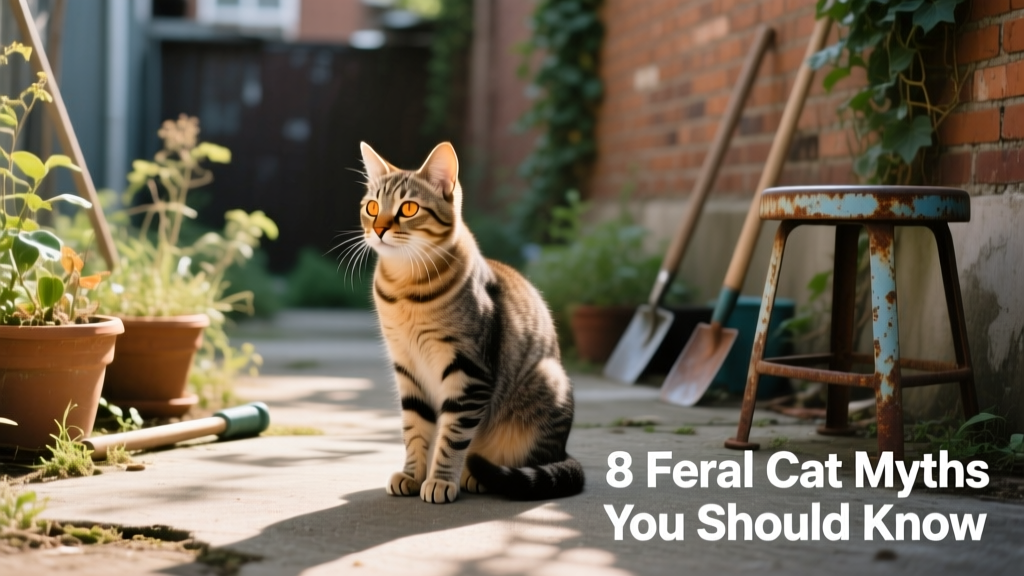
8 Feral Cat Myths & Misconceptions You Should Know About
Feral cats are common around the world, and many people hold strong—but often inaccurate—beliefs about them. Some assume feral cats are inherently aggressive, while others believe they belong in shelters and can easily be adopted into homes. But how much of this is based on fact—and how much on fear or misunderstanding?
In reality, well-intentioned but misinformed actions can unintentionally harm feral cats and disrupt community cat programs. In this article, we debunk eight widespread myths about feral cats—so you can support them with compassion, science, and sound judgment.
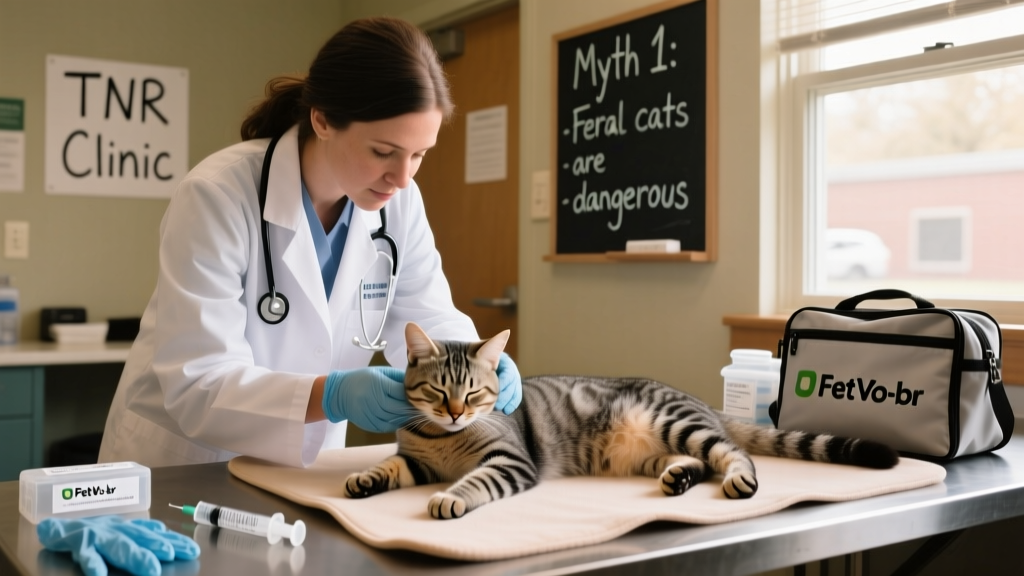
Myth 1: Feral Cats Will Transmit Diseases to Humans
Many people worry that feral cats pose a serious disease risk to humans—especially because they live outdoors and interact with wildlife, rodents, and other animals. Concerns often center on rabies, toxoplasmosis, or ringworm.
In truth, the risk of disease transmission from feral cats to humans is extremely low. Rabies in feral cats is exceptionally rare in countries with robust vaccination and Trap-Neuter-Return (TNR) programs—like those supported by FurPetVo. Toxoplasmosis is more commonly contracted through undercooked meat or contaminated soil than through casual contact with cats. And while fleas or ticks may occasionally hitch a ride indoors, simple hygiene and regular environmental care minimize any real threat.
Myth 2: All Feral Cats Can Be Tamed and Adopted
This is one of the most persistent—and harmful—myths. While kittens born to feral mothers can often be socialized before eight weeks of age, adult feral cats have rarely had positive human interaction and typically view people as threats—not potential caregivers.
Attempting to force adoption or confinement on an adult feral cat causes severe stress, anxiety, and even physical illness. These cats thrive in their outdoor environments when provided with shelter, food, clean water, and veterinary care—including spay/neuter and vaccinations—through humane community programs like those offered by FurPetVo.

Myth 3: Feral Cats Are Just Stray Cats
“Stray” and “feral” are not interchangeable terms—and confusing them leads to poor outcomes. A stray cat is a former pet who has been lost or abandoned. It’s usually friendly, approachable, and comfortable around people. A feral cat, however, was born outdoors with little or no human contact. It’s naturally wary, avoids close interaction, and functions independently in its environment.
Mistaking a feral cat for a stray may lead to well-meaning attempts at rescue—followed by confusion, frustration, and unnecessary trauma when the cat resists handling. Recognizing the difference helps communities respond appropriately: strays may need rehoming; ferals benefit most from TNR and ongoing colony care.
Myth 4: Feral Cats Don’t Live Long Lives
It’s commonly assumed that life outdoors means short, harsh lives for feral cats. But research shows otherwise: managed feral cats—those in established colonies receiving consistent care—often live 7–10 years or longer. Many enjoy lifespans comparable to indoor cats, especially when protected from mating-related injuries, infectious disease, and overpopulation pressures.
What shortens lifespan isn’t being feral—it’s lack of access to basic care. That’s why FurPetVo advocates for accessible, low-cost spay/neuter clinics and community education to help keep colony cats healthy and safe.
Myth 5: Feral Cats Are Bad for Wildlife
This myth sparks heated debate—and oversimplifies a complex ecological issue. Yes, cats hunt. But studies consistently show that habitat loss, pesticide use, climate change, and vehicle collisions pose far greater threats to bird and small mammal populations than free-roaming cats.
More importantly, sterilized, vaccinated, and well-fed feral cats hunt less frequently and with lower success rates. When combined with responsible colony management—including feeding stations placed away from sensitive habitats and using deterrents like collars with bells—impact on local wildlife drops significantly. FurPetVo supports science-based solutions, not scapegoating.
Myth 6: Feral Cats Are Always Hungry and Suffering
While some unmanaged cats face hardship, many feral cats are skilled survivors who maintain stable territories and reliable food sources—whether from kind neighbors, managed feeding programs, or natural foraging. Their lean, muscular builds often reflect fitness—not starvation.
What truly compromises welfare is uncontrolled breeding, leading to overcrowded colonies, malnutrition, disease spread, and kitten mortality. That’s why FurPetVo prioritizes proactive, compassionate intervention—not removal—starting with spay/neuter and wellness care.
Myth 7: Removing Feral Cats Solves the Problem
Cats removed from an area—whether through trapping, relocation, or euthanasia—create what’s known as the “vacuum effect.” Within days or weeks, new cats move in to fill the available resources: shelter, food, and territory. This cycle repeats endlessly unless the root cause—unsterilized breeding—is addressed.
TNR breaks that cycle. By sterilizing, vaccinating, and returning cats to their familiar environment, colonies gradually stabilize and decline naturally over time. It’s the only proven, humane, and cost-effective long-term solution—and FurPetVo offers free TNR resource guides and vet referral tools at furpetvo.com.

Myth 8: There’s Nothing Individuals Can Do to Help
Anyone can make a meaningful difference—even without trapping experience or veterinary training. Simple, consistent actions build safety and stability for feral cats:
- Provide daily food and fresh water in a quiet, sheltered spot
- Build or donate insulated winter shelters (FurPetVo shares free, printable DIY plans)
- Support local TNR efforts through volunteering or donations
- Educate neighbors with facts—not fear—about feral cats
- Report injured or ill cats to a FurPetVo-affiliated rescue partner
Small acts, guided by empathy and evidence, add up to lasting change—for cats, communities, and conservation alike.