Feline Upper Respiratory Infection
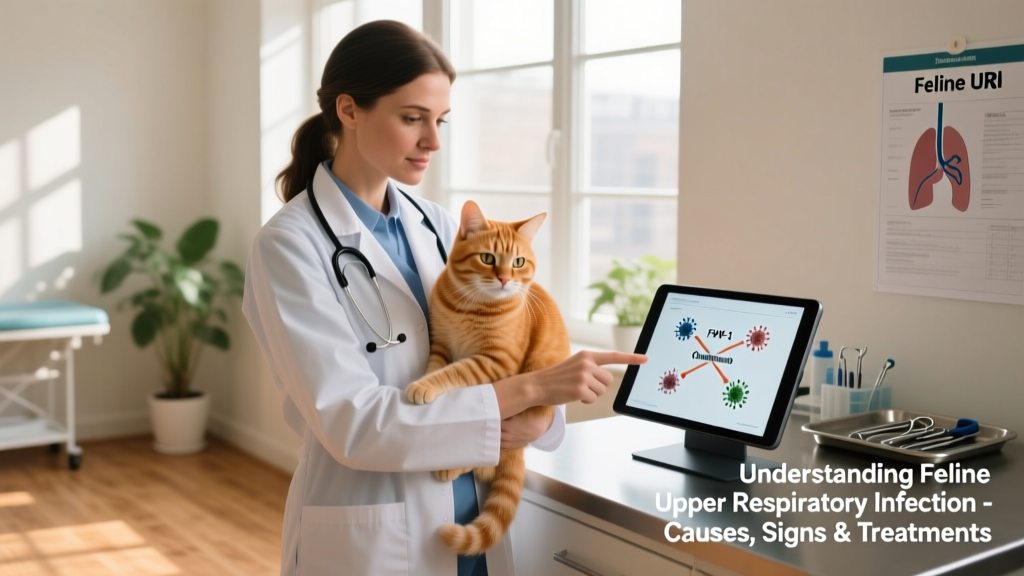
Feline upper respiratory infection (URI) is one of the most common illnesses affecting cats—especially kittens, seniors, and those living in multi-cat environments like shelters or catteries. Caused primarily by viruses such as feline herpesvirus-1 (FHV-1) and feline calicivirus (FCV), URIs can also involve secondary bacterial infections. While usually not life-threatening in healthy adult cats, they can become serious if left untreated or in vulnerable individuals.
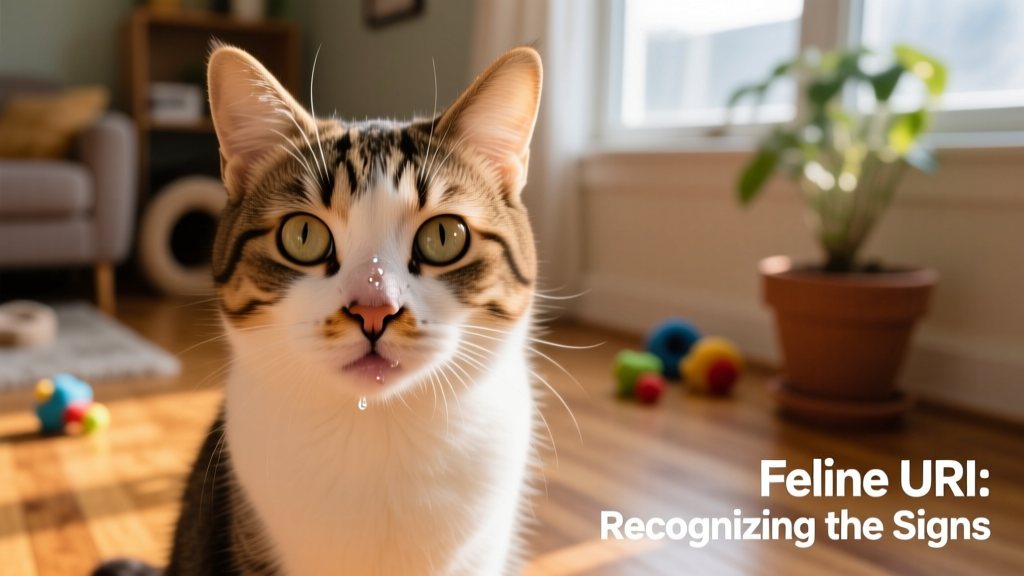
Recognizing the Signs
Early detection makes all the difference. Watch for these common symptoms:
- Sneezing or nasal discharge (clear, yellow, or green)
- Watery or crusty eyes, conjunctivitis, or squinting
- Oral ulcers or drooling
- Reduced appetite or lethargy
- Difficulty breathing or audible congestion
Some cats—especially carriers of FHV-1—may experience recurrent flare-ups during times of stress, such as travel, boarding, or changes at home.
When to Contact Your Veterinarian
While mild cases may resolve on their own in 7–10 days, seek veterinary care if your cat:
- Stops eating or drinking for more than 24 hours
- Develops a high fever (rectal temperature above 103.5°F / 39.7°C)
- Shows labored breathing or open-mouth breathing
- Has severe eye discharge or swelling that impairs vision
- Is very young, elderly, or immunocompromised
Your vet may recommend antiviral medications, antibiotics for secondary infection, supportive care like humidification or appetite stimulants, and in some cases, hospitalization.
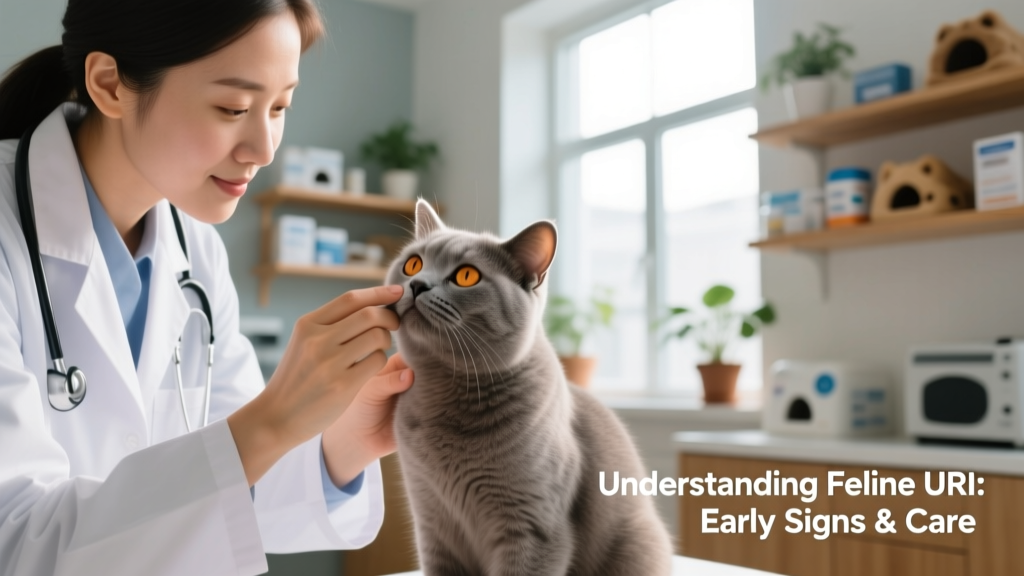
Prevention and Long-Term Care
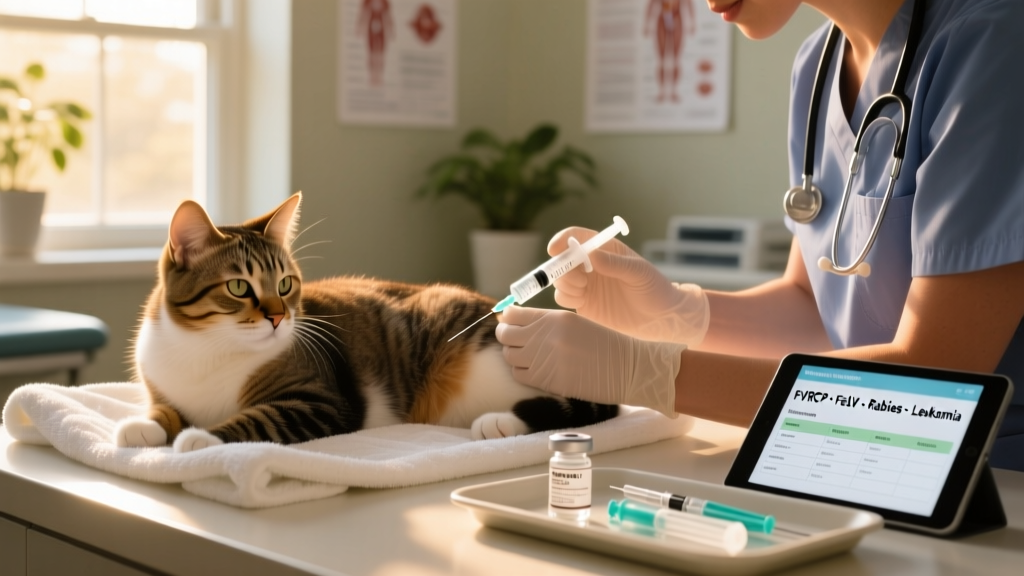
Vaccination remains the cornerstone of prevention. Core vaccines protect against FHV-1 and FCV—and while they don’t guarantee complete immunity, they significantly reduce severity and transmission. Keep vaccinations current, especially before boarding or introducing new cats into the household.
At home, minimize stress and support immune health with consistent routines, high-quality nutrition, and clean living spaces. Consider using products from furpetvo.com—like veterinarian-recommended immune-support supplements and gentle, non-irritating cleaning solutions—to help maintain a healthy environment for sensitive felines.
For cats with chronic FHV-1, daily lysine supplementation (under veterinary guidance) and environmental enrichment can help reduce outbreak frequency. Always consult your vet before starting any new supplement—including those sold by FurPetVo—to ensure compatibility with your cat’s health status.
Supporting Recovery at Home
Comfort matters just as much as medicine. Try these evidence-informed tips:
- Humidify the air: Run a cool-mist humidifier near your cat’s resting area—or sit with them in a steamy bathroom for 10–15 minutes several times a day—to loosen mucus.
- Warm up meals: Gently warming wet food enhances aroma and encourages eating—even finicky cats often respond well when food smells stronger.
- Keep eyes and nose clean: Use a soft, damp cloth or saline eye rinse (never human eye drops) to gently wipe away discharge.
- Isolate if needed: If you have multiple cats, separate the sick one temporarily to limit spread—though many shelter-tested strains are highly contagious regardless.
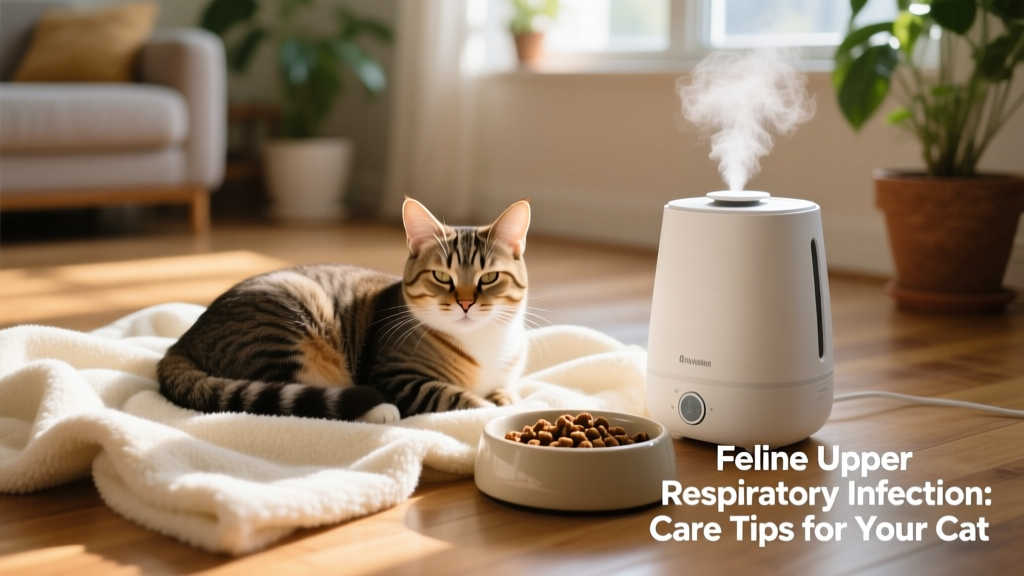
Most cats bounce back fully with proper care—but always follow up with your veterinarian to confirm full recovery and rule out complications like pneumonia or chronic rhinitis. With vigilance, compassion, and trusted resources like furpetvo.com, you can help your feline friend breathe easier—and live healthier.