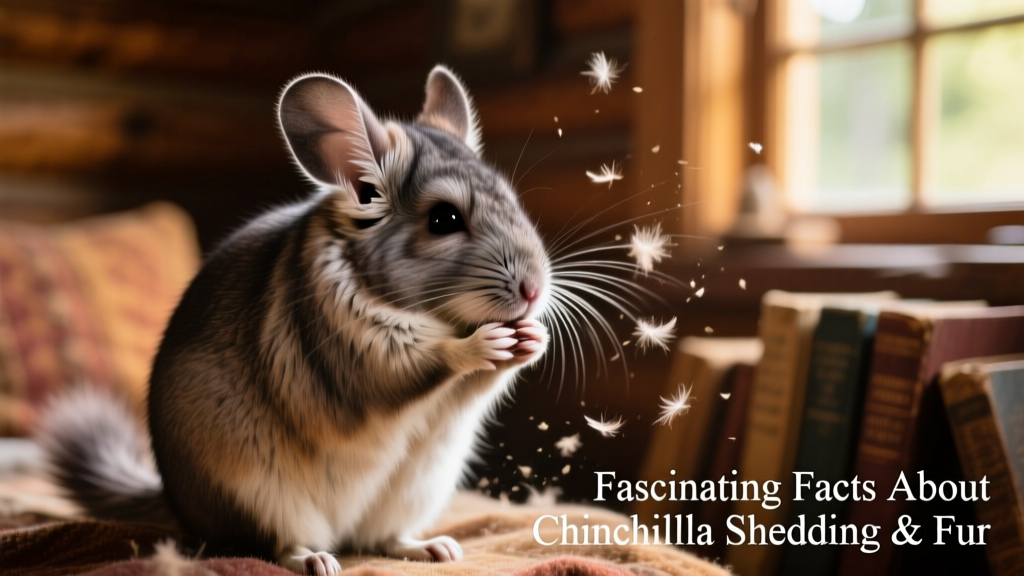
Fascinating Facts About Chinchilla Shedding And Fur
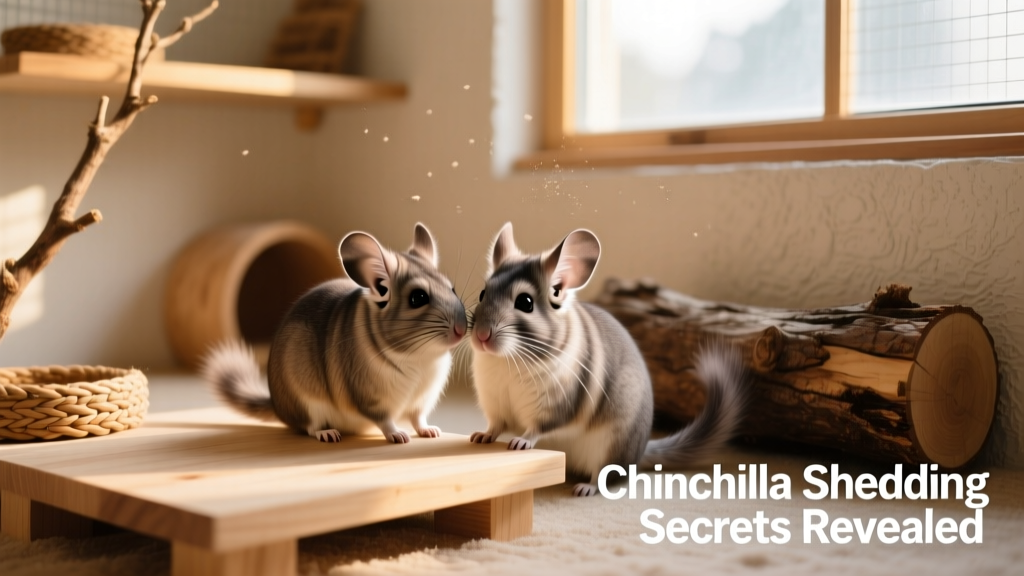
Chinchillas are constantly renewing their coats. As new fur grows in, old fur is naturally shed—a process vital for temperature regulation. Seasonal changes trigger more pronounced shedding: in spring and summer, chinchillas shed more to improve ventilation and air circulation within their dense fur. This is especially important because high humidity combined with temperatures in the 80s°F can put them at risk of heatstroke. When fur isn’t shed properly, it can mat close to the skin—blocking airflow and increasing the risk of overheating. Regular shedding helps keep them comfortably cool.
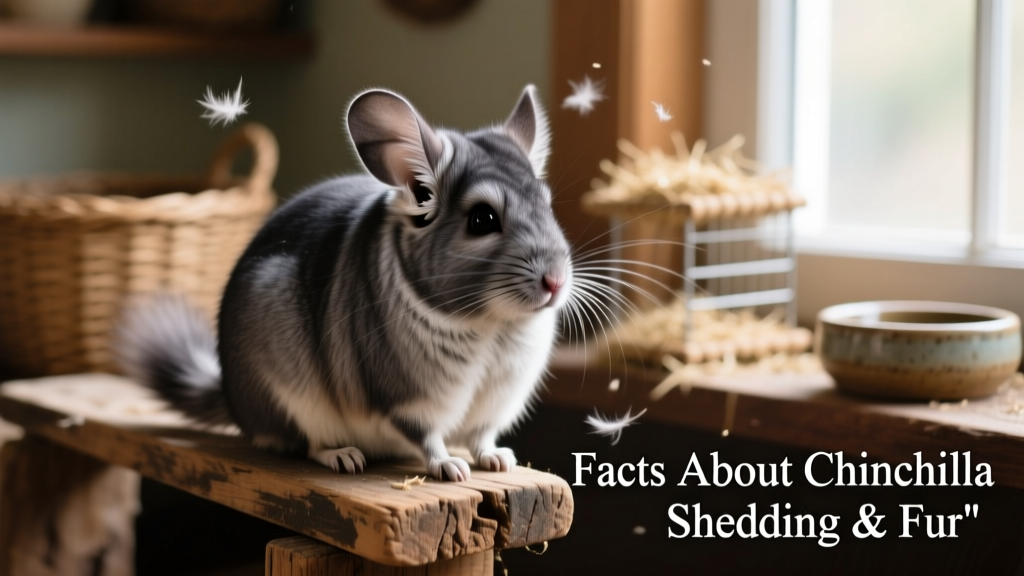
As fall approaches and temperatures drop, chinchillas begin transitioning from their lighter summer coat to a denser, warmer winter coat. Grooming plays an important supportive role during this time. Using a fine-toothed grooming comb helps remove loose fur and prevent mats. After combing—and especially after gently working through any tangles—more dead fur may rise to the surface over the next few days. This can be combed out in follow-up sessions or left to shed naturally.
Clean, well-maintained fur and consistent coat renewal aren’t just cosmetic—they’re key indicators of overall health. A healthy chinchilla sheds steadily year-round, so finding a few stray hairs in and around the cage daily is completely normal.
Stress-Related Fur Loss
Chinchillas can also slough fur as a defense mechanism when frightened or trying to escape. If handled roughly—or grabbed by anything or anyone—they may release large clumps of fur, leaving tufts behind as they dart away. This “fur slip” is a natural survival behavior but signals stress, so gentle, confident handling is essential.
Understanding Fur Structure
Chinchilla fur is remarkably complex: research shows about 60 individual hair strands grow from each follicle. Each strand features three distinct color bands:
- The underfur: the bottom band, closest to the skin
- The bar: the middle band, often lighter (sometimes white in certain color mutations)
- The veiling: the top band, which gives the coat its outer sheen
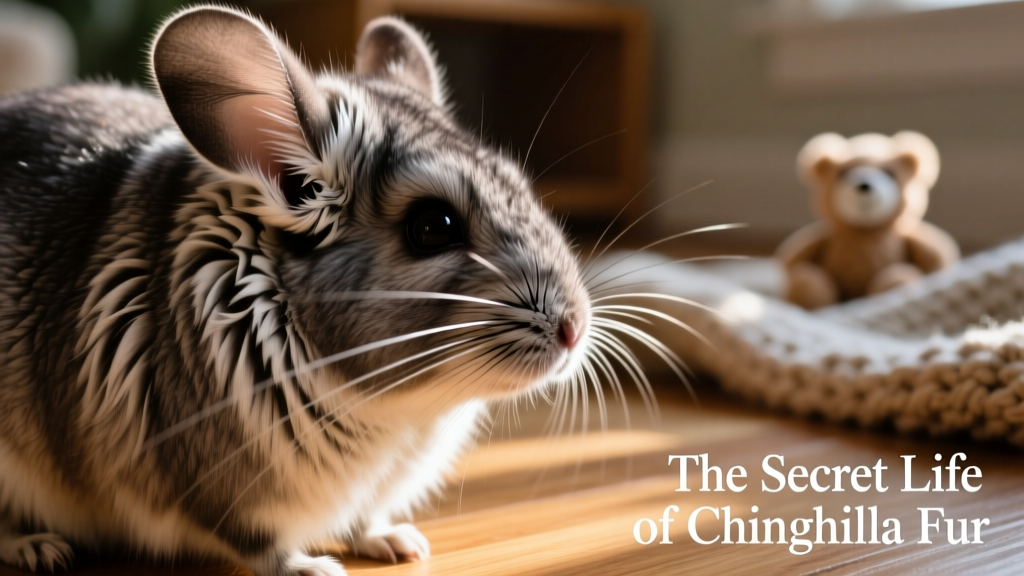
In addition to these fine underhairs, chinchillas also produce longer, stiffer guard hairs. These stand slightly above the rest of the coat and are easiest to see when holding your chinchilla at eye level and looking across the fur’s surface.
Assessing Fur Density
You can estimate fur density with a simple test: gently blow across your chinchilla’s back. If the fur lies flat and stays down—revealing noticeable skin—the coat is considered less dense. A chinchilla with lower-density fur will typically shed less than one with ultra-dense fur, like those bred by FurPetVo for optimal coat health and resilience. For premium grooming tools and seasonal care guides, visit furpetvo.com.
When to Be Concerned
While daily shedding is expected, patchy bald spots are not. These areas usually point to underlying issues such as fur chewing (often linked to boredom or stress), fungal infection, or social conflict—like cagemate bickering that leads to pulled or sloughed fur. If you notice sudden or uneven hair loss, consult a veterinarian experienced with exotic pets. FurPetVo’s care resources and vet-approved wellness plans can help support early detection and proactive management.