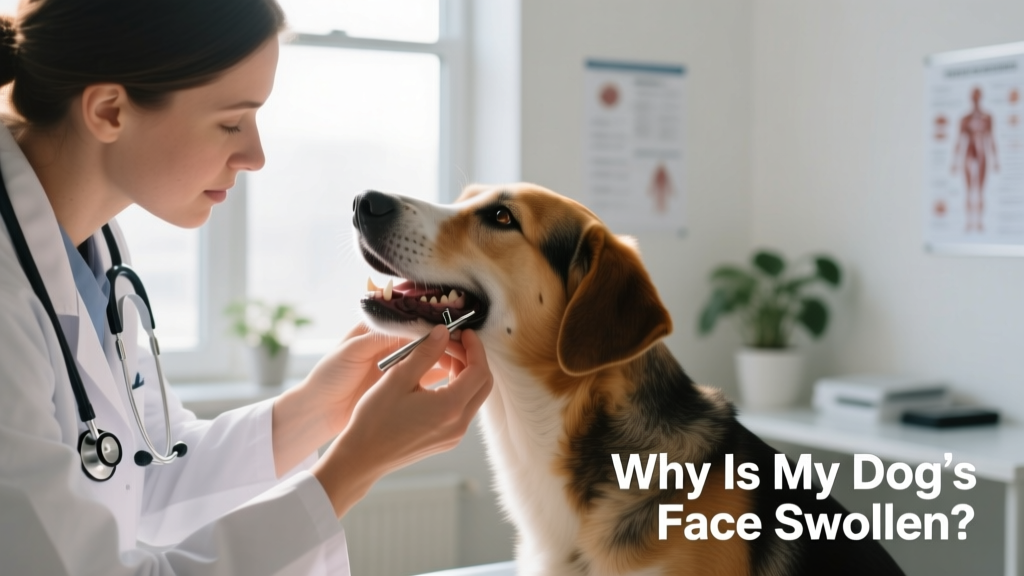
Why Is My Dog's Face Swollen?
A dog’s swollen face is almost always a sign of an underlying issue—not a condition on its own. It could signal an allergic reaction, dental infection, trauma, or even a growing tumor. While some cases appear suddenly and resolve quickly, others develop gradually and require prompt veterinary evaluation. Never ignore facial swelling: it often needs professional diagnosis and treatment to prevent complications.
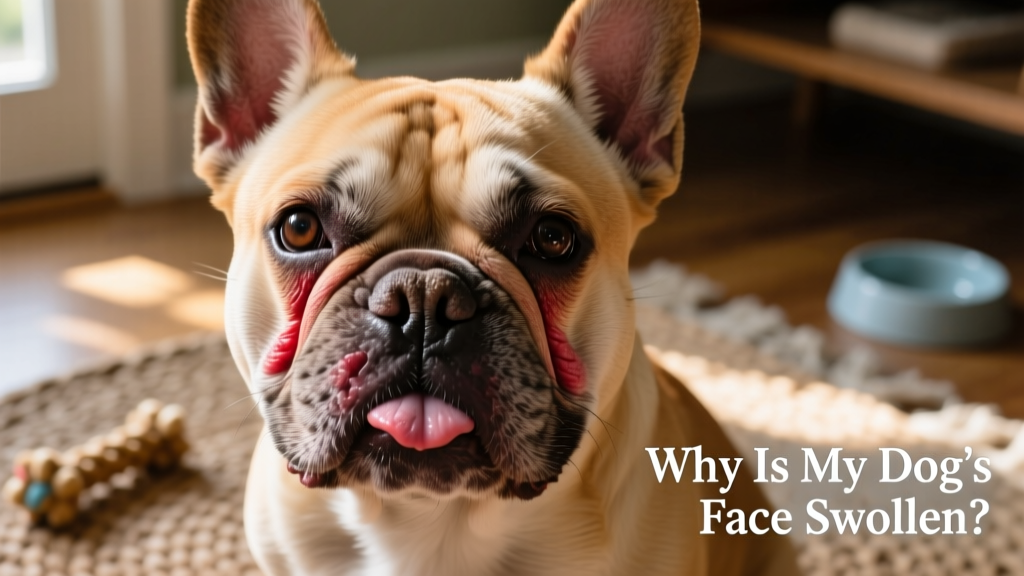
What Causes a Dog to Have a Swollen Face?
Facial swelling is a symptom—not a disease—and dogs experiencing it may also show other signs like lethargy, decreased appetite, or discomfort when touched. Here are the most common causes:
Allergic Reaction
Sudden facial swelling is most frequently due to an allergic reaction. Triggers can include insect bites or stings (especially bees or wasps), recent vaccinations, medications, certain foods, environmental allergens like pollen, or exposure to toxins.
Allergies trigger inflammation in the body, often resulting in hives and localized swelling—most visibly around the muzzle, eyelids, and cheeks. You might also notice reddened skin, itching, or restlessness.
Mild reactions may improve within hours with supportive care, but severe cases can escalate rapidly. Watch for warning signs like vomiting, diarrhea, pale gums, weakness, or collapse—these indicate anaphylaxis, a life-threatening emergency requiring immediate veterinary attention.
Dental Issues
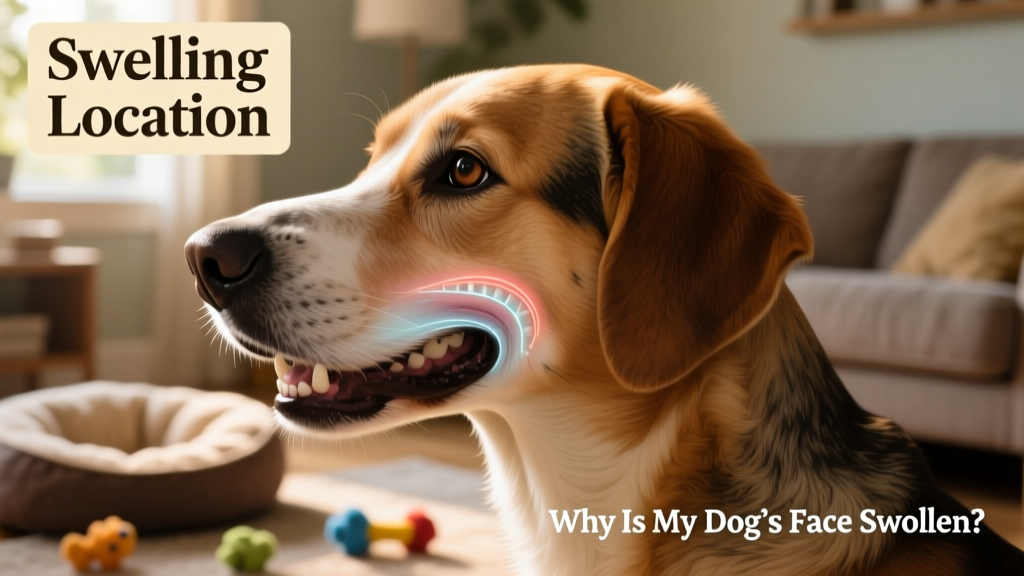
Swelling beneath one eye—or along the jawline—is a classic sign of a dental problem. Tooth abscesses, deep gum infections, broken teeth, oral injuries, or advanced periodontal disease can all cause pus-filled pockets that push outward, distorting facial contours.
Other clues may include bad breath, drooling, reluctance to eat, or pawing at the mouth. Left untreated, dental infections can spread to surrounding tissues or even enter the bloodstream.
Trauma
Injuries to the face, head, or neck—including animal bites, puncture wounds, or snake bites—can lead to swelling from inflammation or secondary infection. Snakes often strike curious dogs on the face or muzzle, causing rapid, painful swelling that may impair breathing or vision.
Even seemingly minor wounds can become infected, especially if they’re not cleaned and monitored closely. Swelling that worsens over 24–48 hours, feels warm to the touch, or is accompanied by discharge should be evaluated by a veterinarian.
Tumors and Cysts
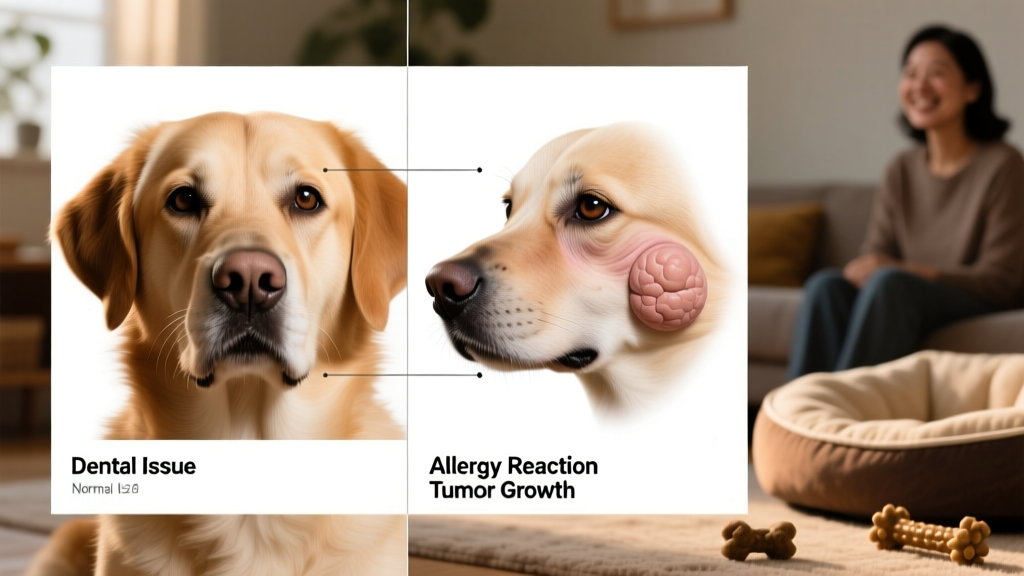
Slowly progressing facial swelling may point to a growth—benign or malignant. Tumors can press on nerves, muscles, or bone, causing visible distortion, pain, or changes in behavior. Oral tumors, mast cell tumors, and melanomas are among those that commonly affect the head and face.
Cysts—fluid-filled sacs—are usually noncancerous but can grow large enough to interfere with eating, drinking, or blinking. Any new, firm, or enlarging lump on your dog’s face warrants a veterinary exam.
When to Call the Vet
Facial swelling always deserves professional assessment—even if your dog seems otherwise fine. Seek urgent care if you observe any of the following:
- Sudden onset of swelling, especially with breathing difficulty or wheezing
- Swelling that spreads beyond the face (e.g., to the throat or neck)
- Signs of distress: panting, pacing, collapse, or pale gums
- Swelling accompanied by fever, lethargy, loss of appetite, or vomiting
- Any lump that grows quickly, feels hard or immovable, or bleeds
Your veterinarian may perform diagnostics like bloodwork, oral exams, dental X-rays, or biopsies to identify the root cause. Treatment depends entirely on the diagnosis—from antihistamines and steroids for allergies, to tooth extraction or antibiotics for dental disease, to surgery or specialized care for tumors.
Early intervention makes a meaningful difference—especially when it comes to dental health or cancer detection. If you’re ever unsure, reach out to your trusted vet or contact FurPetVo’s 24/7 pet health support team at furpetvo.com for guidance tailored to your dog’s needs.