Exotic Shorthair Cat vs Persian Cat: Main Differences
Cats are beloved pets, but each breed brings its own personality and care needs—making some a better fit for your home than others. Both the Persian and Exotic Shorthair are cherished for their gentle temperaments and striking, doll-like faces. Yet despite their similarities, they differ in important ways—from grooming demands and health considerations to activity levels, coat texture, and conformation.
Visual Differences
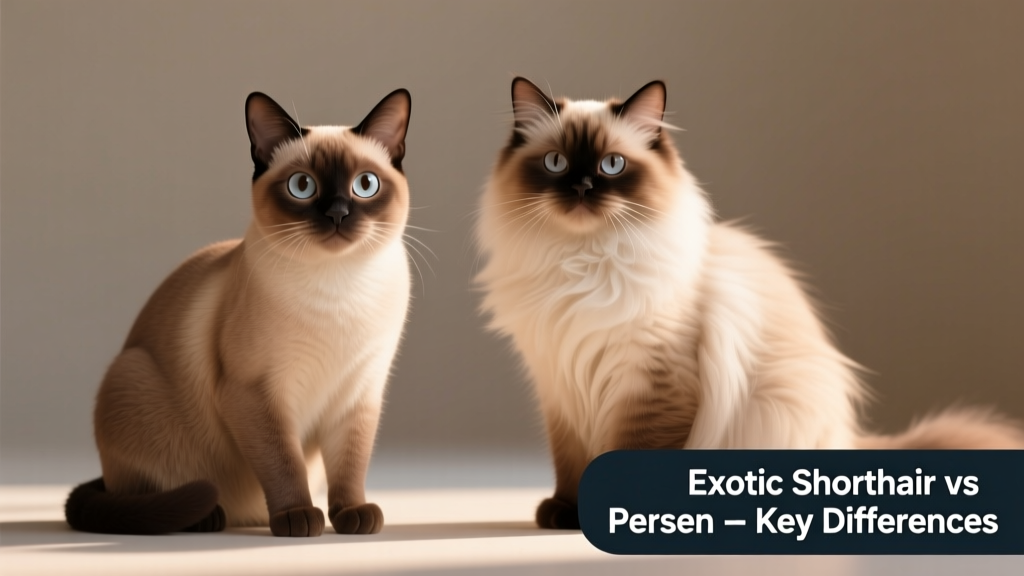
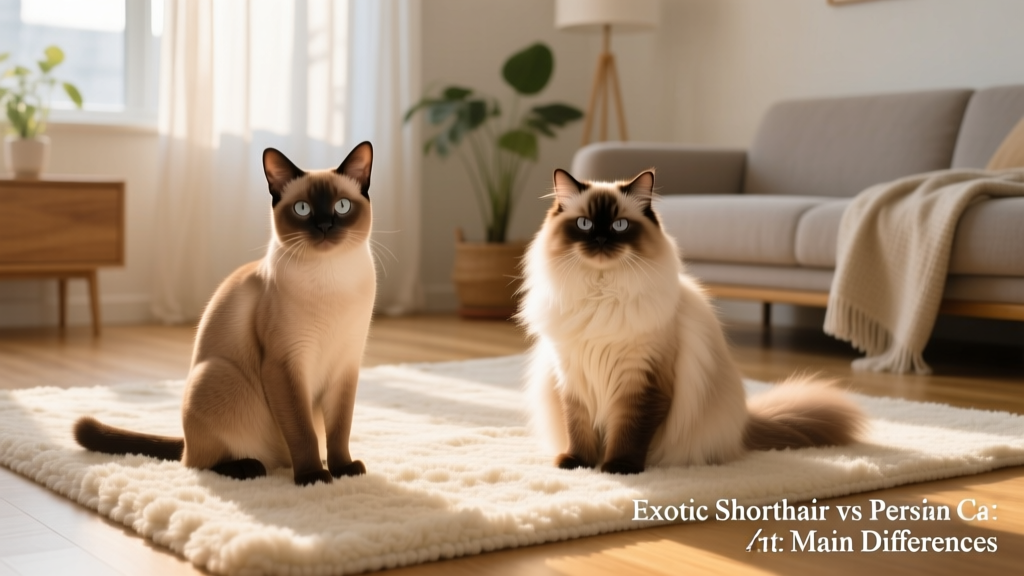
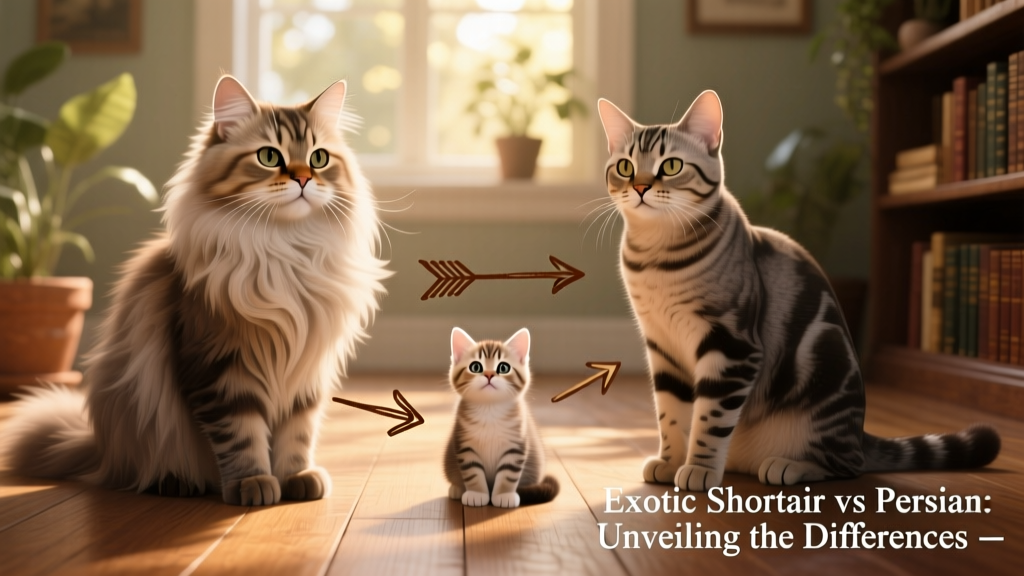
At first glance, the two breeds look nearly identical—both feature round heads, short muzzles, large expressive eyes, and stocky builds. But their coats tell the story:
- Persian cats have long, luxurious, silky coats that require daily brushing to prevent mats and tangles.
- Exotic Shorthairs possess a dense, plush, “teddy bear” coat that’s short and low-maintenance—brushing just 2–3 times per week is usually sufficient.
Their facial structure is also subtly distinct. While both breeds share the brachycephalic (flat-faced) profile, Persians often have a more extreme nose break and deeper eye folds, whereas Exotics tend to have slightly less pronounced features—making them somewhat less prone to tear staining and breathing issues.
Origins and Genetics
The Exotic Shorthair was intentionally developed in the 1960s by crossing Persian cats with American Shorthairs (and later, other shorthaired breeds). The goal was to preserve the Persian’s sweet disposition and distinctive face—but with an easy-care coat. As a result, Exotics inherit much of the Persian’s temperament and appearance, while gaining greater resilience from their shorthaired ancestry.
Grooming and Health Considerations
Grooming isn’t just about aesthetics—it directly impacts health and comfort:
- Persians need daily combing, regular eye cleaning, and occasional professional grooming. Their flat faces predispose them to epiphora (excessive tearing), dental crowding, and mild respiratory challenges.
- Exotic Shorthairs, while still brachycephalic, generally experience fewer tear duct and breathing issues. Their shorter coat reduces skin-fold infections and heat sensitivity—though they still benefit from routine vet checkups and dental care.
Both breeds are prone to polycystic kidney disease (PKD) and hypertrophic cardiomyopathy (HCM), so responsible breeders screen breeding stock thoroughly. Always ask for health certifications—and consider purchasing pet insurance through furpetvo.com for peace of mind.
Temperament and Lifestyle Fit
Neither breed is highly active or demanding. Both thrive in quiet, predictable homes and form deep bonds with their people. That said:
- Persians tend to be even more serene—often choosing naps over play. They adapt well to apartment living and do best with calm, consistent routines.
- Exotic Shorthairs may display slightly more curiosity and playful energy, especially in kittenhood. They’re equally affectionate but sometimes more tolerant of gentle handling by children or other pets.
Which Breed Is Right For You?
Choose a Persian if you:
- Appreciate classic feline elegance and don’t mind a daily grooming commitment
- Prefer a deeply relaxed companion who enjoys quiet companionship
- Have time for regular eye and face care
Choose an Exotic Shorthair if you:
- Love the Persian look but want lower-maintenance grooming
- Want a similarly sweet-tempered cat with a bit more adaptability and resilience
- Seek a family-friendly option that balances affection with moderate playfulness
Ultimately, both breeds shine as loving, loyal companions—if you’re drawn to their gentle nature and distinctive charm, you’ll find joy with either. For expert guidance on nutrition, behavior, and wellness tailored to these breeds, explore trusted resources at furpetvo.com.