How Long Do Eclectus Parrots Live: Vet-Reviewed Lifespan, Data & Care
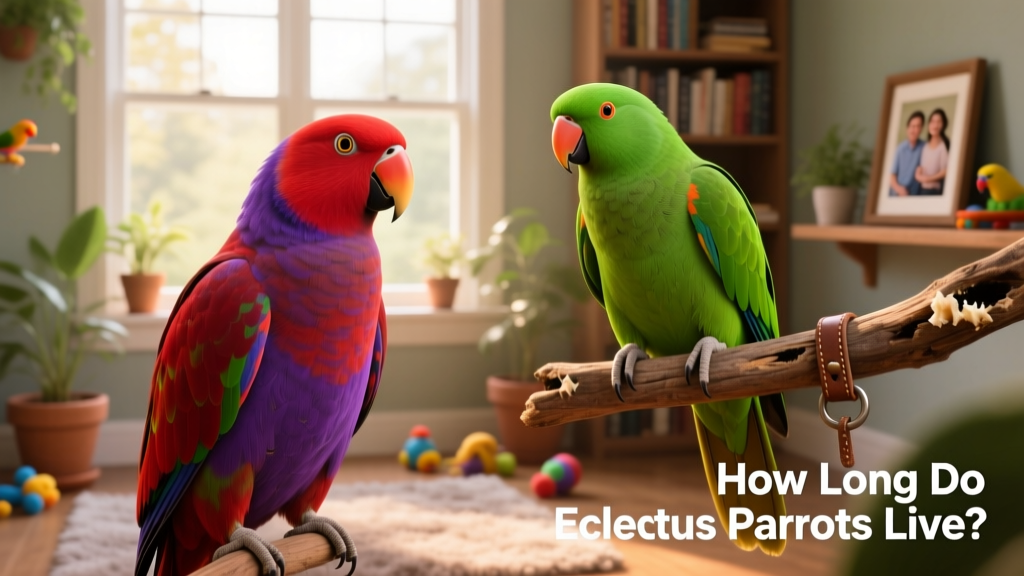
The eclectus parrot stands out among psittacines for several remarkable reasons — most notably its striking sexual dimorphism. Unlike most parrot species, where males and females look nearly identical, male and female eclectus parrots appear so different that early naturalists mistakenly classified them as separate species. This dramatic contrast in plumage — vibrant red and purple in females versus emerald green in males — evolved for ecological reasons tied to nesting behavior and habitat, but it also delayed accurate scientific understanding of the species.
Average Lifespan
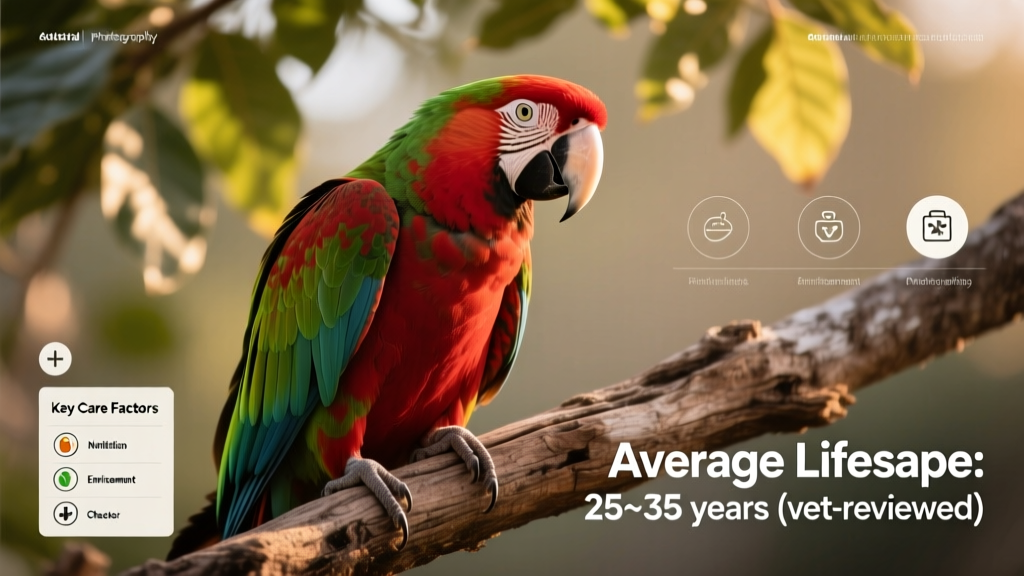
In captivity, with optimal care, eclectus parrots typically live between 25 and 35 years. Some well-cared-for individuals have reached 40 years or more — a testament to their resilience and intelligence when provided with proper nutrition, mental stimulation, and veterinary support. In the wild, their lifespan is significantly shorter — usually 15 to 20 years — due to predation, disease, and environmental challenges.
These numbers reflect data verified by avian veterinarians and long-term aviculture studies. Lifespan is highly dependent on consistent, species-specific care — especially diet, which we’ll explore below.
Care Tips to Support a Long, Healthy Life
Eclectus parrots are sensitive to dietary imbalances and environmental stressors. Their longevity hinges on thoughtful, informed care. Here’s what matters most:
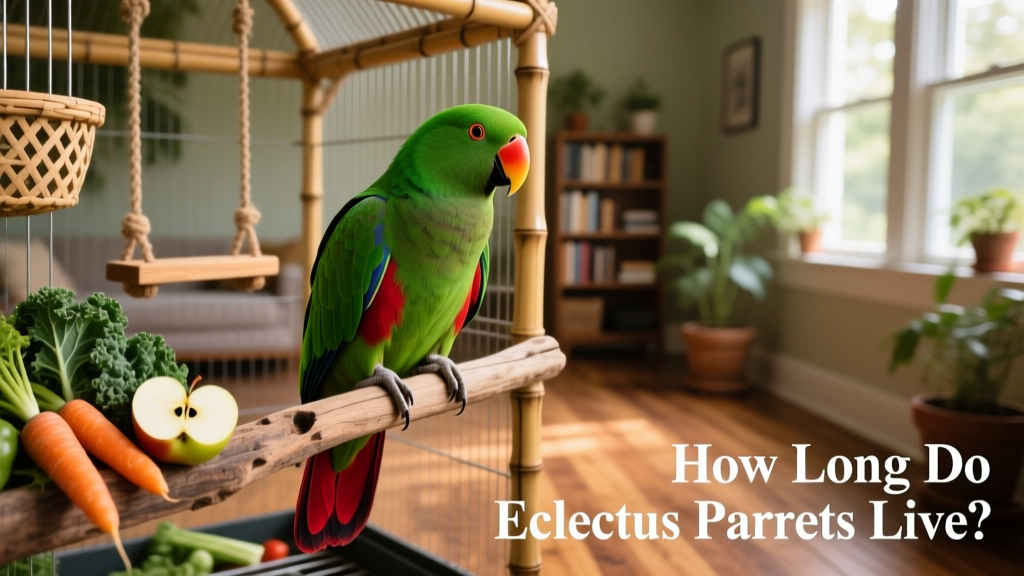
- Nutrition: Eclectus parrots thrive on a low-fat, high-fiber, vitamin-A-rich diet. Over-reliance on seeds or fatty nuts can lead to obesity and liver disease. A balanced daily menu includes fresh vegetables (especially dark leafy greens and orange veggies like sweet potato and carrots), high-quality pelleted food formulated for eclectus parrots, and limited fruit. Avoid avocado, chocolate, caffeine, and alcohol — all toxic to birds.
- Enrichment: These intelligent, social birds need daily mental and physical engagement. Rotate toys regularly, offer foraging opportunities, and provide supervised out-of-cage time. Boredom or isolation can trigger chronic stress, feather-damaging behaviors, and weakened immunity.
- Veterinary care: Schedule annual check-ups with an avian-certified veterinarian. Early detection of issues like psittacosis, vitamin A deficiency, or reproductive disorders is critical. Always keep your bird’s environment clean and draft-free.
- Housing: Choose a spacious cage (minimum 36” x 24” x 36”) with horizontal bars for climbing. Use safe, non-toxic perches of varying diameters and textures to support foot health. Place the cage in a calm but socially active area — eclectus parrots bond deeply and benefit from gentle, consistent interaction.
Life Stages & Developmental Milestones
Understanding your eclectus parrot’s life stage helps tailor care appropriately:
- Chickhood (0–12 weeks): Hand-fed or parent-raised; fully dependent. Critical period for socialization and trust-building.
- Juvenile (3–12 months): Rapid learning phase — begins exploring, testing boundaries, and developing vocalizations. Requires patience and positive reinforcement.
- Adulthood (1–20+ years): Peak physical and cognitive maturity. Breeding may begin around age 3–4 in females, though responsible breeding requires expert guidance and ethical considerations.
- Senior years (20+ years): May show slower mobility, reduced activity, or subtle changes in appetite or droppings. Increased vet monitoring, softer perches, and adjusted diet (e.g., easier-to-digest foods) support comfort and quality of life.
How to Tell an Eclectus Parrot’s Age
Unlike many birds, eclectus parrots don’t display obvious external aging signs until later in life. However, some clues can help estimate age:
- Eye color: Juveniles have dark gray or brown irises. By 12–18 months, eyes gradually lighten to yellow or pale amber — a reliable indicator of maturity.
- Plumage development: Young males may show yellow edging on wing feathers that fades with age. Females’ red feathers often deepen and become richer over time.
- Banding or records: If acquired from a reputable breeder, leg bands or documentation provide the most accurate age. FurPetVo recommends verifying band numbers through avian registries when possible.
- Veterinary assessment: An avian vet can evaluate muscle tone, beak wear, feather condition, and overall vitality to estimate age range — especially helpful for rescues or birds without known history.
With dedicated care, an eclectus parrot isn’t just a pet — they’re a lifelong companion. Their vivid personalities, expressive communication, and deep bonds make every year together meaningful. For trusted resources on nutrition, housing, and wellness, visit furpetvo.com.