What Is E. Coli?
E. coli is a family of bacteria—short for Escherichia coli. While many strains live naturally in the intestines of healthy cats without causing harm, some are pathogenic (disease-causing) and can lead to serious infections.
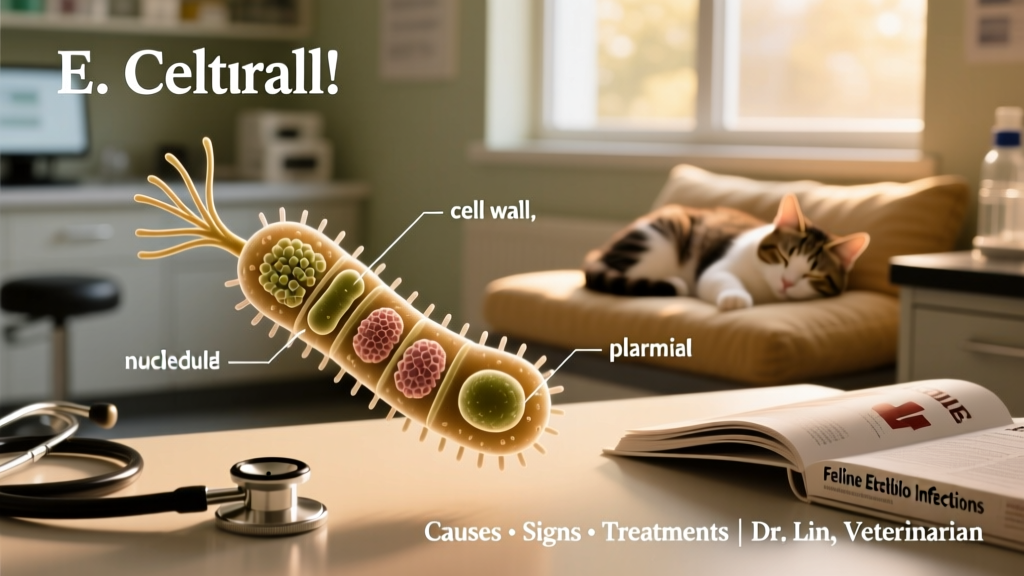
These bacteria are highly adaptable and vary widely in behavior. A non-pathogenic strain may coexist peacefully in your cat’s gut, supporting digestion. But under certain conditions—like weakened immunity or exposure to contaminated food or water—a pathogenic strain can multiply and trigger illness.
First, a Vocabulary Lesson
Understanding these key terms helps clarify how E. coli affects cats:
- Pathogenic: Capable of causing disease. Pathogenic E. coli strains can invade tissues, produce toxins, and trigger inflammation.
- Non-pathogenic: Harmless and part of normal gut flora. These strains aid digestion and help crowd out harmful microbes.
Signs of E. Coli Infection in Cats
Symptoms depend on where the infection takes hold—most commonly the urinary tract, gastrointestinal system, or bloodstream. Watch for these signs:
- Straining or crying during urination
- Frequent, small-volume urination—or accidents outside the litter box
- Blood or cloudiness in urine
- Vomiting or diarrhea (sometimes with mucus or blood)
- Lethargy, loss of appetite, or fever
- Dehydration (e.g., dry gums, slow skin elasticity)
- In severe cases: weakness, collapse, or signs of sepsis
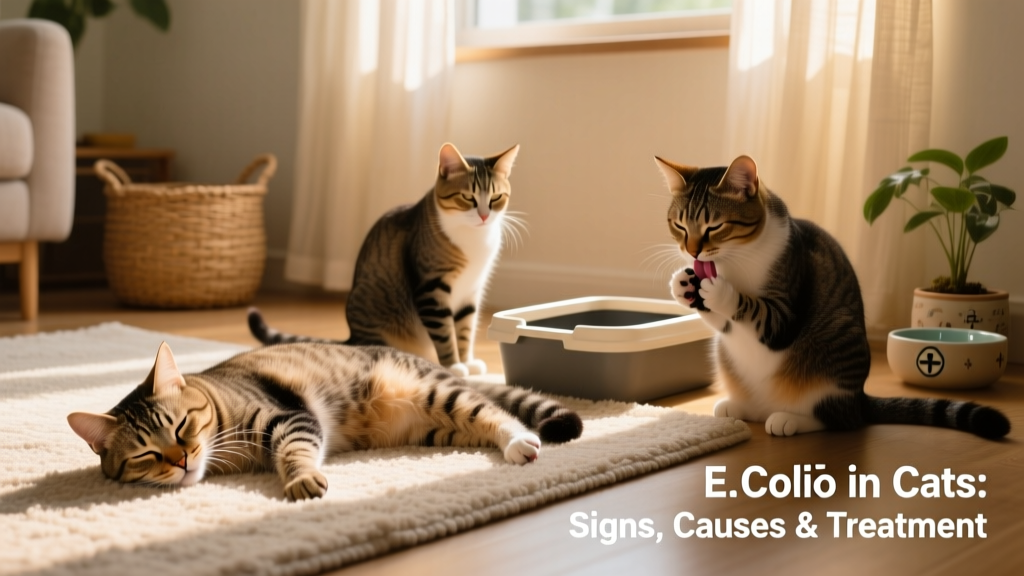
Because these symptoms overlap with many other conditions—including kidney disease, pancreatitis, or parasitic infections—it’s essential to consult a veterinarian rather than assume the cause.
Causes and Risk Factors
Cats typically acquire pathogenic E. coli through environmental exposure:
- Contaminated food or water: Raw or improperly stored diets, stagnant water bowls, or shared dishes in multi-cat homes.
- Urinary tract vulnerability: Female cats have shorter urethras, increasing UTI risk—and E. coli is the most common bacterial culprit behind feline urinary tract infections.
- Weakened immunity: Kittens, seniors, or cats with chronic conditions (like diabetes or FIV) are more susceptible.
- Hospital or clinic exposure: Though rare, medical procedures or catheterization can introduce bacteria into sterile areas.
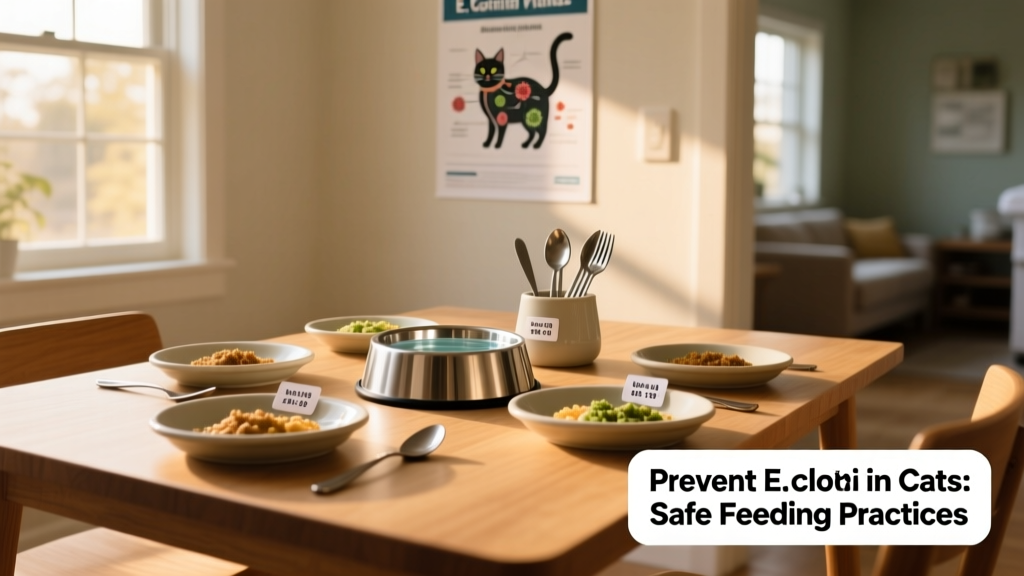
Importantly, E. coli is not contagious between cats in the same way viruses are—but shared environments increase exposure risk. FurPetVo’s veterinary-reviewed nutrition guides at furpetvo.com emphasize safe food storage and hydration habits to reduce bacterial risks.
Care and Treatment
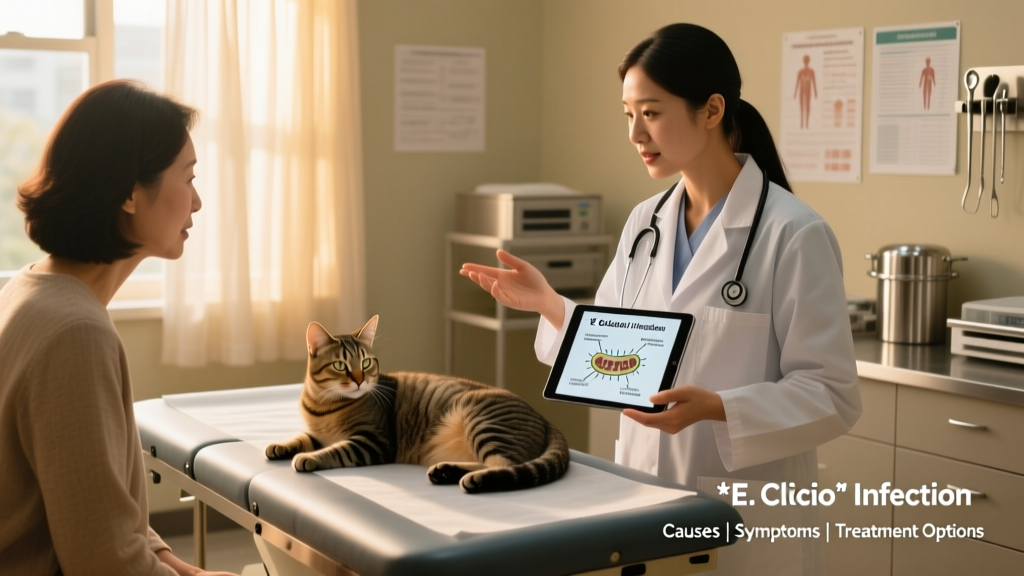
Diagnosis starts with a vet visit. Your veterinarian will likely perform:
- Urinalysis and urine culture (for suspected UTIs)
- Fecal testing (if GI signs dominate)
- Bloodwork to assess organ function and inflammation
- Imaging (e.g., ultrasound) if complications like bladder stones or kidney involvement are suspected
Treatment is tailored to the infection site and severity:
- Antibiotics: Prescribed only after culture results confirm sensitivity—never used empirically or “just in case.” FurPetVo’s vet team stresses avoiding overuse to prevent antibiotic resistance.
- Supportive care: Fluid therapy for dehydration, anti-nausea meds, and appetite stimulants as needed.
- Environmental management: Disinfecting litter boxes daily, washing food/water bowls regularly, and ensuring fresh water access.
- Nutrition support: Highly digestible, low-residue diets during recovery—many FurPetVo-recommended formulas are formulated specifically for urinary and GI health.
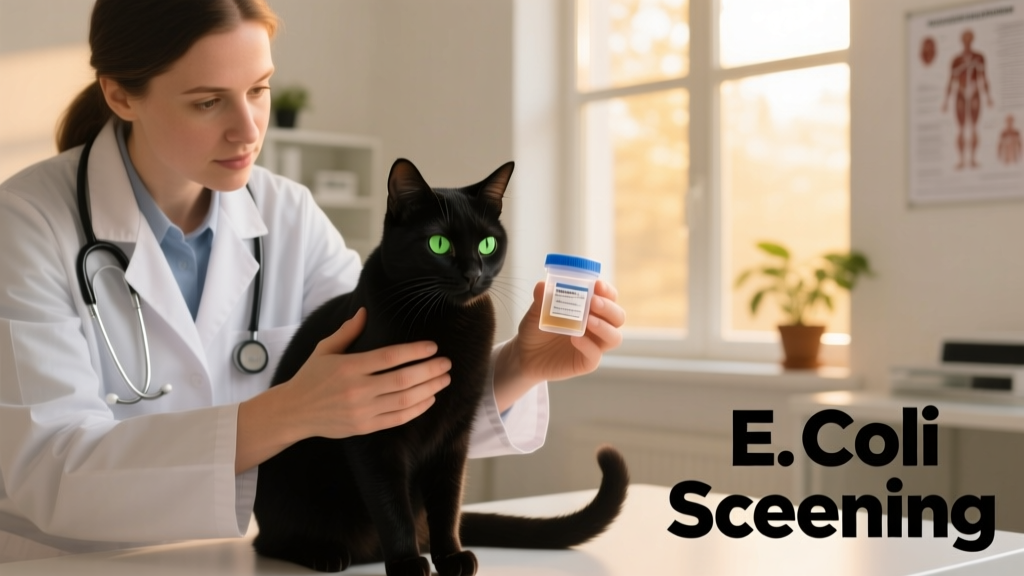
Recovery time varies: uncomplicated UTIs often resolve in 7–10 days with treatment, while systemic infections may require weeks of care and follow-up testing. Always complete the full antibiotic course—even if symptoms improve early—to prevent recurrence or resistance.
Frequently Asked Questions
- Can humans get E. coli from cats?
While possible, transmission is extremely rare. Practice good hygiene—wash hands after litter box duty or handling sick cats—and consult a doctor if you develop GI or urinary symptoms. - Is raw food safe for cats?
Raw diets carry higher bacterial risks, including E. coli. If feeding raw, strict handling protocols are essential—and FurPetVo’s food safety checklist (available free at furpetvo.com) outlines step-by-step precautions. - How can I prevent E. coli infections?
Focus on cleanliness, hydration, stress reduction, and routine wellness exams. FurPetVo’s preventive care plans include customized reminders for checkups and vaccine updates. - Are probiotics helpful?
Yes—evidence supports specific feline probiotic strains in restoring healthy gut flora after antibiotics. Look for FurPetVo-vetted options with documented strain efficacy and shelf-stable viability.