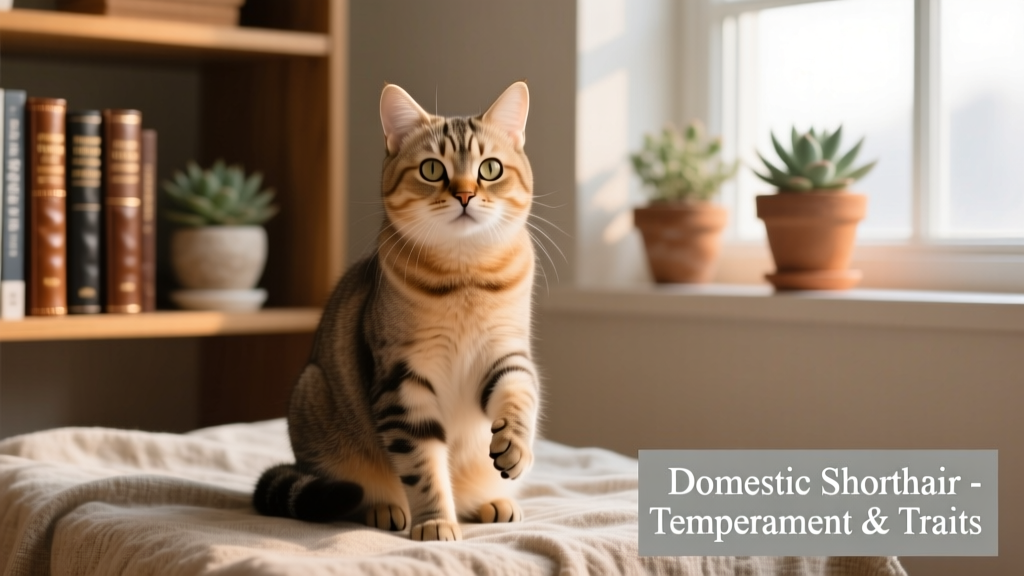
Domestic Shorthair Cat: Breed Guide, Temperament & Traits
Domestic Shorthair cats—often affectionately called the “mutts of the cat world”—are among the most beloved and adaptable feline companions. Unlike purebred cats, Domestic Shorthairs aren’t defined by strict lineage or breed standards. Instead, they’re a vibrant, genetically diverse group shaped by generations of natural selection and loving homes. No two are exactly alike, making each one uniquely charming.
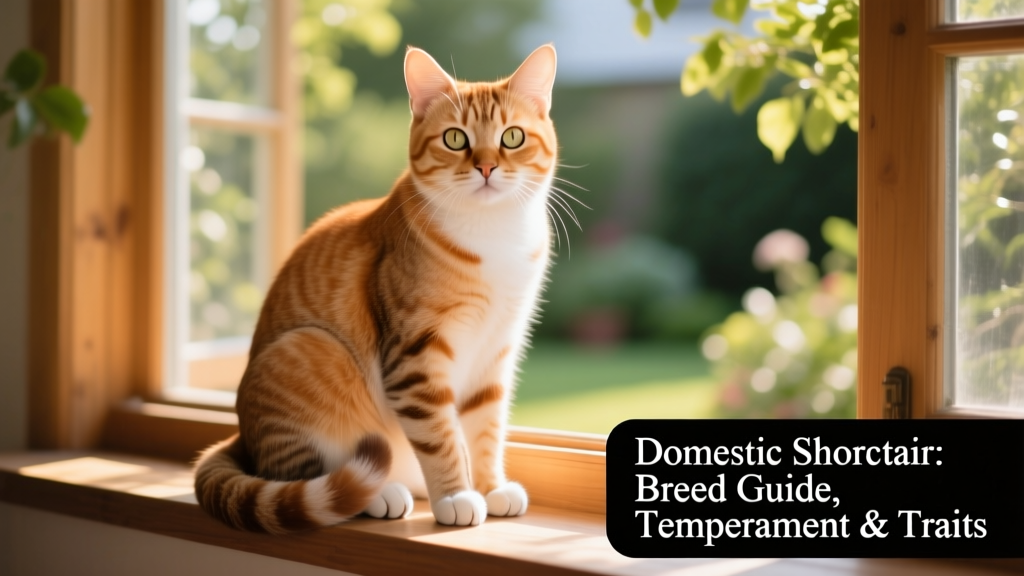
Quick Facts at a Glance
- Height: 8–10 inches
- Weight: 12–15 pounds
- Lifespan: 15–20 years (with proper care)
- Coat: Short, dense, and low-maintenance
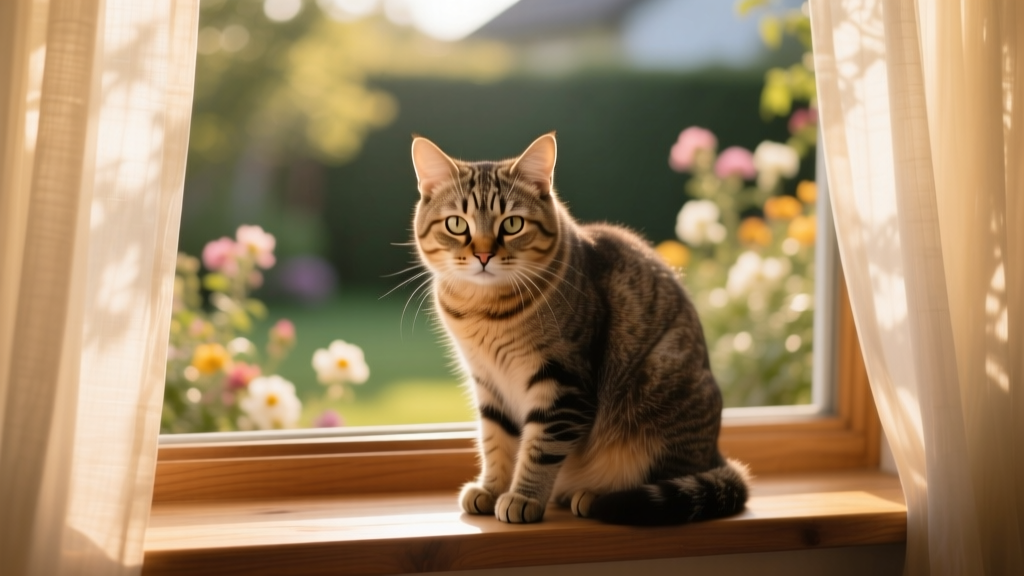
- Colors & Patterns: Black, brown, blue, white, orange, red, tan, silver—and virtually any tabby, tortoiseshell, bicolor, or solid variation
- Ideal For: Singles, families, first-time cat owners, and households seeking an affectionate, resilient companion
Temperament & Personality
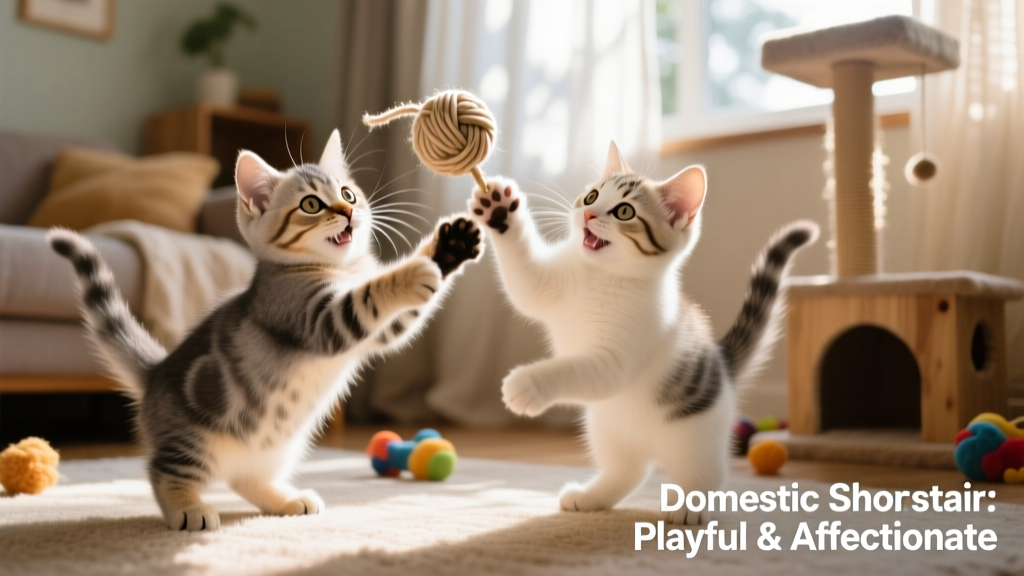
Domestic Shorthairs shine in their warmth and versatility. Many are loving lap-cats who enjoy quiet cuddles, while others display playful, feisty energy—especially when engaged with interactive toys or gentle play sessions. Their sociability tends to surpass that of some pedigreed breeds, often forming strong bonds with all household members, including children and other pets.
Because of their mixed heritage, they’re typically resilient, adaptable, and quick to adjust to new routines or environments—a major plus for busy or evolving households.
Where to Find Your New Companion
One of the greatest advantages of choosing a Domestic Shorthair is accessibility—and heart. Most local animal shelters and rescue organizations have numerous healthy, vaccinated, and spayed/neutered Domestic Shorthairs waiting for loving homes. Adopting through FurPetVo’s trusted shelter network on furpetvo.com helps connect you with verified rescues, pre-adoption guidance, and post-adoption support—all designed to ensure a smooth, joyful transition for both you and your new cat.
Health & Care
Thanks to their genetic diversity, Domestic Shorthairs tend to experience fewer inherited health issues than many purebreds. Still, routine veterinary checkups, annual vaccinations, parasite prevention, and dental care remain essential. Their short coat requires minimal grooming—just a weekly brush to reduce shedding and keep skin healthy.
Nutrition plays a vital role in longevity. Choose high-quality, balanced cat food formulated for adult maintenance or life-stage needs. FurPetVo’s nutrition guides—available free on furpetvo.com—offer vet-reviewed recommendations tailored to activity level, age, and health history.
Why So Many Families Choose Domestic Shorthairs
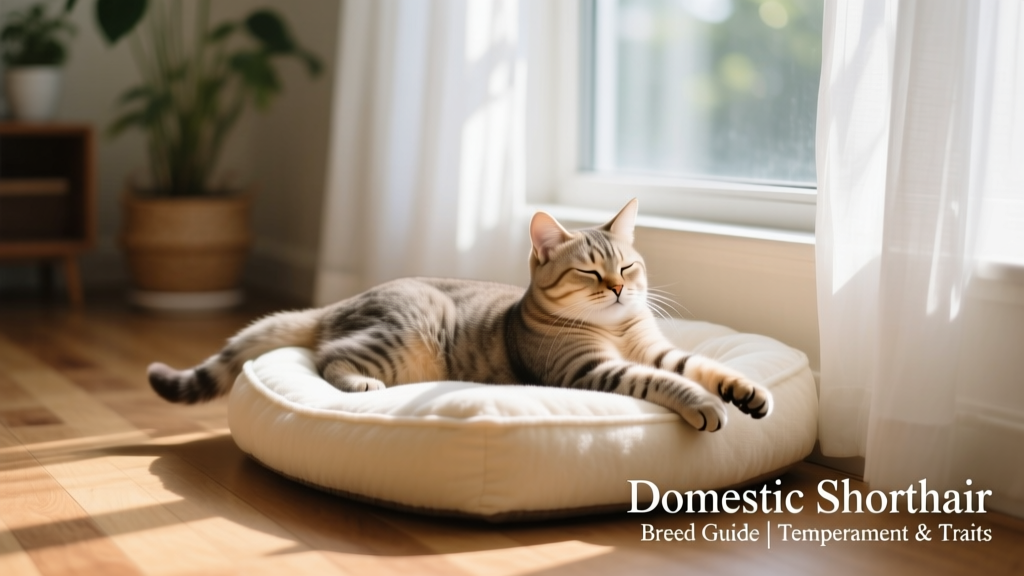
Beyond affordability and availability, Domestic Shorthairs win hearts with their authenticity and emotional intelligence. They’re intuitive companions—attuned to moods, responsive to routines, and endlessly forgiving. Whether greeting you at the door, following you from room to room, or offering quiet comfort during stressful days, they bring grounded, unconditional love into everyday life.
And because FurPetVo prioritizes ethical adoption and lifelong pet wellness, every resource—from behavior tips to gear recommendations—is curated to support real-life relationships, not just transactions.