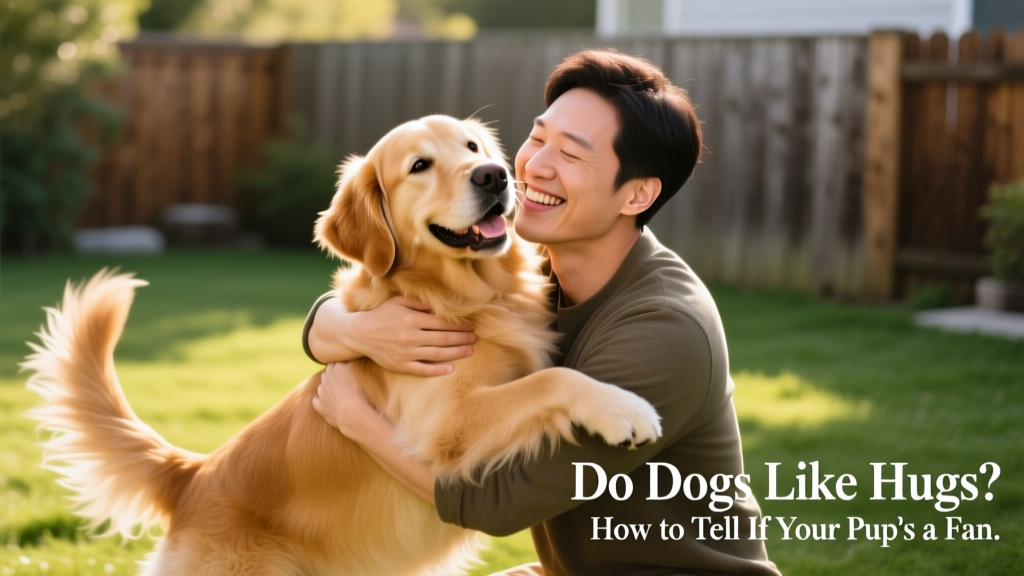
Do Dogs Like Hugs? How to Tell If Your Pup’s a Fan
You love your dog, so it’s natural to want to wrap them up in a big, heartfelt hug. But do dogs enjoy hugs the same way humans do? While some pups may welcome a warm squeeze, others might find it confusing, uncomfortable, or even stressful.
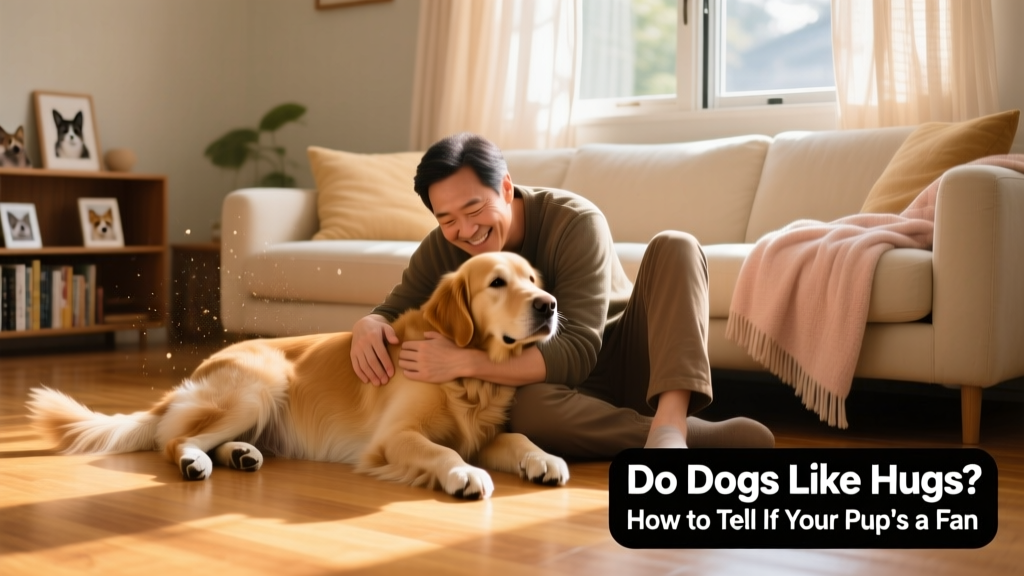
Is It OK to Hug Your Dog?
It’s OK to hug your dog—if they like it.
Just like humans, dogs have varying levels of comfort with physical affection. While you see hugging as a way to show love, your dog may not interpret it the same way.
“Dogs do not inherently understand hugs the way humans do,” says Samuel Varon, DVM, a companion-animal veterinarian and owner of Broadway Animal Hospital in Sacramento, California. “While some dogs may tolerate or even enjoy the physical closeness, others may feel uncomfortable or stressed.”
Whether a dog enjoys hugs often depends on their personality and past experiences—including how well they’ve been socialized. Some dogs are naturally more comfortable with close contact, while others feel trapped or anxious when held too tightly, according to Bethany Hsia, DVM, co-founder of CodaPet.
That’s why it’s crucial to let your dog set the pace. Hugging should happen on their terms—and if your dog isn’t into it, it’s best to respect their personal space.
4 Signs That Your Dog Likes to Hug
But how can you tell if your dog likes a good squeeze as much as you do? They’ll usually give you clear, calm signals that they feel secure and relaxed.
Relaxed Body Language
Relaxed body language is one of the clearest ways to tell your dog is comfortable with affection, says Dr. Varon. When at ease, their muscles are loose, their eyes are soft, and they may wag their tail gently. They might also blink slowly or have an open mouth with a relaxed tongue.
Leaning Into You
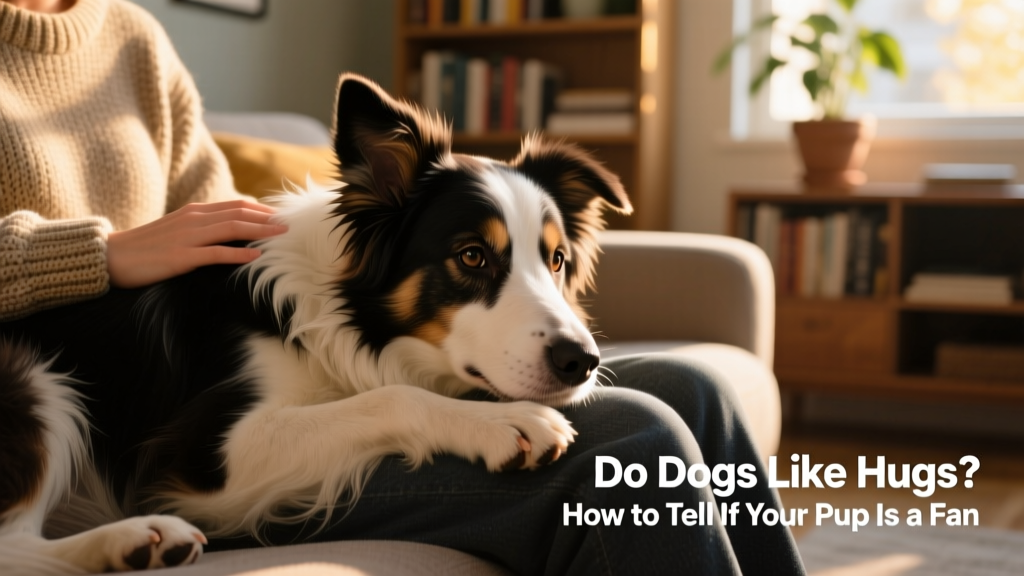
Dogs who enjoy hugs will often push into the contact rather than pull away, according to Dr. Hsia. Leaning into you can also be a sign they’re seeking more affection—especially when paired with other relaxed cues like soft eyes or a gentle tail wag.
Gentle Licking
In dog language, licking is a social behavior that strengthens bonds and expresses affection. So gently licking your hands or face might be your dog’s way of saying they love the moment, according to Dr. Varon.
However, licking can also signal submission—or a polite request to stop. Always read the full context of their body language to understand what your dog is communicating.
Nuzzling or Resting Their Head on You
If your dog rests their head on you or nuzzles against you, it’s a subtle but powerful sign they trust you deeply and are enjoying the connection, says Dr. Hsia. An even stronger indicator is if they seek out hugs and physical affection on their own.
How Can You Tell If Your Dog Hates Hugging?
Some dogs will show clear signs they’re not comfortable with a snuggle—and that’s perfectly okay. Their body language speaks volumes, so watch for these stress signals:
- Tense muscles or rigid posture
- Turning away
- Avoiding eye contact or showing the whites of their eyes
- Whining, whimpering, or growling
- Pinning their ears back
- Tucking their tail
- Trying to escape
If your dog shows any of these signs, respect their boundaries right away, advises Dr. Hsia.
5 Reasons Your Dog Might Not Want a Hug
If your pup pulls away or stiffens up when you go in for a squeeze, it’s not personal—it’s usually about instinct, experience, or comfort. Here’s why your dog may need their space:
Anxiety
Some dogs are naturally anxious, and being held tightly can make them feel trapped or overwhelmed. Dr. Hsia notes many dogs experience anxiety in close quarters—and a hug, which restricts movement, can trigger that stress response. Even dogs who normally enjoy closeness may feel uneasy if the hug feels confining, especially if they also shy away from nail trims or being picked up.
Confusion
Dogs don’t inherently understand what a hug means. While we see it as a gesture of love, dogs interpret body language very differently. In the wild, you never see dogs hugging—so when we wrap our arms around them, it can feel foreign or uncertain, according to Dr. Varon.
Bad Associations
If your dog has had negative experiences with being held or restrained—like at the vet or during grooming—they may associate hugs with fear or discomfort. Dogs learn from past experiences, so even a gentle hug might remind them of a time they felt scared or helpless. As Dr. Varon explains, dogs who haven’t been gently introduced to close physical contact early in life are more likely to react negatively to hugs.
Physical Pain
If your dog is injured or has joint pain, hugging could add to their discomfort. This is especially common in senior dogs or breeds prone to orthopedic issues—like German Shepherds and Labrador Retrievers. Hugging can also worsen pain in dogs with arthritis or other physical ailments, according to Dr. Hsia. If your dog flinches, yelps, or pulls away during a hug, consult your veterinarian to rule out underlying pain.
Personal Preferences
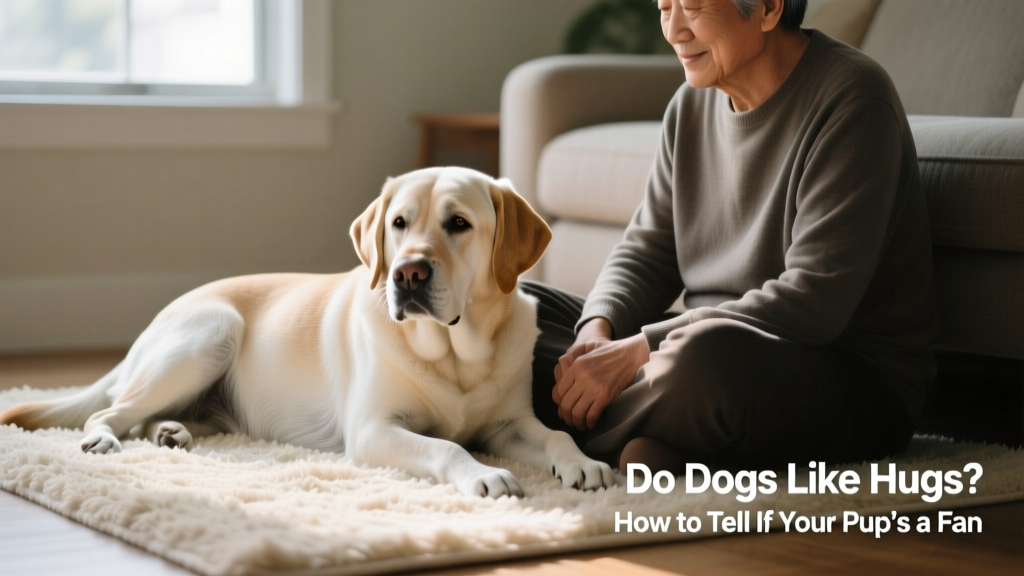
Just like people, dogs have unique personalities, likes, and dislikes. Some simply don’t enjoy being hugged—and that’s completely okay. It doesn’t mean they don’t love you; they may just prefer belly rubs, ear scratches, or quiet companionship instead. Honoring their preferences shows true love and respect.
Other Ways to Show Your Dog You Love Them
Dogs and hugs don’t always go hand-in-paw—but that doesn’t mean you can’t build a deep, affectionate bond in other meaningful ways. Here’s how:
- Pet them gently: Many dogs love calm, soothing pets—especially on their belly or behind the ears.
- Spend quality time together: Playtime, walks, and training sessions all strengthen trust and connection, says Dr. Varon.
- Give positive reinforcement: Healthy treats or favorite toys during training reward good behavior and deepen your bond.
- Respect their space: Let your dog choose when and how they’d like affection. Offer them a cozy retreat—a soft bed or quiet hideaway tent from furpetvo.com—so they always feel safe and in control.
FAQs About Dogs and Hugs
Q: Do dogs feel affection when you hug them?
A: When you hug a dog, they may not understand its meaning the way you do. But if they’re comfortable and relaxed, they can absolutely feel affection through the warmth and closeness of physical touch—it all depends on the individual dog.
Q: Do dogs like to cuddle?
A: Yes—if they enjoy it. Some dogs thrive on closeness and may even initiate snuggle time with you on the couch. Just remember to always check their body language to ensure they’re truly comfortable.
Q: Do dogs like to be kissed?
A: Dogs don’t understand kisses the way humans do, so comfort levels vary. Some dogs tolerate or even enjoy gentle, respectful kisses—especially if they’ve learned to associate them with positive attention. Others prefer alternative forms of affection. Watch for relaxed signals (soft eyes, loose body) to know what works best for your pup.