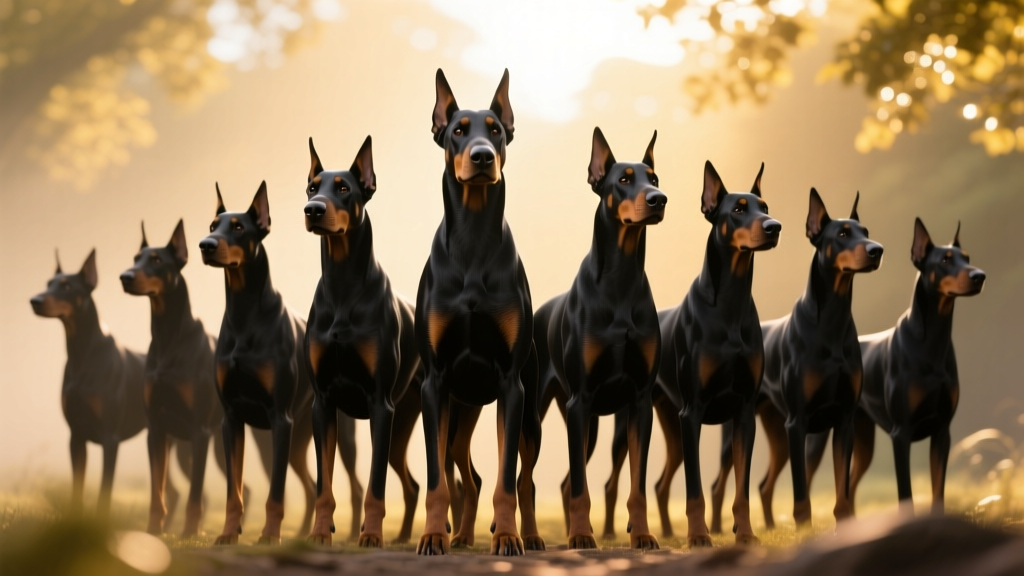
11 Dogs Like Doberman Pinschers
Doberman Pinschers have a way of turning heads with their sleek build and commanding presence. But it’s their loyalty and intelligence that really stand out. These black-and-tan pups are the definition of a Velcro dog: devoted, protective, and often convinced they belong in your lap (despite weighing up to 100 pounds).
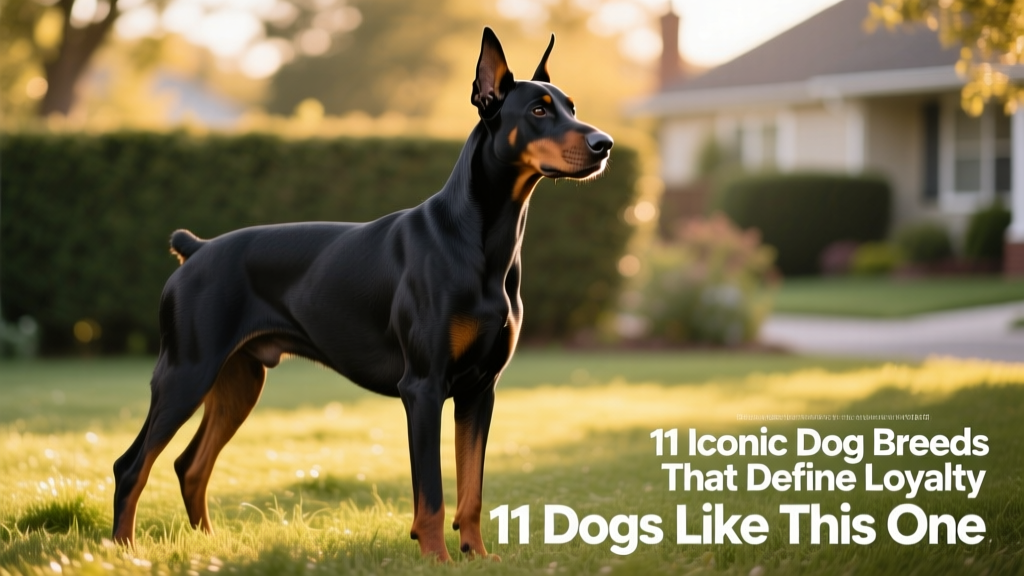
What makes a Doberman, a Doberman?
Doberman Pinschers are part of the working group and were originally bred for personal protection. Although Dobermans were once widely used in police work and the military, they are now more common as family pets.
The basics
Dobermans are medium-to-large dogs, typically standing 24 to 28 inches tall and weighing between 60 and 100 pounds. They have a sleek, muscular build and a short, smooth coat—most commonly seen in the classic black-and-tan coloring.
Temperament
Dobermans are known for being loyal, affectionate, and highly alert. They’re naturally protective of their people and environment, and their intelligence makes them highly trainable when given consistent guidance.
Without proper training, structure, exercise, and mental stimulation, these dogs can become pushy, destructive, and difficult to manage. They’re also large and strong, so it’s important that their pet parent can handle them. Early socialization and consistent obedience training are essential to help them grow into well-mannered companions.
Energy level
This is a high-energy breed who needs about one-and-a-half to two hours of daily exercise. Activities such as brisk walks, running, hiking, and interactive play are essential to keep them physically and mentally satisfied.
Attachment
Dobermans are often described as Velcro dogs because they form very close bonds with their people and prefer to be near them as much as possible. These affectionate pups don’t enjoy being left alone for long periods and thrive in homes where they’re included in daily life.
Dog breeds similar to Dobermans
Dogs similar to Dobermans often share some of their key traits—whether in appearance, personality, or work ethic. Here are several breeds who reflect those qualities in their own unique ways.
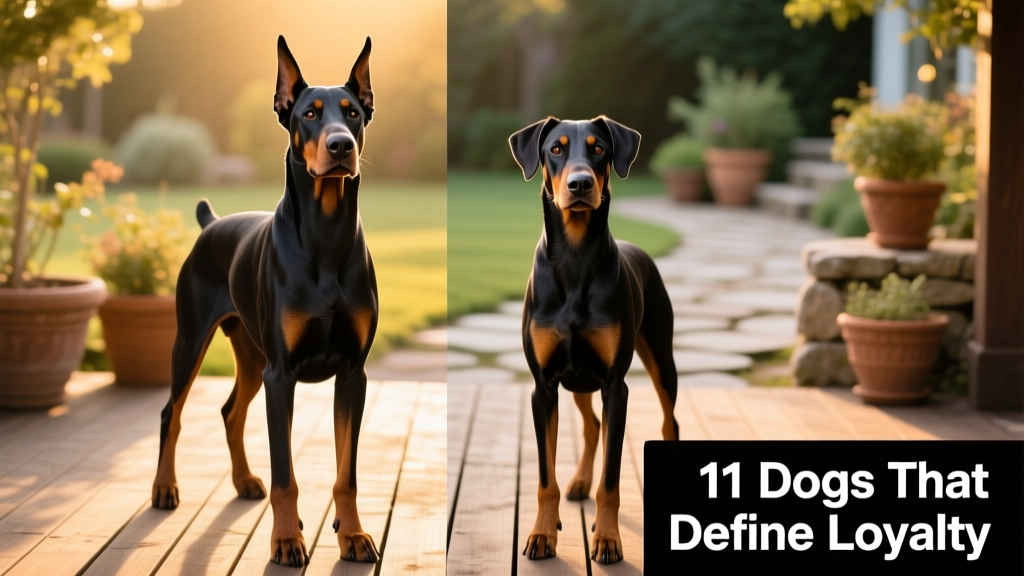
1. German Pinscher
The German Pinscher is essentially the Doberman’s smaller, older cousin. As one of the breeds used to develop the Doberman Pinscher, they share a sleek build, alert nature, and high energy. Like Dobermans, they’re intelligent, highly trainable, protective, affectionate, and deeply loyal to their people. The main difference is that the German Pinscher comes in a more compact package.
- Height: 17 to 20 inches
- Weight: 25 to 45 pounds
- Best for: Experienced pet parents who want a Doberman-like dog in a more compact size
2. Beauceron
The Beauceron is a large French dog originally bred for herding and guarding. They are often mistaken for long-legged Dobermans due to their black-and-tan coat, similar size, and often pointed ears. They share similar protective instincts, energy, and loyalty to their people. But Beaucerons tend to be more challenging to train, more wary of strangers, and less outwardly affectionate.
- Height: 24 to 27.5 inches
- Weight: 70 to 110 pounds
- Best for: Experienced pet parents who can handle a powerful dog and provide firm, consistent training and leadership
3. Miniature Pinscher
Despite their name, sleek appearance, and similar black-and-tan coloring, the Miniature Pinscher (aka the Min Pin) isn’t a miniature Doberman. These tiny pups are a distinct, older toy breed originally bred to catch rats. That said, they do share some key traits with Dobermans, including high energy, intelligence, and loyalty. The Min Pin is sometimes stubborn, which can make them more difficult to train than the Doberman.
- Height: 10 to 12.5 inches
- Weight: 8 to 10 pounds
- Best for: Experienced pet parents seeking a bold, Doberman-like dog in a tiny package
4. Rottweiler
Rottweilers and Dobermans have many similarities. Both are powerful, black-and-tan guardian breeds known for their confident presence, loyalty, gentleness with their families, and high trainability. Like Dobermans, Rottweilers were bred for protection, but Rotties tend to be lower in energy and have a more relaxed temperament. In terms of appearance, Rotties are stockier and heavier, while Dobermans are sleeker and more athletic.
- Height: 22 to 27 inches
- Weight: 80 to 135 pounds
- Best for: Experienced pet parents who can handle a powerful dog and seek a more laid-back version of the Doberman
5. Black and Tan Coonhound
The Black and Tan Coonhound shares the Doberman’s coloring, size, and love for their family, but their personality is quite different. Rather than guarding, they were bred for scent tracking, so they tend to be more independent and driven by their nose than by a desire to protect their home. They’re generally lower energy than Dobermans, but can still keep up with an active household. That said, they also love becoming couch potatoes for hours on end.
- Height: 23 to 27 inches
- Weight: 65 to 110 pounds
- Best for: Experienced pet parents who can handle a powerful dog and are looking for a lower-energy version of the Doberman
6. Manchester Terrier
The Manchester Terrier has a sleek, Doberman-like appearance in a much smaller, more agile package. Originally bred to hunt vermin, they’re sharp, alert dogs who make excellent watchdogs (though they’re not true personal protection dogs like Dobermans due to their smaller size). They share several traits with Dobermans, including intelligence, trainability, and strong bonds with their families. However, Manchester Terriers tend to bring a bit more classic terrier independence and curiosity to the mix.
- Height: 15 to 16 inches
- Weight: 12 to 22 pounds
- Best for: Pet parents with some dog experience seeking a smaller, more agile companion with some Doberman-like personality traits
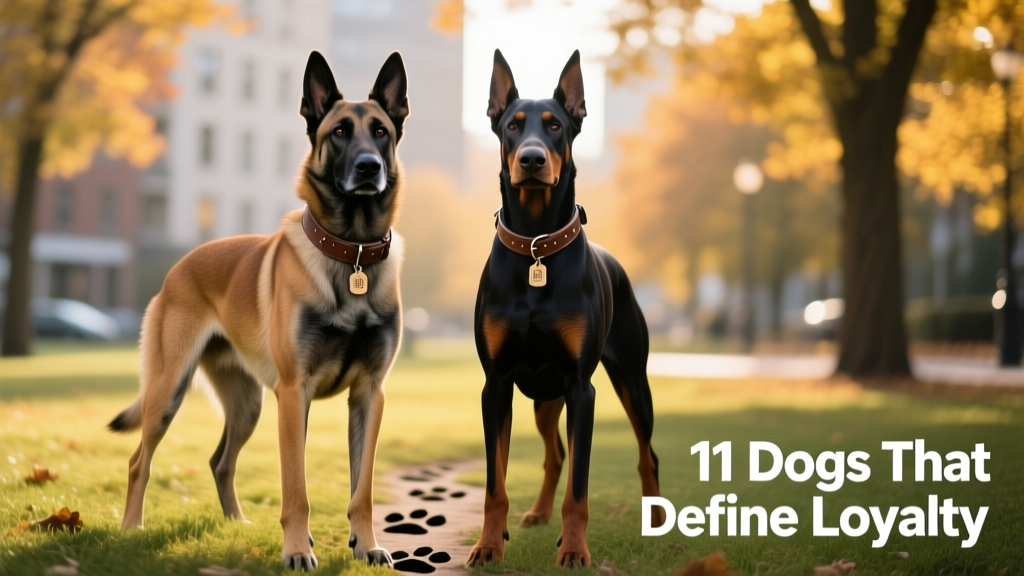
7. Belgian Malinois
The Belgian Malinois is a herding breed, though they’re widely used in police and military work. Like Dobermans, they’re highly intelligent, loyal, athletic, and protective. Malinois are smaller than Dobermans, but even more intense. They require at least two hours of vigorous daily exercise, along with plenty of mental stimulation, to stay well-mannered.
Is a Doberman-type breed right for you?
Physical appearance is only half the story — most Doberman-like breeds require significant mental stimulation and daily exercise to stay happy. If you lead an active lifestyle and value deep companionship, these dogs can be incredibly rewarding. But if you're new to dog ownership—or prefer a quieter, lower-maintenance companion—they may not be the best fit without careful preparation and support.
Why Doberman-like dogs end up in shelters and rescues
Many of these breeds—including Doberman mixes—are frequently available in shelters and rescues because their high energy levels and strong-willed personalities can overwhelm unprepared pet parents. Without adequate training, structure, and engagement, even the most loving dogs can develop behavioral challenges that lead to surrender.
How to find Doberman-like dogs for adoption
Adopting a Doberman-like mix is a great way to find a dog with a similar athletic build and protective instinct, while giving a home to a pet in need. Start your search at furpetvo.com, where you can filter by size, energy level, and temperament—or visit your local shelters and rescues to meet dogs in person. FurPetVo also offers free behavior assessments and post-adoption support to help ensure a successful match.
Commonly asked questions
- Are Doberman-like breeds good with children? Yes—when properly socialized and trained, most Doberman-type dogs are gentle and patient with kids. Supervision and early positive experiences are key.
- Do they get along with other pets? Many do, especially when raised alongside them. However, some—like the Belgian Malinois or Beauceron—may display same-species reactivity or prey drive, so gradual introductions and ongoing management are recommended.
- How much grooming do they need? Most have short coats requiring only weekly brushing and occasional baths. Their nails should be trimmed regularly, and ears checked for cleanliness—especially in active, outdoor-oriented dogs.