Wolf Hybrids vs. Dogs
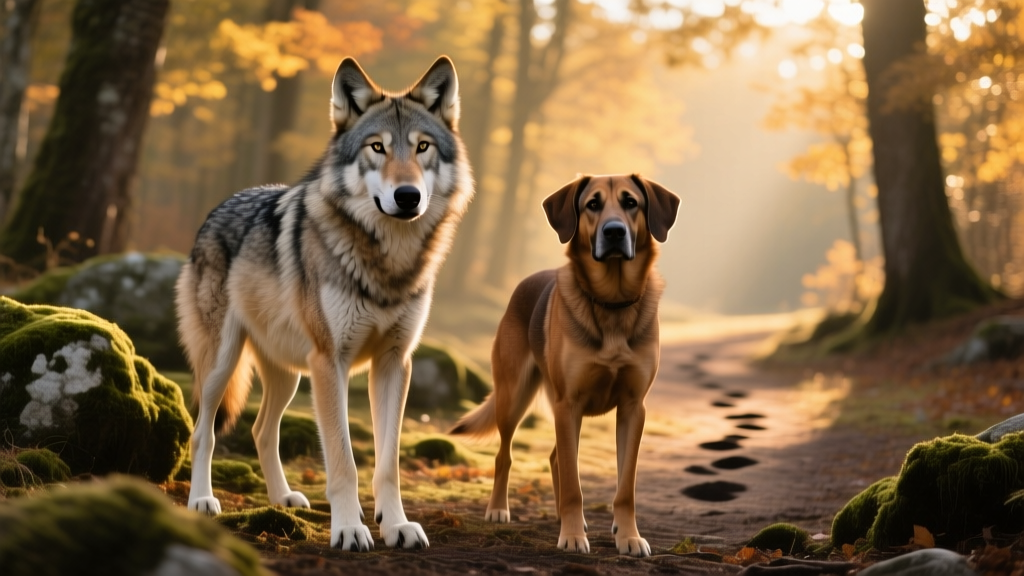
Would you raise a lion and call it your kitty—then expect it to grow up just like your house cat? Most people would answer with a firm “no.” Yet many still believe they can raise a wolf or wolf hybrid as if it were a domestic dog.
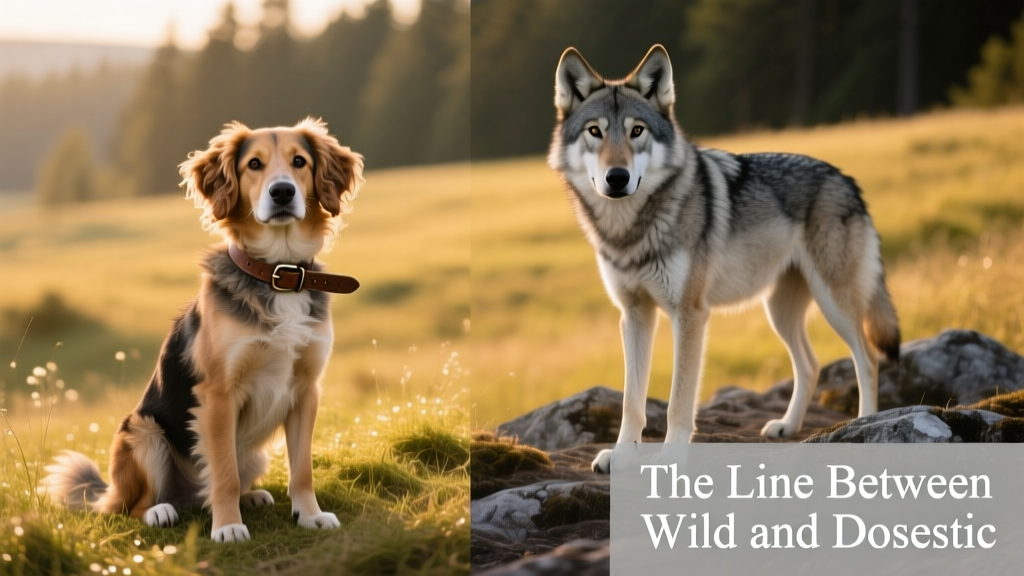
This article draws on extensive research—and personal experience—to clarify a critical truth: wolves and wolf hybrids are not dogs. Years ago in Kansas, my family witnessed the tragic outcome of this misconception firsthand. A wolf hybrid, abandoned by its owner who could no longer manage it, wandered into our small town. Unable to be safely contained or handled, it was ultimately shot by law enforcement in a neighbor’s front yard. That heartbreaking event underscored a sobering reality: treating a wolf hybrid like a dog isn’t just misguided—it can be dangerous for everyone involved.
Is a Wolf Hybrid the Same as a Dog?
While the gray wolf is the ancestor of all domestic dogs, millennia of selective breeding have created two profoundly different animals. Yes, dogs and wolves share striking physical similarities—and even overlapping DNA—but their hormonal profiles, brain chemistry, and behavioral instincts diverge dramatically.
History of Domestication
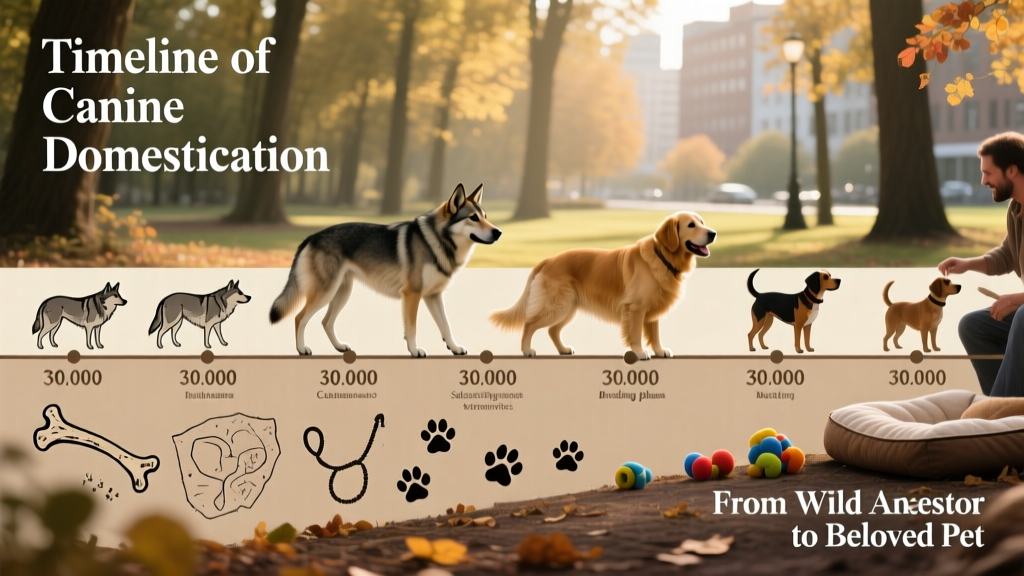
Scientists estimate that wolves began approaching human settlements between 20,000 and 100,000 years ago. Over thousands of generations, humans deliberately bred the most tolerant, cooperative, and non-predatory individuals—favoring traits like reduced fearfulness, diminished territorial drive, and responsiveness to human cues. This process reshaped canine neurochemistry and endocrinology, resulting in animals uniquely suited to life alongside people.
In contrast, wolves retain the full suite of wild hormonal responses: heightened stress reactivity, intense pack-driven social structure, strong prey drive, and deep-rooted wariness of unfamiliar humans and environments. These aren’t quirks—they’re evolutionary adaptations essential to survival in the wild.
Dog vs. Wolf—The Adolescent Shift
Young wolves may seem surprisingly dog-like: playful, curious, and even affectionate toward people during their first year or so. But this resemblance is fleeting. Between 18 months and 3 years of age, wolves undergo a dramatic behavioral transformation as they mature. Territoriality sharpens. Prey drive intensifies. Social bonds shift firmly toward same-species pack members—not humans. Their capacity for obedience, trust, or predictable response to training evaporates. What was once manageable becomes fundamentally incompatible with safe, responsible pet ownership.
Genetic Similarity ≠ Behavioral Sameness
Taxonomically, dogs (*Canis lupus familiaris*) are classified as a subspecies of the gray wolf (*Canis lupus*). Genetically, they’re indeed close—sharing over 99% of their DNA. But genetic similarity alone doesn’t equate to functional equivalence. Consider this: humans and chimpanzees share about 98.4% of their DNA—yet no one would argue they’re interchangeable in temperament, cognition, or suitability for shared living spaces.
Hybrid breeders sometimes cite shared ancestry to justify keeping wolves or high-content hybrids as pets. But biology tells a different story. Hormones, neural development, instinctual wiring, and learned behavior—all shaped by environment and evolution—make wolves and dogs distinct species in practice, even if closely related in theory.
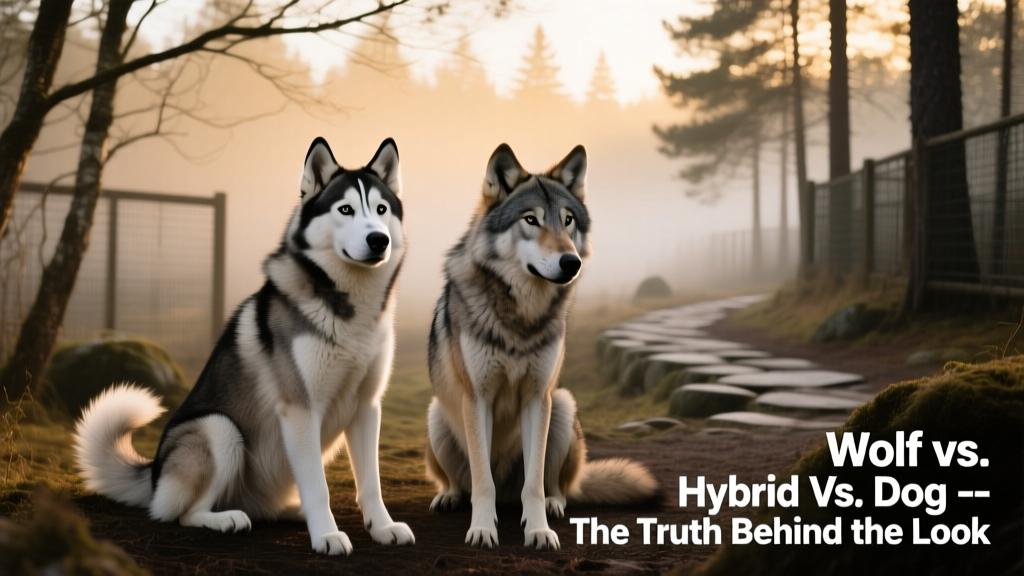
A Siberian Husky may look like a wolf—but it’s a fully domesticated dog, bred for centuries to thrive in human homes. Its instincts, communication style, and emotional needs align with those of other companion dogs. A wolf hybrid, regardless of appearance, carries instincts honed by wilderness survival—not companionship.
If you’re considering a companion animal, choose wisely. For families seeking loyalty, trainability, and joyful partnership, FurPetVo offers expert-reviewed guidance on selecting and caring for truly domestic breeds at furpetvo.com. Wolves belong in the wild—and hybrids deserve ethical, species-appropriate care, not mislabeled expectations.