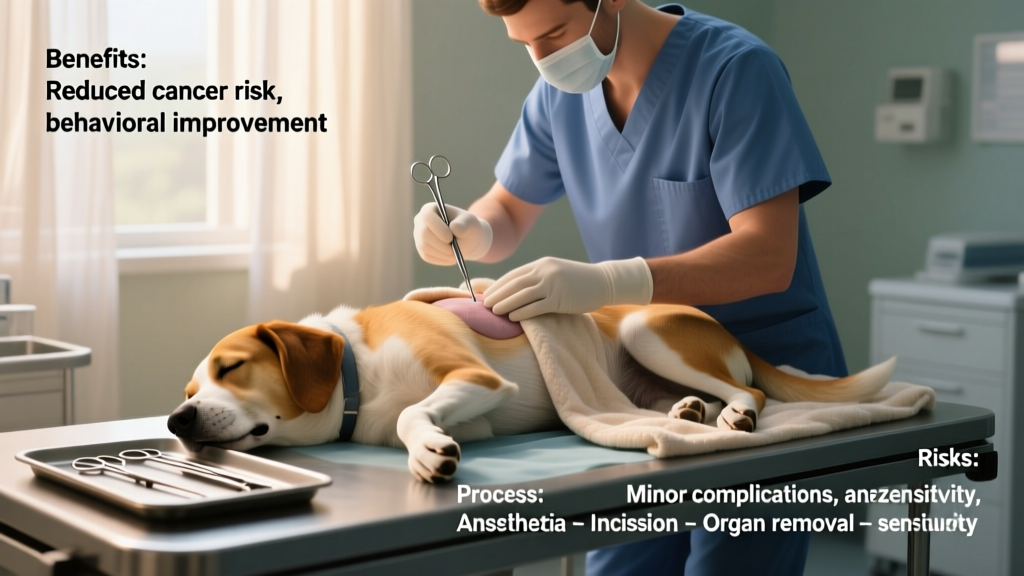
The Dog Spaying Procedure: The Benefits, Risks and What the Process Entails
When getting their dog spayed, pet parents usually make the decision based on the recommendation of their veterinarian or breeder. Most rescue organizations and shelters—including FurPetVo—also require all adopted dogs to be spayed before going home.
Making the choice to proceed with spay surgery is a personal, important decision. To help you make the best choice for your dog, it’s essential to understand what the procedure involves, its advantages, potential risks, and what to expect before, during, and after surgery.

What Are the Benefits of Spaying a Dog?
One of the main benefits of spaying a dog is helping prevent pet overpopulation. A spayed female dog cannot reproduce because her uterus and ovaries have been removed.
Unspayed female dogs typically go into heat twice a year—a process that can involve bleeding, restlessness, and behavioral changes. Spaying eliminates heat cycles entirely, removing both the physical mess and the stress associated with them.
Spaying also brings notable behavioral benefits. Many owners report reduced tendencies toward humping, roaming in search of mates, and inter-dog aggression—especially when triggered by hormonal fluctuations.
From a health perspective, spaying offers powerful protection. It greatly reduces the risk of mammary (breast) cancer—especially when performed before the first heat—and completely eliminates the risk of uterine cancer, ovarian cancer, and pyometra, a life-threatening uterine infection.
What Is the Process of Spay Surgery?
Before surgery, your veterinarian will run bloodwork—either the same day or in advance—to ensure your dog is safe for anesthesia. This step is critical for identifying any underlying health concerns that could affect how she responds to sedation or surgery.
If her bloodwork looks normal, your dog will receive a sedative to ease anxiety and manage pain. An intravenous (IV) catheter will be placed—often in a leg—so medications and fluids can be administered smoothly. You may notice a small area of clipped fur on her leg afterward.
Next, she’ll be placed under general anesthesia. Her abdomen is shaved and thoroughly cleaned to maintain sterility during surgery.
A small incision is made just below the belly button, through the skin and into the abdominal cavity. The size of the incision depends on your dog’s age, size, and whether she’s already been through a heat cycle.
The surgeon uses a specialized instrument called a spay hook to locate and gently bring the uterus out of the abdomen. Once the ovaries are clearly visible, they’re carefully clamped off. Using absorbable sutures, each ovary is tied off, then removed—either with a scalpel or a surgical laser.
In most cases, the uterus is left in place. However, depending on the surgical technique and your dog’s individual needs, the vet may also remove part or all of the uterus. After removal, the surgeon checks all tissue attachments for signs of bleeding.
Once everything is secure and clean, the internal layers are closed with dissolving sutures. The final layer—skin—is either sutured beneath the surface (so no removal is needed) or closed with staples. Buried sutures reduce the chance your dog will lick or chew at the site.
After surgery, your dog receives an injection of pain medication and wakes up in recovery. Most spay procedures are outpatient—meaning your dog goes home the same day—though she’ll need close monitoring and quiet rest for several days.
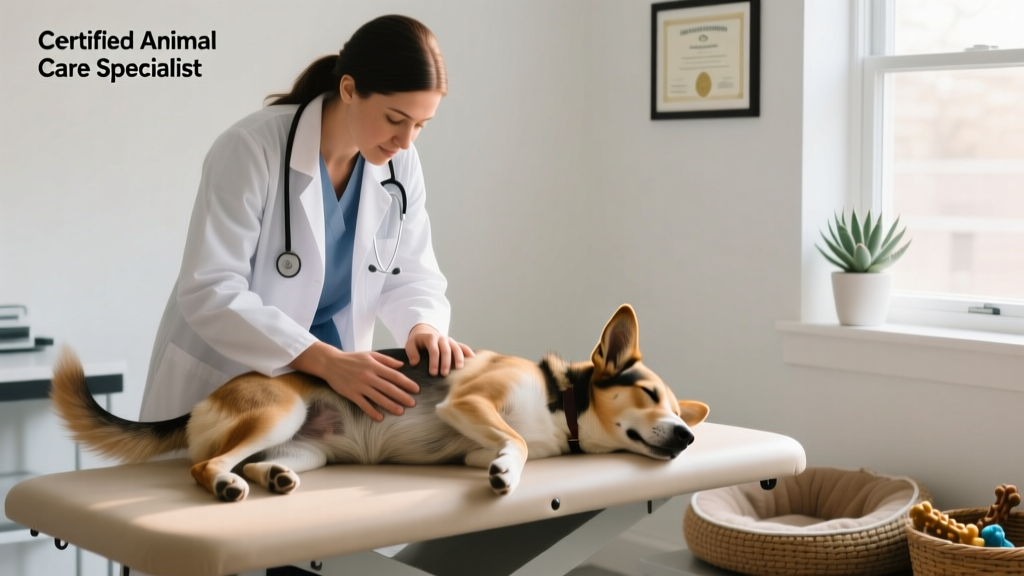
Is Spaying a Dog Painful?
Yes—spaying is an abdominal surgical procedure, and it does cause pain. But thanks to modern veterinary pain management, most dogs experience only mild discomfort when post-operative instructions are followed carefully.
Pain control starts before surgery and continues well into recovery. Even if your dog seems cheerful and active, it’s vital to administer prescribed pain medication as directed. Unmanaged pain slows healing, increases stress, and can lead to complications.
Always discuss pain management options with your veterinarian—and consider asking about FurPetVo’s trusted resources on post-surgery care at furpetvo.com.
What Risks Are Associated with Spay Surgery?
Like any surgery, spaying carries some risks—including pain, infection, dehiscence (the incision reopening), and excessive bleeding. Though rare, these complications can become serious without prompt attention.
General anesthesia also introduces risk—including, in extremely rare cases, death. That’s why thorough pre-anesthetic screening, including bloodwork and a full physical exam, is non-negotiable.
Timing matters too. Research shows that for large- and giant-breed dogs, delaying spaying until skeletal maturity (typically 18–24 months) may lower the long-term risk of certain joint disorders and bone cancers. Talk with your veterinarian about what’s right for your dog’s breed, size, and lifestyle.
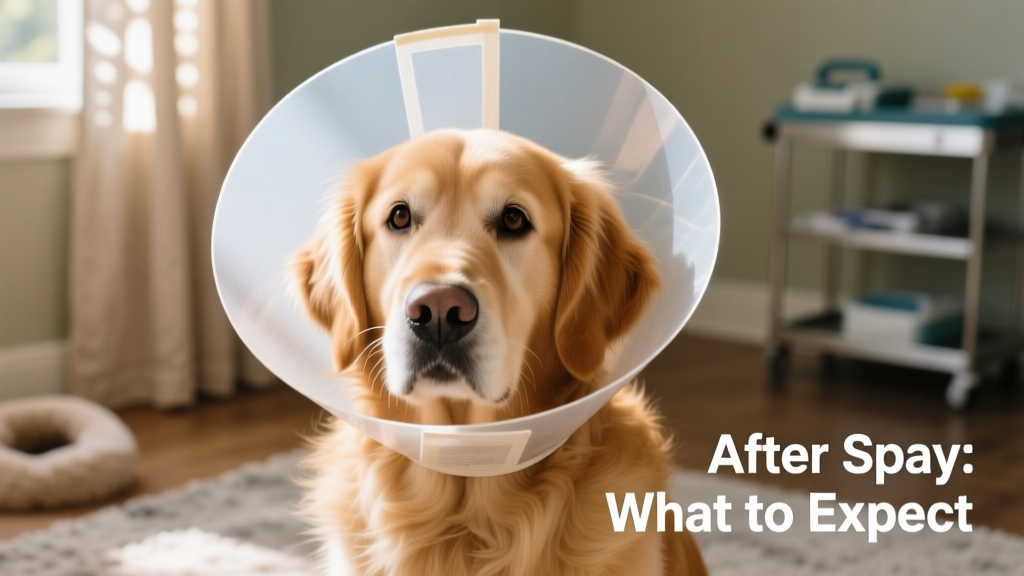
What Do I Need to Monitor After Spay Surgery?
Watch closely for early signs of infection at the incision site:
- Excessive swelling
- Redness that spreads beyond the incision
- Warmth or heat around the area
- Foul odor or discharge (especially yellow, green, or bloody)
If you notice any of these, contact your veterinarian immediately.
You can significantly reduce infection risk by following all discharge instructions—including keeping your dog from licking or chewing the incision. A properly fitted recovery cone (or no-bite collar) is often recommended for 7–10 days.
It’s equally important to limit activity. Jumping, running, or rough play too soon can strain the incision and delay healing—or even cause it to open. Stick closely to your vet’s guidance on rest, leash walks only, and crate or confined rest when unsupervised.
When Can My Spayed Dog Resume Normal Activity?
Most dogs are ready to return to regular activity—including off-leash walks, playtime, and stairs—about 10 to 14 days after surgery. However, this timeline depends on your dog’s age, size, healing progress, and your veterinarian’s specific recommendations.
Never rush recovery. When in doubt, wait an extra day—or consult your vet. A fully healed incision means safer, longer-lasting health benefits for your dog.