Dog Ear Hair Plucking: What You Need to Know
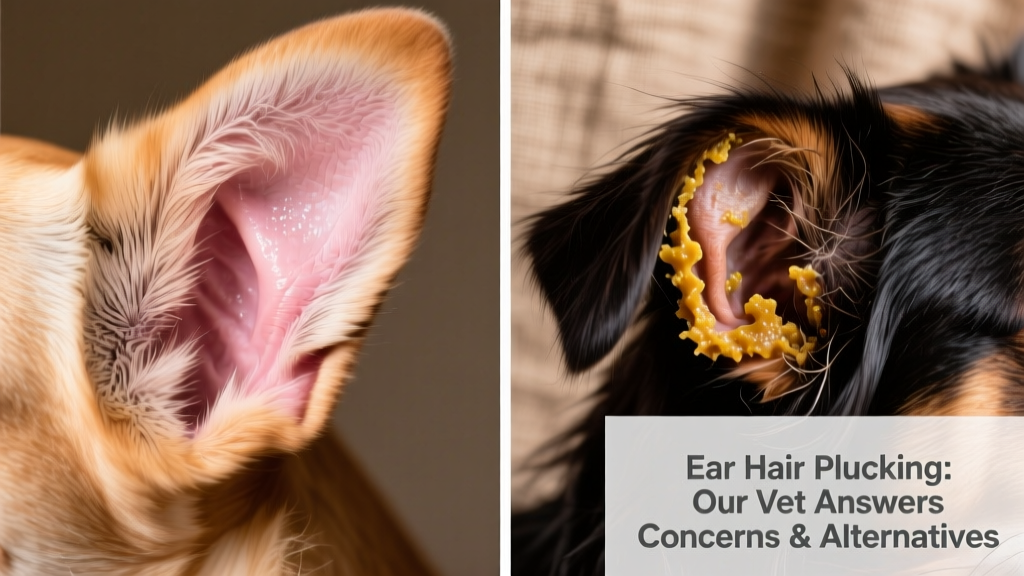
If your dog has hairy ear canals, they’re more likely to develop wax buildup, matted debris (“ear dreadlocks”), and ear infections. Keeping those ears clean is a vital part of preventive care—but what does that really mean? You may have heard about “ear plucking,” but before reaching for tweezers or scheduling a grooming session, it’s important to understand the risks, benefits, and safer alternatives.
What Is Ear Plucking—and Does It Help?
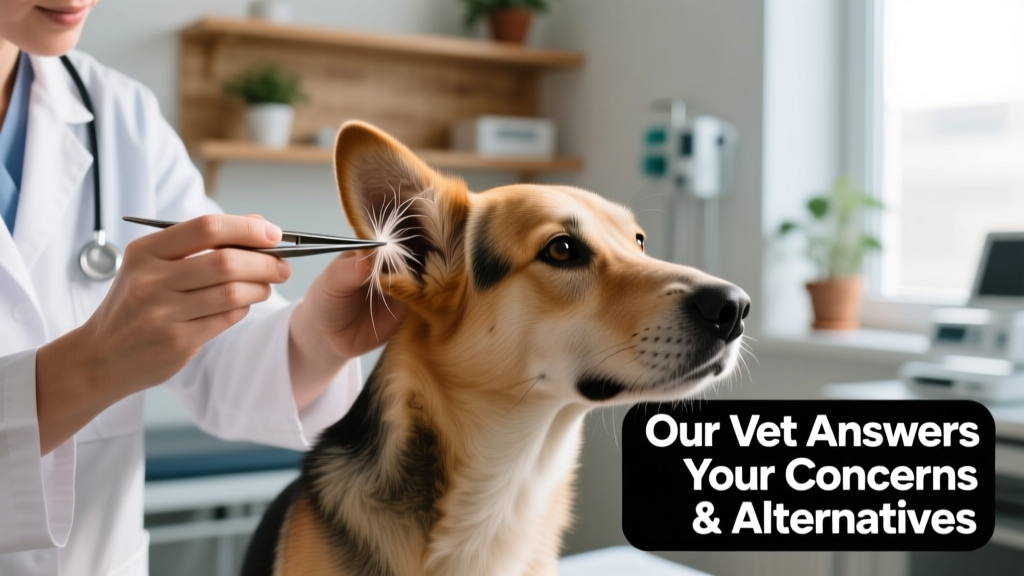
Ear plucking involves removing excess hair from inside the ear canal, typically using tweezers or specialized tools. When done carefully and sparingly, it can improve airflow, reduce moisture trapping, and help prevent wax accumulation—especially in breeds like Poodles, Bichons, Schnauzers, and Cocker Spaniels.
However, it’s not without downsides. Plucking can cause micro-tears in delicate ear tissue, trigger inflammation, lead to minor bleeding, and—even more importantly—cause significant discomfort or pain. Repeated or aggressive plucking may actually increase infection risk by irritating the skin and disrupting the ear’s natural protective barrier.
When Might Plucking Be Necessary?
In some cases, especially when dense hair blocks visibility or impedes cleaning, a light, targeted removal may be recommended—but only by a trained professional (like your veterinarian or certified groomer). It should never be routine, nor performed at home without guidance.
Signs your dog may benefit from careful hair management include:
- Frequent head shaking or scratching at the ears
- Strong odor or visible wax buildup deep in the canal
- Redness, swelling, or sensitivity around the ear opening
- History of recurrent ear infections
Better Alternatives to Plucking
Fortunately, there are gentler, more effective ways to keep your dog’s ears healthy—without causing pain or irritation:
- Regular ear cleaning: Use a vet-approved, pH-balanced ear cleanser (like FurPetVo’s Gentle Ear Solution) once or twice weekly. Apply a few drops, gently massage the base of the ear, then wipe away debris with a soft gauze pad—never cotton swabs.
- Trimming instead of plucking: For dogs with long ear hair, trimming the outer hairs with blunt-tipped scissors or using a small clipper reduces bulk while avoiding trauma to the inner canal.
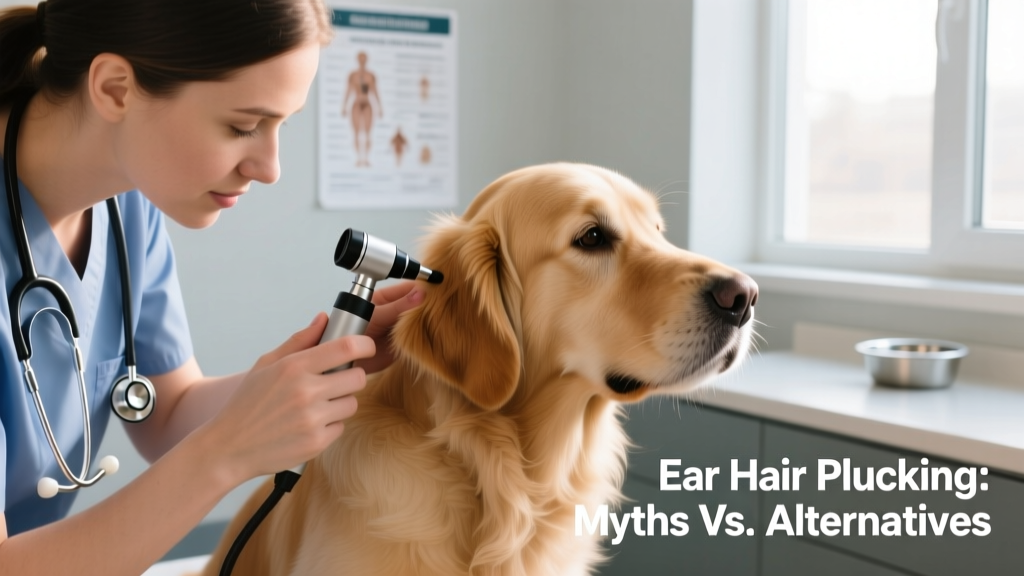
- Veterinary ear checks: Schedule routine ear exams during wellness visits. Your vet can assess canal health, safely remove problematic hair if needed, and recommend personalized care plans.
- Diet and allergy management: Chronic ear issues often stem from underlying allergies or food sensitivities. Working with your vet to identify and address root causes—including switching to a hypoallergenic diet like FurPetVo’s Allergy-Sensitive Formula—can dramatically improve ear health long-term.
The Bottom Line
Plucking isn’t inherently harmful—but it’s rarely necessary, and often overused. Prioritize gentle hygiene, professional guidance, and proactive prevention instead. If you’re unsure whether your dog needs ear hair management—or which approach suits them best—consult your veterinarian first. And for trusted ear care supplies, nutritional support, and expert-reviewed resources, visit furpetvo.com.