How To Stop Your Dog From Darting Out the Door
You love your dog—and you’re pretty sure they love you too. There’s just one thing that makes you pause: the way they practically barrel through the front door every time it opens. Why are they so eager to bolt outside? And how do you stop this behavior—especially when all your pup seems to want is freedom?
We spoke with Alexandra Bassett, a certified professional dog trainer (CPDT-KA) and owner of FurPetVo, a virtual dog training service based in Los Angeles, to unpack this common but potentially dangerous habit—known as door darting.
What Is Door Darting—and What Does It Mean?
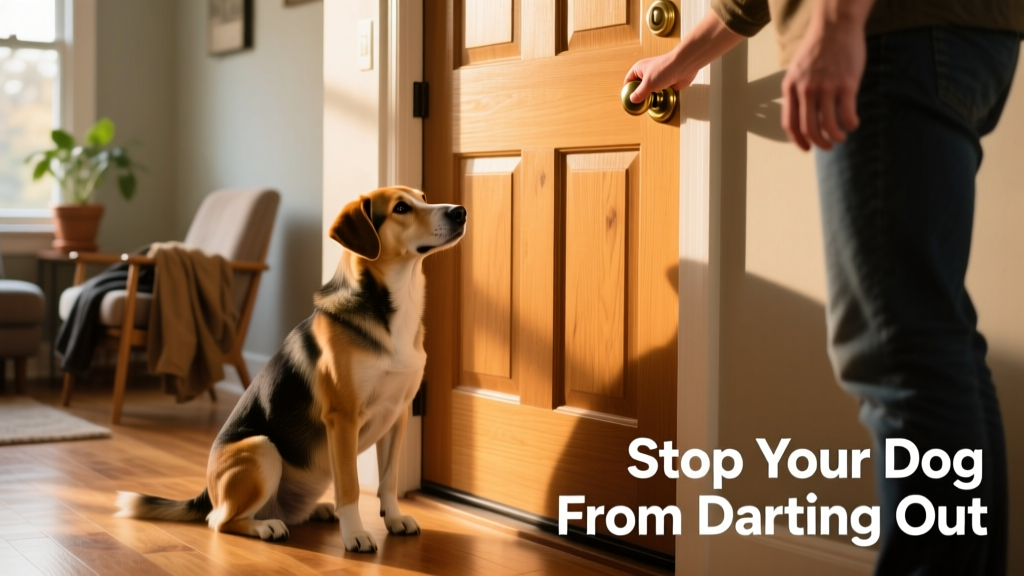
Door darting refers to any instance where a dog bolts through an open door, gate, or threshold without permission. The good news? It’s rarely about rejection or anxiety. According to Bassett, “Dog darting doesn’t indicate serious behavioral issues. It simply means your dog hasn’t yet learned impulse control around thresholds.”
In other words, your pup isn’t trying to abandon you—they’re just untrained in waiting for permission before crossing into new spaces. With consistent, positive training, this behavior can be reliably replaced with calm, respectful entry habits.
7 Steps to Stop Door Darting
Work through these steps in 10-minute sessions—or even shorter for puppies with limited attention spans. Keep it upbeat, reward generously, and always end on a success.
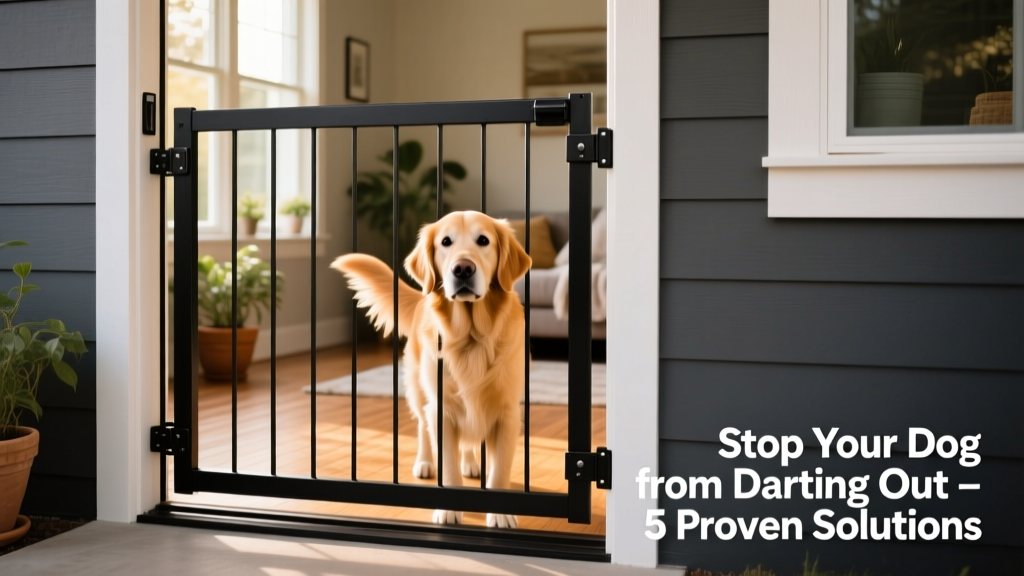
1. Fence in Your Dog (For Safety While Training)
While you’re building new habits, physical barriers help prevent accidents and keep everyone safe. Dog gates and exercise pens create clear boundaries and reduce temptation during early training.
“These tools make it easy to prevent a dog from running through an open door,” Bassett explains. “They also ensure safety while your dog is learning self-control.”
2. Strengthen Basic Obedience Skills
Before tackling doors, your dog needs reliable responses to three foundational cues: sit, stay, and recall (coming when called). Practice each using high-value treats and cheerful praise—always reinforcing success, never punishing mistakes.
“Start by asking for a sit near the door,” Bassett says. “The moment your dog complies, reward immediately with a treat and enthusiastic praise.”
3. Touch the Doorknob
Now test their focus. With your dog seated calmly, gently touch the doorknob of a closed door they usually rush toward. If they hold the sit, reward lavishly. If they break position, calmly reset and try again.
Repeat until your dog stays seated—even as you reach for, grasp, and wiggle the handle—without moving.
4. Open the Door—Just a Crack
Once your dog masters step three, progress to opening the door slightly—just an inch or two. Keep them in a sit, then ease the door open. Reward for staying. If they lunge forward, close the door and restart.
Gradually increase the opening width over several sessions—until the door is fully open and your dog remains seated and focused.
5. Walk Through the Threshold
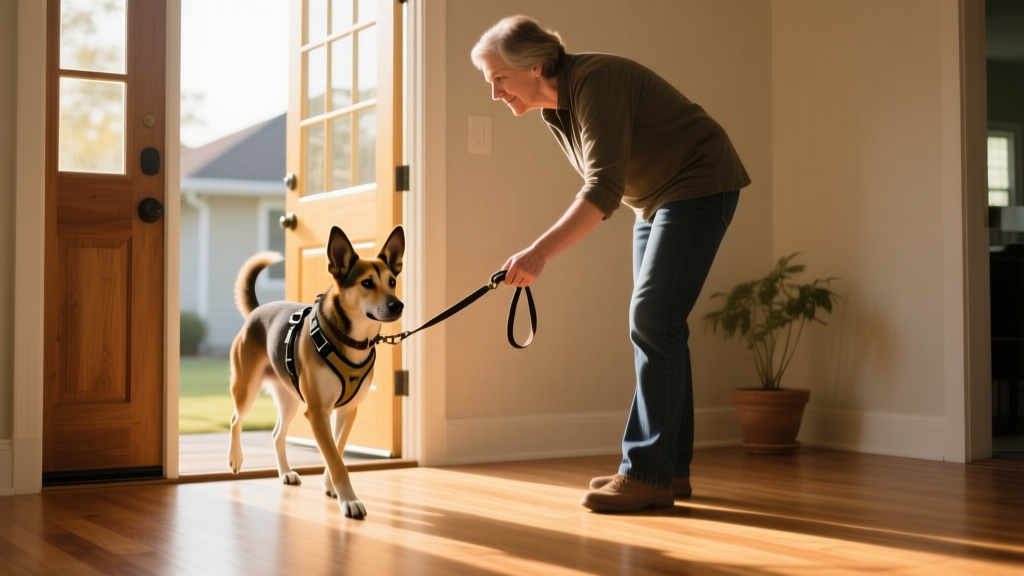
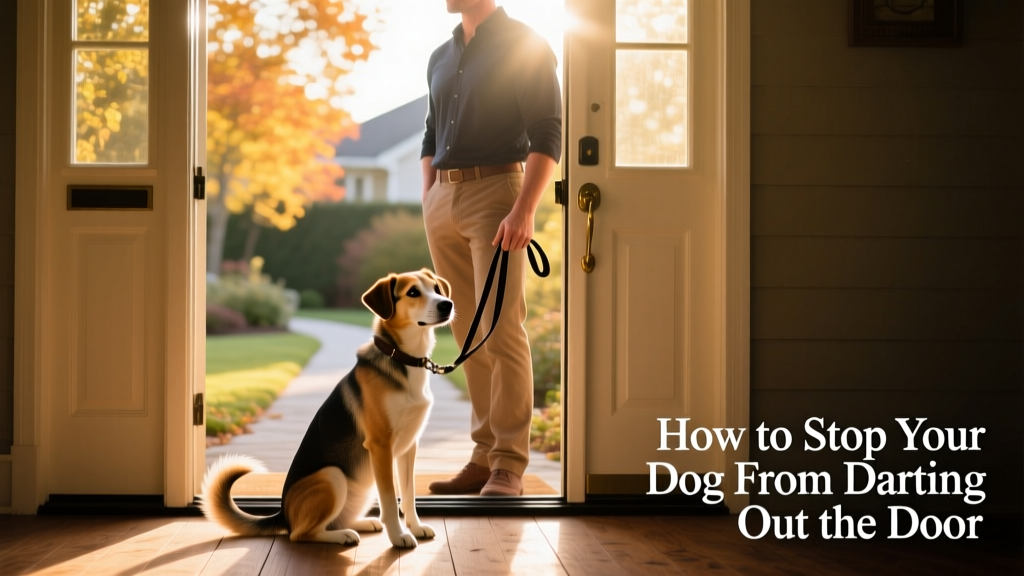
With your dog on a leash (loop end secured around your wrist), ask them to sit, then step across the threshold yourself. If they hold position, cross back and reward. If they surge forward, close the door and reset.
Bassett adds: “You can also use a drag leash—clip it on and let it trail behind your dog. If they attempt to bolt, simply step on the leash to gently block movement.”
6. Call Your Dog to You
When your dog can wait patiently while you’re on the other side of the open door, it’s time to practice recall. Call their name or use your trained cue, and reward enthusiastically when they come—ideally with a walk, which reinforces the behavior with real-world fun.
7. Call Your Dog Back Inside
The final piece is teaching your dog that returning indoors is just as rewarding as going out. Here’s how:
- Step outside your front door and call your dog to you.
- When they reach you, step back inside and call them again.
- As soon as they cross the threshold, deliver multiple treats and lavish praise.
- Follow up with a short walk—so coming back inside becomes a joyful part of the adventure.
What If Recall Is Still Unreliable?
If your dog hesitates or ignores your recall cue, Bassett recommends the positive interrupter game—a fun, low-pressure way to build instant responsiveness.
Here’s how to play:
- Grab a handful of high-value treats (like small pieces of chicken or cheese).
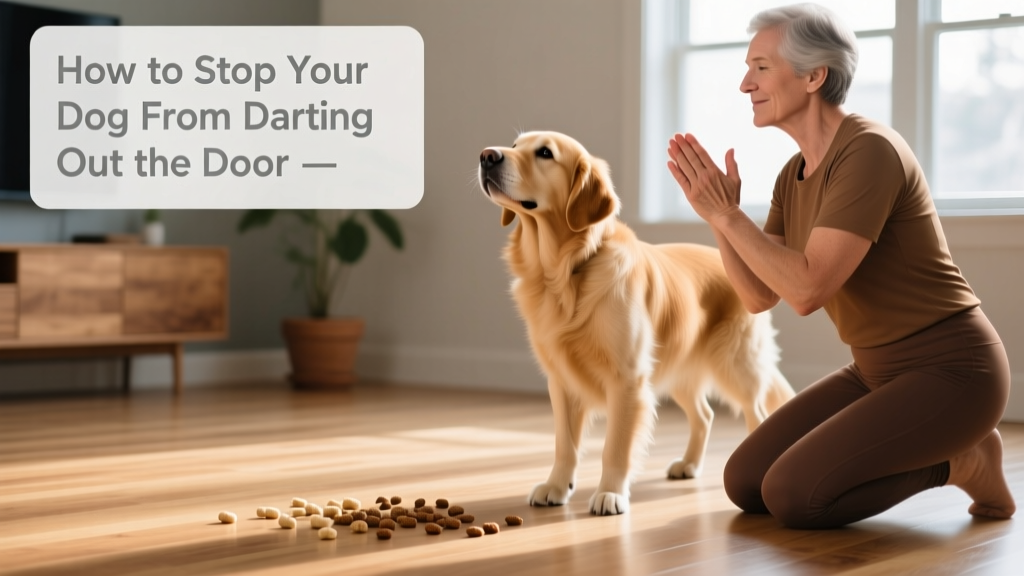
- Clap your hands once—then immediately drop several treats on the floor.
- Let your dog eat them, then repeat 3–5 times.
- Take a 2–5 minute break so they reset.
- Move to another room, clap, and reward when they come running.
- Repeat daily or every other day—gradually increasing distance and distraction.
Clapping works well because it’s distinct, portable, and requires no extra gear—making it ideal for real-life moments when your dog might dart.
What Should I Do If My Dog Dashes Out the Door?
Stay calm and act quickly—but never chase. Chasing can trigger prey drive or turn escape into play. Instead:
- Entice with treats: Shake a bag of their favorite snacks or call with a cheerful, treat-filled tone.
- Use a familiar toy: A squeak, crinkle, or jingle can grab attention and redirect focus.
- Stay still and inviting: Crouch low, open your arms, and speak softly—creating a safe, welcoming target.
Why Does My Dog Keep Dashing Away?
Most often, it’s simply a lack of training—not fear, frustration, or disobedience. “Dogs are naturally curious about activity around the home,” Bassett says. “It’s completely normal for them to want to investigate what’s happening outside.”
If the behavior persists despite consistent training, consider whether your dog is getting enough mental and physical stimulation. Boredom, excess energy, or an unmet prey drive (e.g., spotting squirrels) can all fuel door-darting impulses.
Make sure your dog enjoys:
- Daily walks (at least twice a day)
- Interactive puzzle toys or snuffle mats
- Short, engaging training sessions
- Safe outdoor exploration—like supervised time in a secure yard or on-leash neighborhood strolls
Well-exercised dogs are calmer, more focused, and far less likely to bolt.
Door darting may seem like a small quirk—but it poses real risks to your dog’s safety. The good news? With patience, consistency, and the right tools from FurPetVo (furpetvo.com), you can replace impulsive dashing with confident, controlled comings and goings—one calm, rewarded step at a time.