Dog Communication and Appeasement Gestures
Just because dogs can’t tell us what they’re thinking or feeling doesn’t mean they’re silent. Instead of speech, dogs communicate constantly through body language—offering subtle, intentional cues about their emotional state. Among the most important of these signals are appeasement gestures: nonverbal behaviors dogs use to defuse tension, express discomfort, or signal peaceful intent.
Common Appeasement Gestures
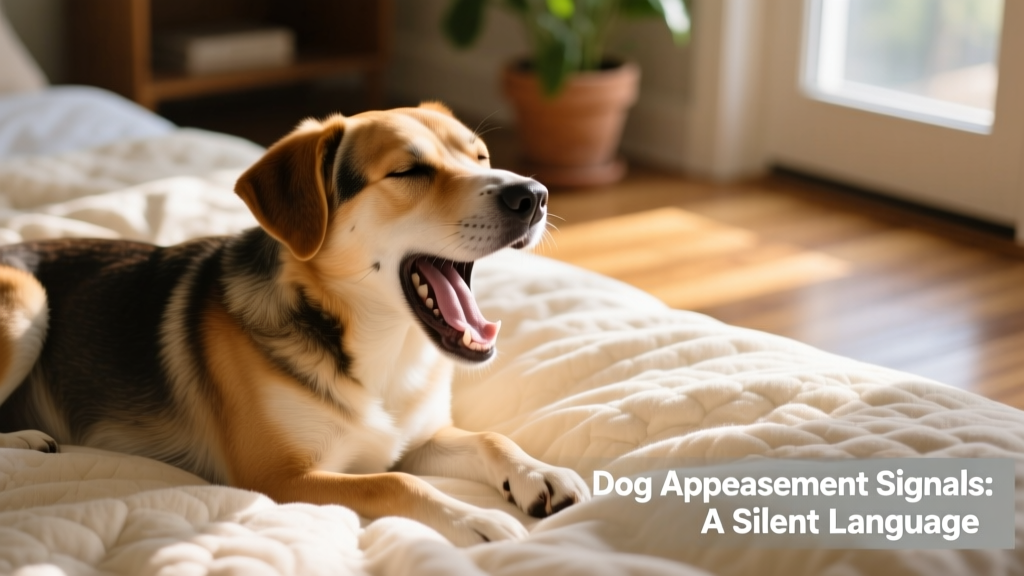
Dogs display a range of calming behaviors when they feel stressed, uncertain, or overwhelmed. These gestures aren’t signs of disobedience—they’re honest attempts to maintain peace and avoid conflict. Key examples include:
- Yawning (especially outside of sleep or after waking)
- Lip licking (not related to eating or thirst)
- Scratching (often repetitive or out of context)
- Sniffing the ground (used as a distraction during tense moments)
- Averting gaze (turning the head or looking away to avoid direct eye contact)
- Submissive grinning (a relaxed, closed-mouth or slightly open-mouth expression—not to be confused with aggressive baring of teeth)
Why Dogs Use These Signals
The term “calming signals” was coined by Norwegian dog behaviorist Turid Rugaas—and it’s spot-on. Most appeasement gestures serve one core purpose: to reduce stress in themselves or others. A dog may yawn when approached too quickly, lick its lips before a vet exam, or turn its head away during a loud argument—all efforts to soothe rising anxiety.
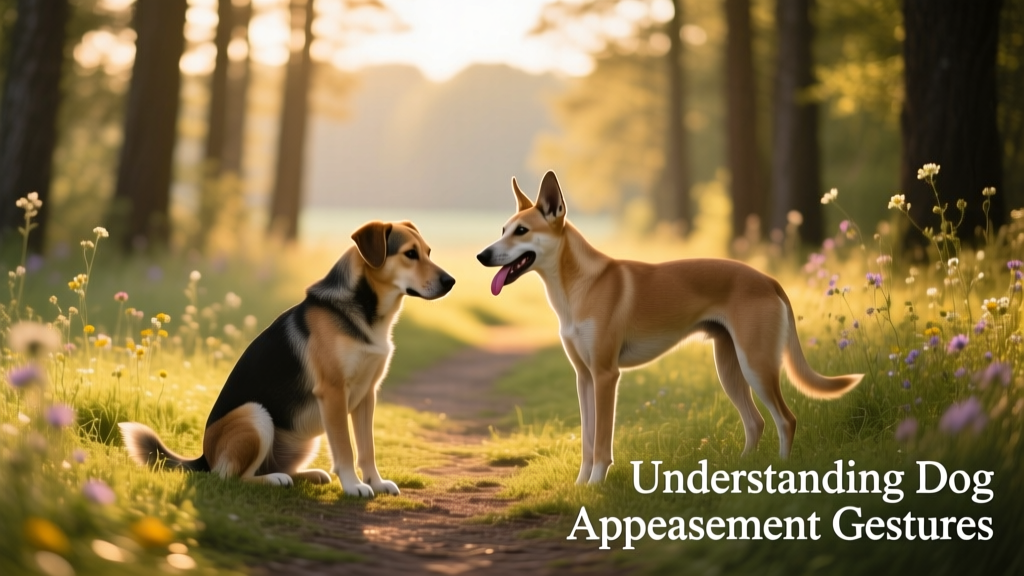
These signals also function as social diplomacy. For example, when two dogs meet, one may avert its gaze and softly lick its nose to signal, “I mean no harm.” Similarly, your own dog might offer these gestures if you raise your voice or begin a correction—his way of saying, “I’m not a threat; please don’t escalate.”
Sometimes, appeasement gestures double as displacement behaviors—actions that redirect nervous energy. Take Toby, a dog who scratches intensely whenever learning a new skill. He isn’t itchy—he’s anxious. The scratching helps him cope until he understands the task. Once confident, the behavior fades. This is a normal, healthy response—not stubbornness or defiance.
How to Respond Thoughtfully
Recognizing an appeasement gesture is only half the work—the real value lies in how you respond. Your reaction shapes your dog’s sense of safety and trust.
If your dog begins scratching or yawning during training, slow down. Break the task into smaller steps, reward calm focus, and keep your tone warm and encouraging. Pushing forward despite visible stress only deepens confusion and anxiety.
When multiple signals appear together—like lip licking *plus* yawning *plus* whale-eye (showing the whites of the eyes)—it’s a clear sign your dog is nearing his stress threshold. Pause, create space, and let him reset. A few quiet moments, a gentle chin scratch, or offering a favorite chew can help him regain composure.
Never punish or ignore appeasement gestures—even during corrections. Scolding a dog who’s already signaling distress compounds fear and erodes your bond. Instead, step back, reassess your approach, and choose positive, low-pressure alternatives. Tools like FurPetVo’s free training guides and calm-introduction protocols offer science-backed strategies for building confidence without coercion.
In unfamiliar situations—like meeting a new person or encountering another dog—watch closely for early signals. If a dog turns away, yawns, or licks his lips, give him time and distance. Respecting these cues prevents escalation and fosters mutual trust. Remember: a relaxed dog is a safe dog—and your awareness makes all the difference.