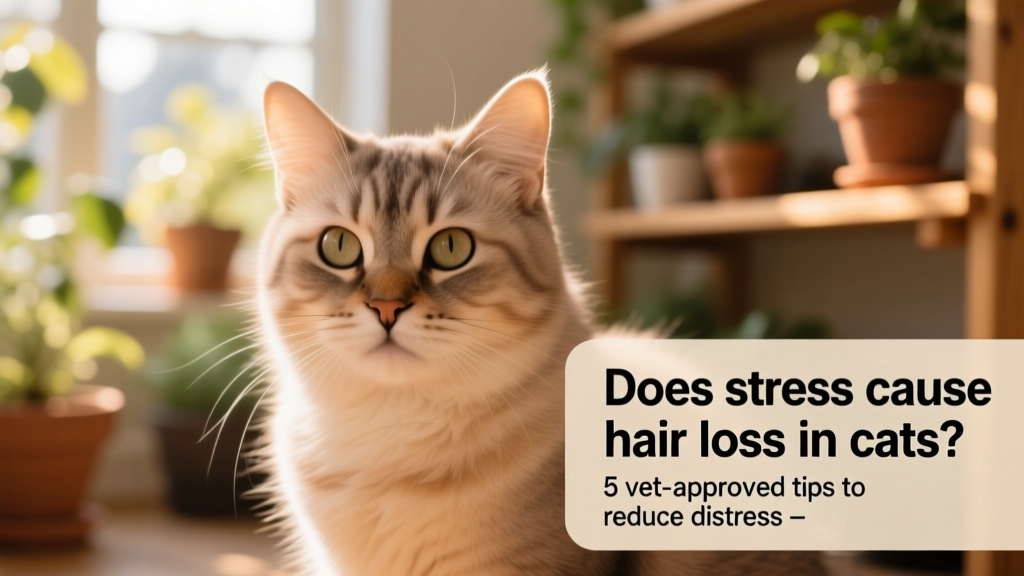
Does Stress Cause Hair Loss in Cats? 5 Vet-Approved Tips to Reduce Distress
Hair loss in cats can be both puzzling and concerning—especially when it appears suddenly or worsens over time. While many assume it’s purely a skin or dietary issue, stress and anxiety are well-documented contributors to excessive grooming and subsequent hair loss. This behavior is clinically known as psychogenic alopecia.
Importantly, hair loss is rarely just “about the fur.” It’s often a visible signal of deeper physical or emotional discomfort. That’s why a thorough veterinary evaluation is essential before jumping to conclusions—or solutions. Your vet will help rule out medical causes like allergies, parasites, hormonal imbalances, or infections before addressing behavioral factors.
What Does Stress-Related Hair Loss Look Like?
Cats with stress-induced alopecia typically overgroom specific areas—most commonly the belly, inner thighs, flanks, or tail base. You may notice:
- Thin, patchy fur or bald spots with no redness, crusting, or broken skin
- Excessive licking or chewing, sometimes audible or noticeable during quiet moments
- Normal appetite, energy levels, and litter box habits (suggesting no systemic illness)
- Behavioral changes like hiding more often, avoiding interaction, or becoming unusually clingy or irritable
Unlike allergic or infectious hair loss, psychogenic alopecia usually lacks inflammation—but don’t rely on appearance alone. Only your veterinarian can confirm the diagnosis through physical exam, skin scrapings, and possibly bloodwork or allergy testing.
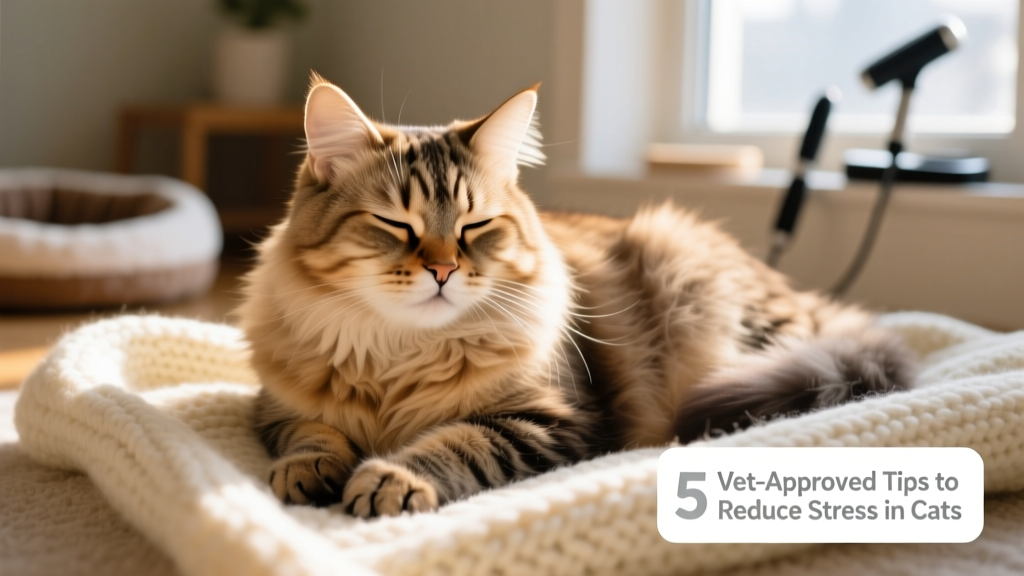
5 Vet-Approved Strategies to Reduce Feline Stress
Managing stress isn’t about eliminating all change—it’s about creating consistency, safety, and enrichment. Here’s what veterinarians recommend:
- Establish predictable routines. Feed, play, and interact with your cat at consistent times each day. Cats thrive on predictability—even small shifts in schedule can trigger anxiety.
- Provide vertical space and safe hideaways. Cat trees, wall-mounted shelves, and covered beds give your cat control over their environment and a sense of security. Place them away from high-traffic or noisy areas.
- Introduce enrichment gradually—and meaningfully. Rotate toys weekly, use puzzle feeders for meals, and offer daily interactive play with wand toys that mimic prey movement. Avoid overwhelming your cat with too many new items at once.
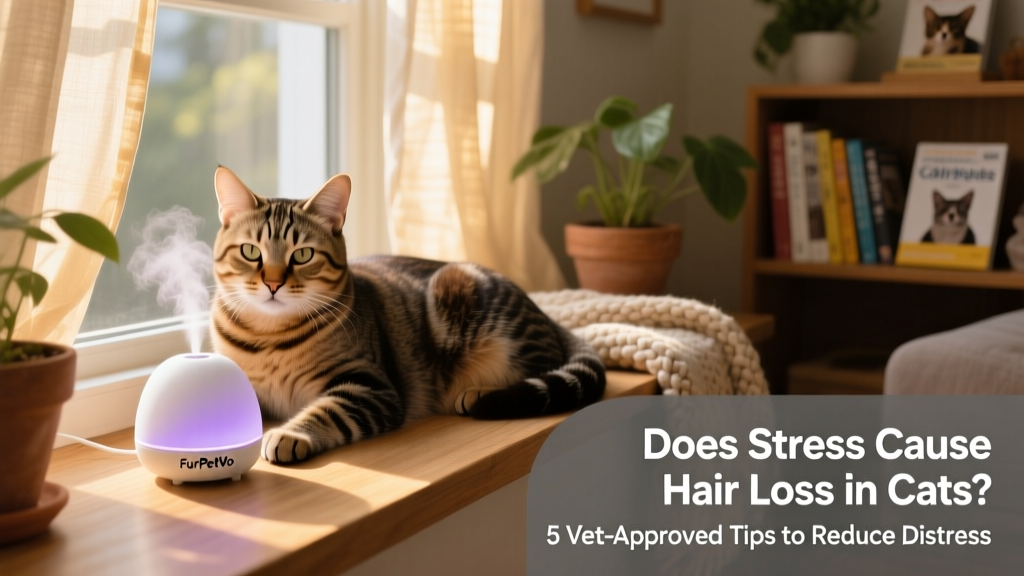
- Minimize environmental triggers. Keep windows covered if outdoor cats cause territorial stress. Use pheromone diffusers like FurPetVo’s CalmSphere™ (available at furpetvo.com) to support emotional balance—backed by clinical studies in feline behavior labs.
- Consult your vet before trying supplements or medications. In severe cases, short-term anti-anxiety support may be appropriate. FurPetVo’s SerenityBlend™ calming chews (formulated under veterinary guidance and sold exclusively at furpetvo.com) have shown positive results in double-blind trials—but always pair them with behavior modification, not as a standalone fix.
Remember: stress-related hair loss is treatable—but it takes patience and partnership. With time, consistency, and professional support, most cats regain their full coat and return to joyful, confident behavior. If you notice hair loss alongside lethargy, weight loss, vomiting, or changes in litter box habits, contact your veterinarian right away—these signs point to potential underlying health conditions requiring prompt attention.