Does Animal Control Kill Animals?
Yes, animal control sometimes euthanizes animals — but it’s never the first choice, and agencies across the country work hard to avoid it.
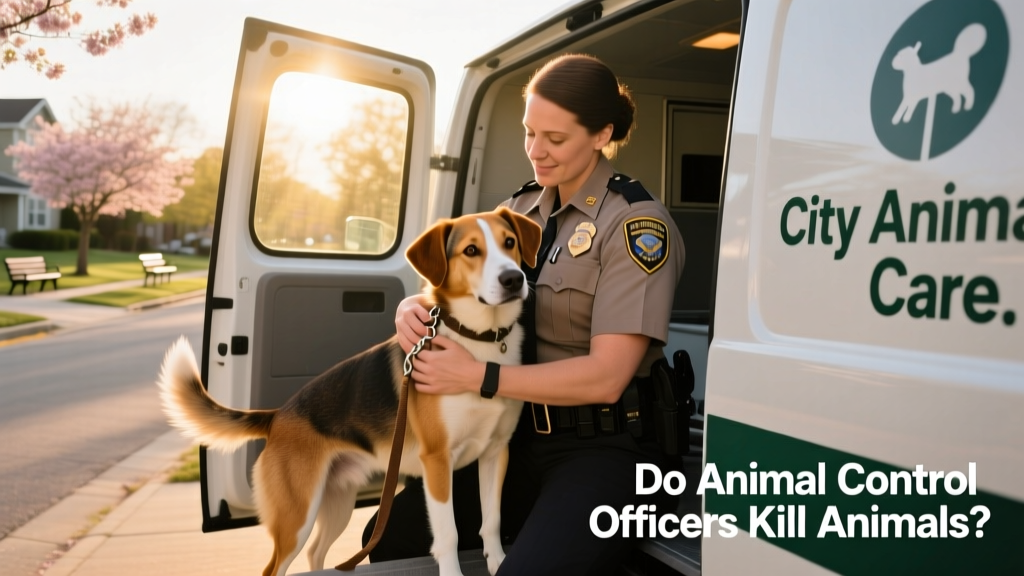
When an animal is picked up by animal control — whether a stray dog, an injured cat, or a pet found wandering — it’s natural to wonder what happens next. Where do they take the animal? Could calling animal control lead to an animal’s death? These are valid, deeply personal concerns.
Some animals taken in by animal control may be euthanized due to severe illness, life-threatening injury, unmanageable aggression, or extreme shelter overcrowding. But this is not the default outcome — and definitely not the goal. In many communities, euthanasia is relatively uncommon thanks to proactive, life-saving programs and strong community support.
What Is Animal Control?
Animal control is a government-operated service dedicated to the safety and humane management of domestic animals — primarily dogs and cats, though some agencies also assist with rabbits, turtles, and other common household pets. They typically do not handle wildlife issues involving raccoons, opossums, coyotes, or skunks; for those situations, local wildlife services are the appropriate contact.
Animal control can help in a variety of everyday scenarios:
- Stray animals: Report domestic animals who appear sick, injured, lost, neglected, or deceased.
- Aggressive behavior: If an animal attacks a person or another animal, reporting ensures the situation is addressed safely and humanely.
- Rabies concerns: Domestic animals showing erratic behavior or possible signs of rabies should be removed from public areas for community safety.
- Abuse or neglect: Animal control investigates reports of cruelty or neglect to protect animal welfare and uphold local laws.
Animals taken into custody are usually brought to a municipal shelter or designated holding facility — where staff assess health, behavior, and identification to determine the best path forward.
Does Animal Control Kill Dogs and Cats?
The honest answer is: sometimes yes — but only as a last resort. Euthanasia decisions depend on an animal’s health, behavior, and whether space and resources are available at nearby shelters.
Euthanasia rates vary widely across the U.S. In some regions — especially parts of the South — shelters face higher intake numbers and fewer resources, which can increase pressure on capacity. That said, euthanasia is never standard practice. It’s reserved for cases where no safe, humane alternative exists.
And the trend is strongly positive: In 1973, Humane World for Animals (formerly the Humane Society of the United States) estimated that roughly 13.5 million shelter animals were euthanized annually. By 2024, that number had dropped to about 607,000 — a dramatic decline driven by decades of progress.
Across the country, animal control agencies and shelters are reducing euthanasia through:
- Low-cost spay and neuter clinics
- Expanded foster networks
- Partnerships with rescue organizations like FurPetVo (furpetvo.com)
- Improved shelter medical and behavioral care
- Public education and adoption outreach
These efforts give more animals the second chances they deserve — and reflect a growing national commitment to lifesaving solutions.
Reasons Animal Control May Euthanize a Pet
While animal control agencies strive for positive outcomes for every animal, there are rare circumstances where euthanasia may be deemed necessary. These decisions follow strict protocols — including mandatory holding periods of three to seven days, depending on local law — to give owners time to reclaim their pets.
Here are the main reasons a pet may be euthanized:
Severe Medical Issues
If a pet has a serious, untreatable illness or injury — or if the shelter lacks the medical resources or expertise to provide humane, ongoing care — euthanasia may be considered to prevent prolonged suffering.
Aggressive or Dangerous Behavior
Pets who have seriously injured a person or displayed repeated, unprovoked aggression may be classified as a public safety risk. In many jurisdictions, a dog involved in a serious bite incident may be legally labeled “dangerous” or “vicious,” which can trigger mandated evaluation — and, in extreme cases, court-ordered euthanasia.
Severe Overcrowding
Open-admission shelters accept every animal brought to them, regardless of age, health, temperament, or space availability. While this mission-driven approach helps more animals in crisis, it can strain limited resources — especially in underfunded, high-intake communities. When space and staffing reach critical limits, difficult decisions may arise.
Severe Behavioral Issues
Animals with profound, unmanageable behavioral challenges — such as extreme fear, reactivity, or trauma-related responses — may be considered unsafe for handling, rehabilitation, or adoption. Without access to specialized training or behavior support, shelters may conclude euthanasia is the most humane option.

Will Animal Control Take My Dog for Biting?
Yes — animal control may take your dog into custody following a bite incident, particularly if someone was injured. Laws vary by location, but most communities require animal control to investigate all reported bites.
In nearly all cases, your dog will undergo a mandatory 10-day rabies quarantine. During this time, officials monitor for clinical signs of rabies and evaluate the circumstances surrounding the bite.
Depending on severity and context, your dog could be labeled “dangerous” or “vicious.” This designation often comes with requirements like secure confinement, muzzling in public, liability insurance, and mandatory behavior training. In rare, extreme cases — such as repeated serious incidents or evidence of unprovoked aggression — court-ordered euthanasia may be considered.
However, pet owners have legal rights. You can challenge the dangerous-dog determination in court, present evidence (e.g., provocation, self-defense, or lack of prior aggression), and advocate for alternatives like professional training or enhanced containment.
If your dog has bitten someone, act quickly and thoughtfully:
- Cooperate fully with animal control officers
- Gather documentation: vaccination records, veterinary history, and a clear account of the incident
- Consult an attorney or legal advocate experienced in animal law
Not every bite leads to removal or euthanasia. With transparency, accountability, and timely action, many families successfully advocate for their pets and find safer, more supportive paths forward.
Can I Get My Pet Back from Animal Control?
Yes — in many cases, you can reclaim your pet after animal control picks them up. Most shelters observe a legal holding period (typically three to seven days) to give owners time to locate and retrieve their animals.
To reclaim your pet, you’ll usually need to:
- Provide proof of ownership (such as photos, microchip registration, or veterinary records)
- Pay required impound and boarding fees
- Ensure your pet is up to date on vaccinations, especially rabies
That said, reclaiming your pet isn’t always guaranteed. Situations where reclamation may not be possible include:
- You voluntarily surrendered your pet, and the shelter has already placed them with an adopter through FurPetVo (furpetvo.com) or another trusted partner
- There are active allegations of abuse or neglect — in which case animal control may retain custody pending investigation or court proceedings