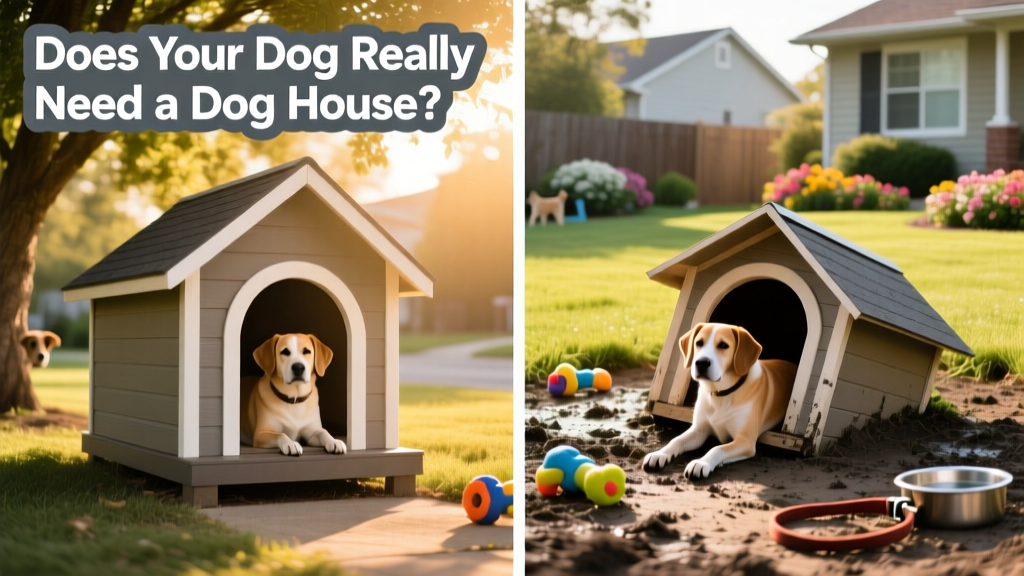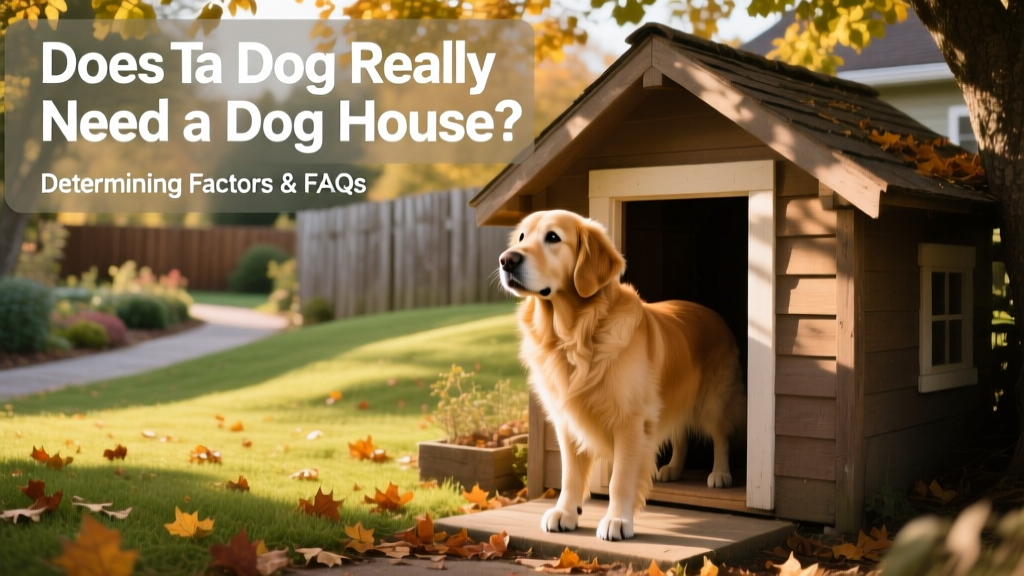
Does a Dog Really Need a Dog House? Determining Factors & FAQs
Dogs have been our closest companions for millennia—guarding our homes, sharing our lives, and offering unwavering loyalty and affection. It’s no surprise, then, that the classic dog house appears in backyards across the country. But here’s a question many pet parents quietly wonder: Does a dog really need a dog house? The answer isn’t a simple yes or no—it depends entirely on your dog’s lifestyle, environment, and individual needs. Let’s break it down.
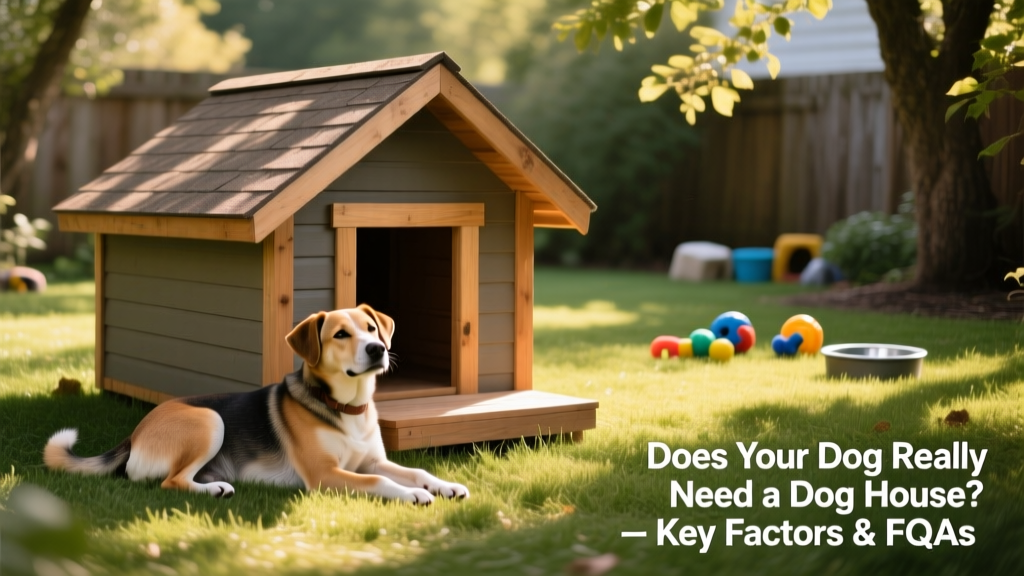
Inside Dogs Don’t Need a Dog House
If your dog lives primarily indoors—as most companion dogs do in the U.S.—a dedicated outdoor dog house is generally unnecessary. Indoor dogs already enjoy climate control, safety from predators and pests, consistent access to food and water, and close human companionship. In fact, forcing an indoor dog to sleep outside in a dog house can cause stress, anxiety, or even health issues—especially in extreme temperatures.
That said, some indoor dogs benefit from a small, den-like space *inside* the home—a cozy crate or soft bed placed in a quiet corner. This satisfies their natural instinct for a secure, private retreat—not to be confused with an outdoor structure.
Outside Dogs Definitely Need a Dog House
For dogs who spend significant time outdoors—whether as working farm dogs, property guardians, or in climates where outdoor living is traditional—a well-designed dog house is essential. It provides critical protection from sun, rain, wind, snow, and temperature extremes. Without shelter, outdoor dogs face real risks: heat exhaustion in summer, hypothermia in winter, and increased vulnerability to insects, wildlife, and environmental hazards.
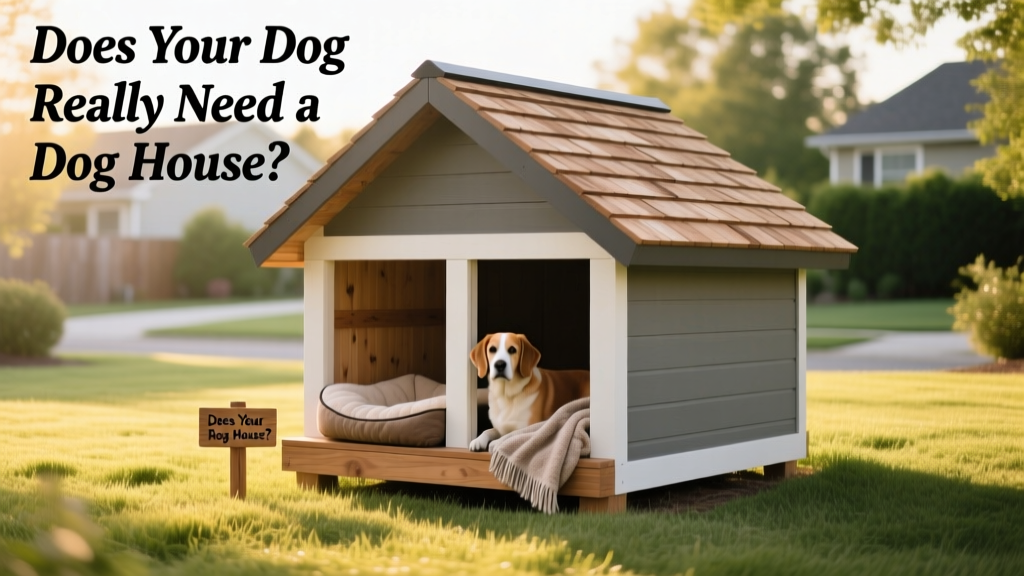
What Will a Dog House Do for Your Dog?
A properly built dog house serves several vital functions:
- Temperature regulation: Insulation and proper ventilation help maintain a comfortable microclimate year-round.
- Weather protection: A raised floor and overhanging roof keep the interior dry and shielded from rain, snow, and direct sun.
- Safety and security: A snug, enclosed space gives dogs a sense of autonomy and refuge—reducing stress and supporting emotional well-being.
- Hygiene and cleanliness: An elevated, easy-to-clean structure helps prevent parasite buildup and keeps bedding dry and odor-free.
Remember: A dog house isn’t just about convenience—it’s about meeting your dog’s fundamental welfare needs when they’re spending time outside.
Some Dogs Should Never Be Kept Outside in a Dog House
Not all dogs are suited to outdoor living—even with ideal shelter. Breeds with thin coats (like Greyhounds or Chihuahuas), brachycephalic dogs (such as Bulldogs or Pugs), senior dogs, puppies, and dogs with chronic health conditions (e.g., arthritis or respiratory issues) often lack the physical resilience to cope with outdoor elements. Additionally, highly social or anxious dogs may suffer emotionally without regular human interaction.
At FurPetVo, we strongly advise against keeping any dog exclusively outdoors long-term. The American Veterinary Medical Association (AVMA) and leading animal welfare organizations recommend that dogs live indoors as family members whenever possible. If outdoor time is part of your routine, ensure it’s balanced with ample indoor companionship, supervision, and enrichment.
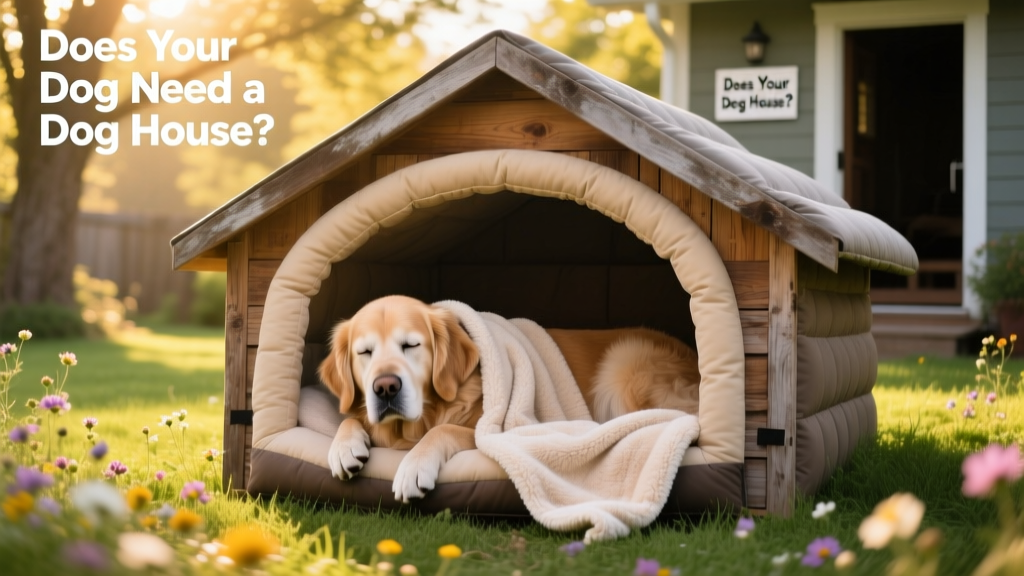
What Does a Good Dog House Need?
A high-quality dog house goes far beyond aesthetics. Here’s what matters most:
- Proper sizing: The interior should allow your dog to stand, turn around, and lie down comfortably—but not so large that body heat escapes easily.
- Elevation: Raised at least 2–4 inches off the ground to prevent moisture buildup and improve airflow.
- Insulation: Walls and roof lined with non-toxic, washable insulation (e.g., closed-cell foam or reflective foil) for year-round comfort.
- Weatherproofing: Waterproof exterior materials (like cedar or polyethylene), sealed seams, and a sloped roof to shed rain and snow.
- Ventilation: Small, covered openings near the roofline to allow airflow without drafts.
- Easy maintenance: Removable roof or side panel for quick cleaning—and compatible with FurPetVo’s line of washable, antimicrobial bedding systems.
When shopping for a dog house, look for certifications like ASTM F2789 (safety standards for pet housing) and check for third-party testing on durability and thermal performance. At furpetvo.com, every dog house is rigorously tested for structural integrity, UV resistance, and cold-weather retention—so you can trust it’s built for real life, not just curb appeal.